
Last updated November 25, 2026
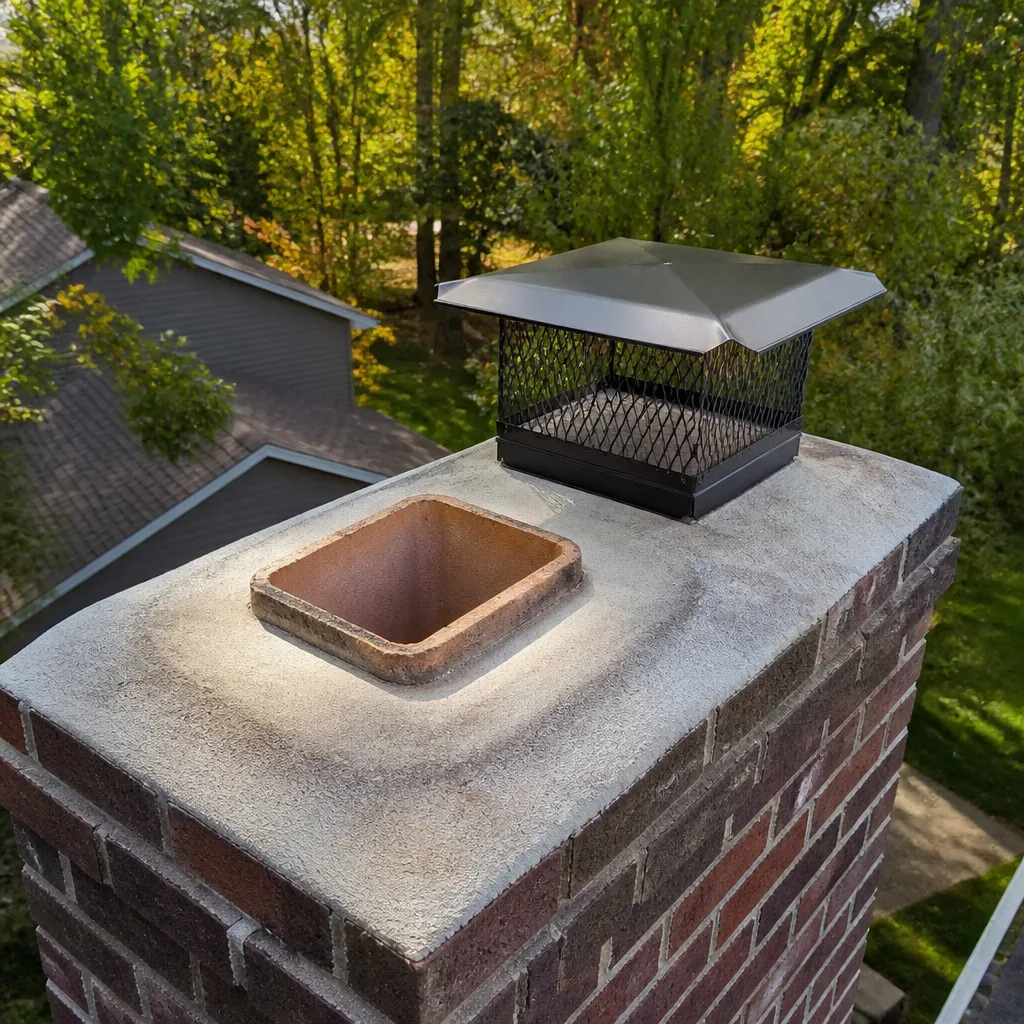 Sweep & inspection
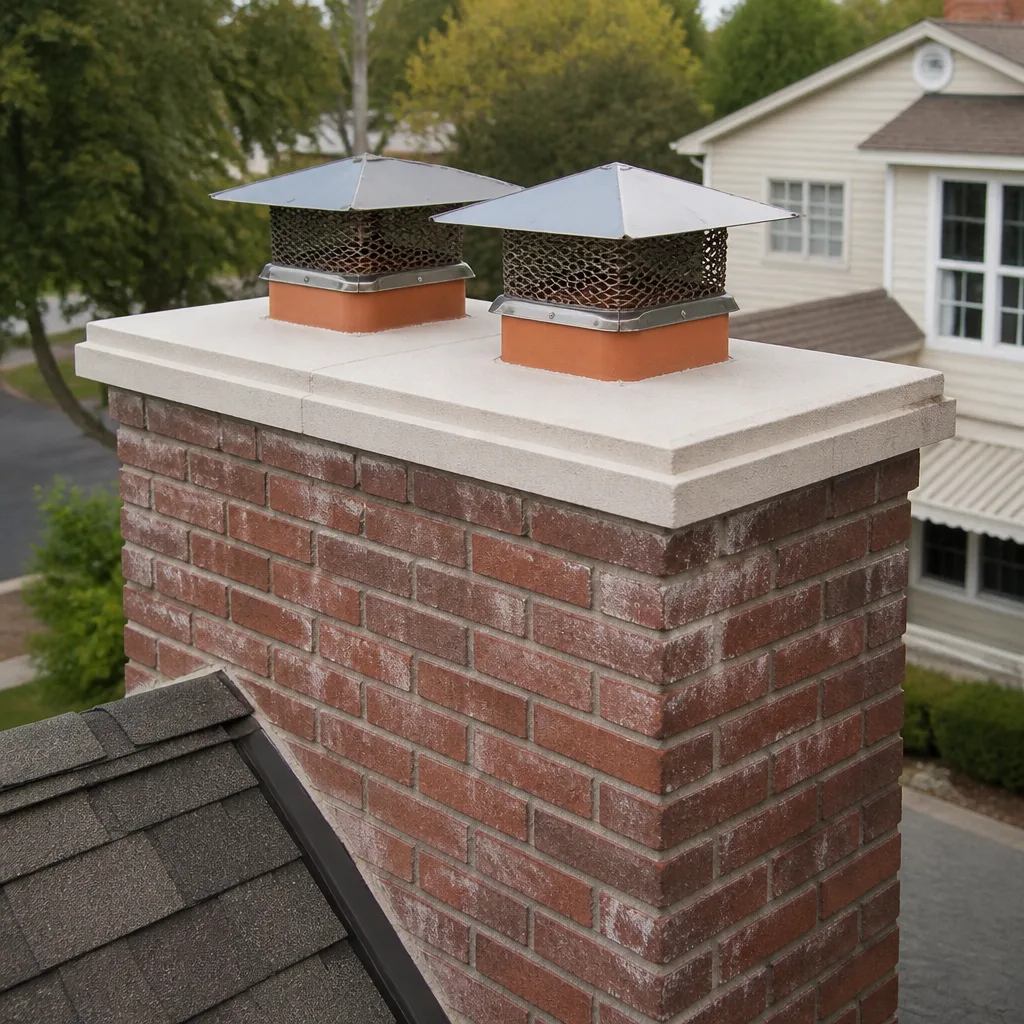 Caps & crowns
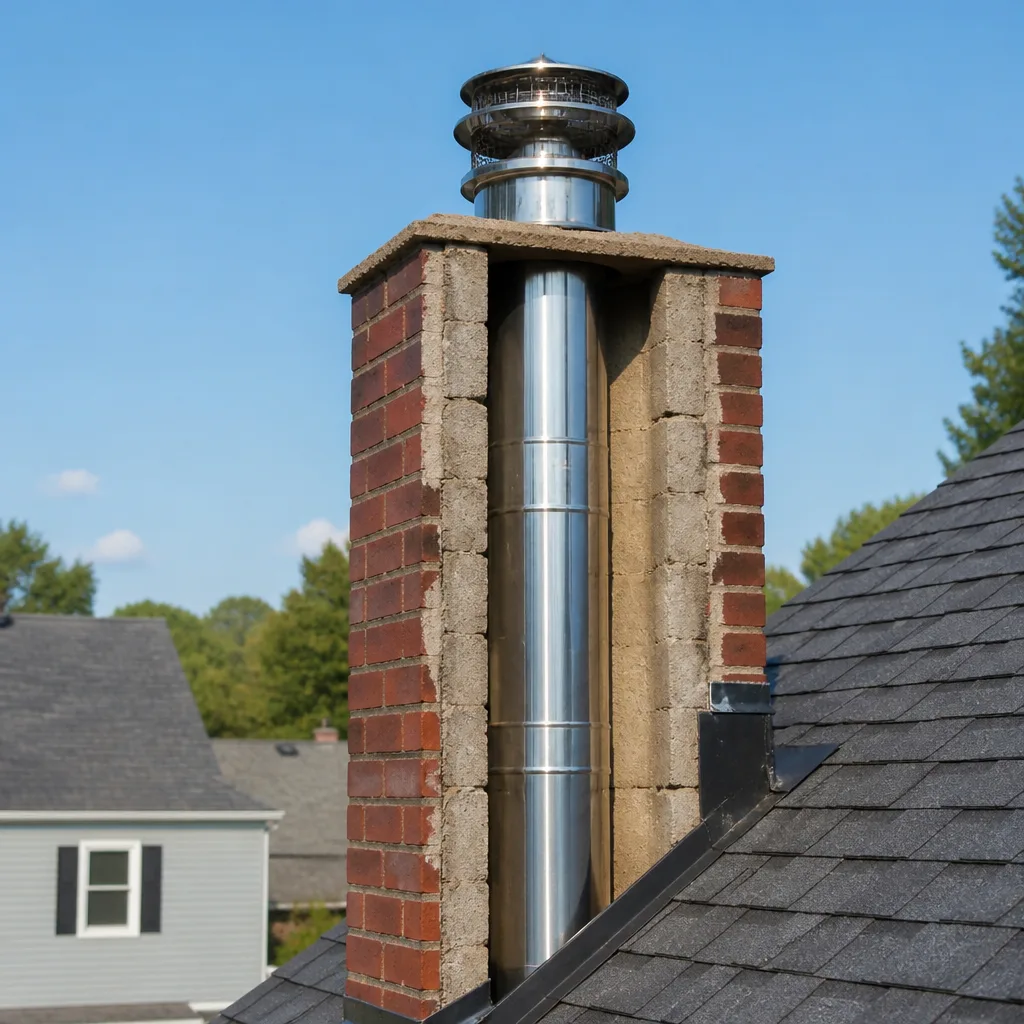 Flue relining
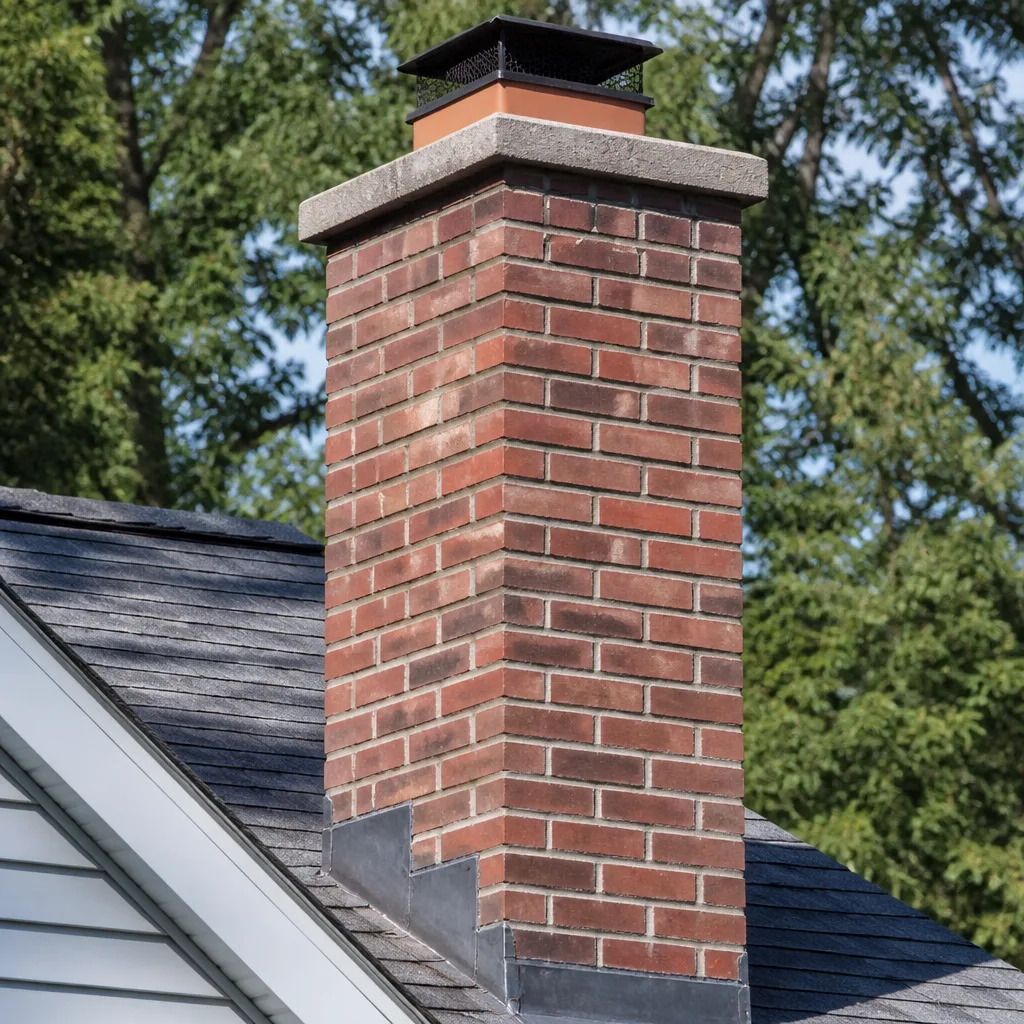 Masonry repair
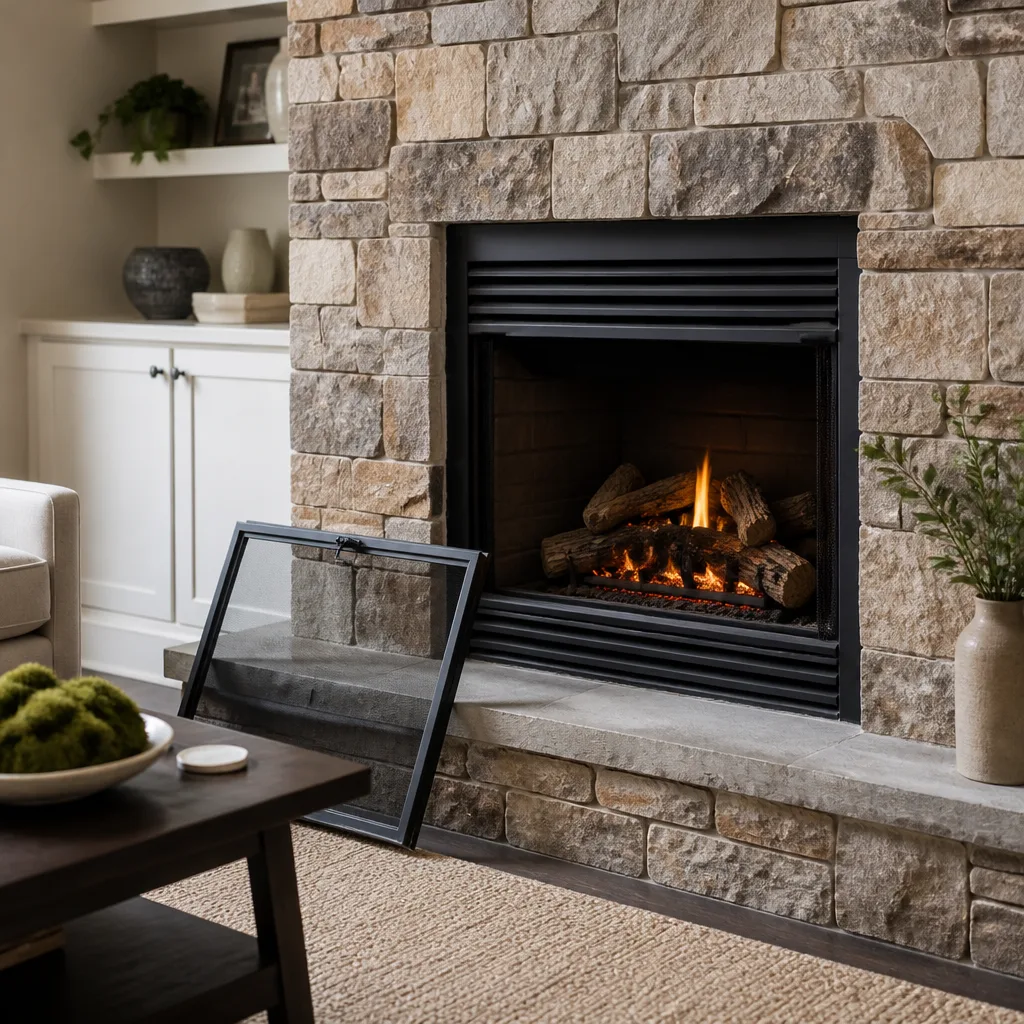 Gas fireplace service
Level 1 sweep and inspection to the NFPA 211 annual standard - flue, crown, cap, and flashing checked and photographed
Chimney sweep logs do not sweep chimneys. They loosen some creosote - which then falls where a brush and vacuum still have to collect it.
The Complete Guide to Chimney Cleaning in South Beach
Most chimney fires don’t start because a homeowner skipped a cleaning. They start because the cleaning never reached the layer where the problem was forming. A flue can look spotless at the firebox and still hide a cracked crown, a crumbling smoke chamber, or a glazed liner that routine brushing slides right past. Chimneys are assemblies, not single pipes, and in South Beach the local building stock and damp winters put each layer under different strain. This guide breaks the system into its five zones, explains how creosote moves through its stages, and shows what a real cleaning should cover from firebox to cap. You’ll finish knowing exactly what to ask for and when to call.
Quick Answer
Chimney cleaning in South Beach is a full-system service, not a single brush pass. A thorough cleaning removes creosote and soot from the firebox through the flue, then follows with a visual check of the smoke chamber, liner, crown, and cap. Most homes that burn regularly need it once a year, and homes with heavy use or older masonry benefit from an inspection before the first burn of the season.
Styles & brands we work with
- Sweep & inspection
- Caps & crowns
- Flue relining
- Masonry repair
- Gas fireplace service
Table of Contents
- The five zones of a chimney system
- How creosote forms and why its stage matters
- Why South Beach chimneys age differently than inland ones
- Level 1, Level 2, and Level 3 inspections explained
- What chimney cleaning costs in South Beach
- Why name-brand liner materials matter when repairs follow a cleaning
- What a thorough cleaning actually involves
- How often to schedule a cleaning
The five zones of a chimney system
Treat a chimney as five connected layers, each with its own failure mode. A cleaning that only touches one of them leaves the rest to fail quietly. Here’s what each zone does and what a complete service should address.
- Firebox. The combustion chamber where creosote glazes onto the walls and soot settles into the joints. Cleaning here means scraping and brushing the masonry surfaces and clearing ash from the smoke shelf behind the damper.
- Smoke chamber. The tapered space above the damper where gases slow and swirl. It’s where a lot of creosote collects and where most sweeps spend the least time. A proper cleaning brushes the chamber walls and checks the corbel for gaps.
- Flue liner. The clay tile or stainless liner that carries exhaust out. Cleaning means the flue brush passes the full length, and the liner gets inspected for cracks, gaps, and spalling.
- Crown. The concrete cap at the top of the masonry that sheds water. Cracks here let water into the chimney structure, and South Beach’s wet winters turn small cracks into bigger ones. Cleaning visits include a crown check.
- Chimney cap. The metal or masonry cover that keeps rain, birds, and debris out of the flue. A missing or damaged cap shortens liner life and is easy to catch during a sweep.
When we clean a chimney in South Beach, we work top-down so the cap, crown, and upper liner are checked before the brush ever reaches the firebox. Any debris from the upper zones is captured with drop cloths and a vacuum before we move down. If you want a sense of what the visit looks like as a standalone job, see our chimney sweep page.
How creosote forms and why its stage matters
Creosote is the residue of incomplete combustion, and it doesn’t arrive all at once. It builds in three recognizable stages, and the stage determines how the cleaning has to happen.
- First-degree creosote. A light, flaky soot that brushes off easily. This is what most annual cleanings deal with, and it’s the least dangerous.
- Second-degree creosote. A tar-like coating that clings to the liner and needs scraping or a rotary brush to remove. It signals a combustion problem worth investigating.
- Third-degree creosote. Glazed, hardened, fuel-rich deposits that can’t be brushed off. They’re the most combustible and require chemical treatment to break down before any brushing happens.
A sweep that goes straight to the brush on a third-degree liner doesn’t fix the problem; it polishes the glaze. In our experience, glazed creosote is often a sign of a draft issue, wet wood, or a cold flue that never fully heats. That’s why a good cleaning includes a conversation about how you’re burning, not just a brush pass.
Wood that’s been properly seasoned and a flue that’s warmed before each fire are the two biggest levers. If a third-degree deposit turns up, we treat it before we clean it, then recommend a liner check to confirm the heat hasn’t already damaged the flue.
Why South Beach chimneys age differently than inland ones
South Beach chimneys face a different set of stresses than the same house would interior upstate. The dominant one is moisture cycling. Winters here are damp and the freeze-thaw pattern is shallower but more frequent than in colder inland zones – which is harder on mortar joints and crowns than a single deep freeze.
What that means practically:
- Mortar joints soften faster. Repeated wetting and drying works on the lime in the mortar, and joints that look sound in the fall can be porous by spring. Cleaning season is when we catch it.
- Crowns crack sooner. The crown is a flat concrete surface exposed to rainwater and temperature swings; it’s the first thing we check for spider cracks and spalling.
- Liners spall. Clay tile liners absorb moisture and then flake. That spalling gets caught by the brush and shows up in the vacuum, which is one of the reasons liner inspection belongs to the cleaning visit.
- Interior dampness from the inside out. Fireplaces in unheated South Beach houses that sit empty in summer pull moisture up through the chimney, and a closed damper and a missing cap accelerate it.
Inland homes face similar problems, but the South Beach cycle is more humid, so the timeline compresses. Where an inland chimney might go two or three years between significant crown repairs, we see crowns in South Beach needing attention sooner. That doesn’t mean yearly rebuilding; it means treating cleaning as a yearly inspection of the whole assembly, and fixing small cracks while they’re still small.
Level 1, Level 2, and Level 3 inspections explained
Not every cleaning needs the same depth of inspection, and knowing which level applies helps you talk to any provider. The CSIA defines three levels, and they exist for different situations.
- Level 1. A visual inspection of accessible chimney components, done as part of routine cleaning and annual maintenance. It covers the firebox, damper, accessible flue from the firebox side, and visible exterior components.
- Level 2. A more thorough inspection that includes a camera scan of the flue interior. It’s the standard for real estate transactions, after a chimney fire or seismic event, and when a change in the system has taken place (new appliance, relining, or a home sale).
- Level 3. The most detailed level, used when a problem has been identified and the inspector needs to access concealed areas, sometimes with removal of parts of the chimney. It’s not routine; it’s diagnostic.
In South Beach, we see the Level 2 requirement most often around property sales. Buyers and sellers need documentation the insurer and lender will accept, and a written report with photos is the deliverable that clears that hurdle. Homes with a fireplace that’s been unused for several seasons are another common Level 2 case, because a flue that hasn’t been tested is a question mark.
If you want end-to-end chimney inspection as a standalone service, we offer that alongside cleaning. From inspection to repair, we handle it in-house, which matters when the inspector who finds a cracked liner is the same team that can reline it.
What chimney cleaning costs in South Beach
Cleaning prices in South Beach track with the local market and with the complexity of the system, not with a flat national rate. A straightforward single-flue gas or masonry fireplace sits at the low end. A home with a glazed liner, a complex smoke chamber, or an inaccessible cap runs higher.
| Service | Typical Estimated Range |
|---|---|
| Standard chimney sweep (single flue) | $180 – $340 |
| Sweep with Level 2 inspection | $290 – $520 |
| Glazed creosote treatment before sweeping | $250 – $600 (varies by severity) |
| Chimney cap and crown repair | Quoted after inspection |
| Liner relining or restoration (HeatShield, DuraFlex) | Quoted after inspection |
These are estimates, and the written estimate is what sets the final price. Nobody should be quoting a liner replacement over the phone without a camera look, and we don’t. Repair work is quoted after the cleaning and inspection findings are in hand, so you see the condition before you commit to a number.
Two things to check when comparing quotes. First, whether the price includes the inspection and a written report – a cheap sweep that skips the camera may cost more later. Second, whether the provider is licensed and insured as the state requires, which protects you if anything goes wrong inside the house. Call (833) 508-9938 for an exact quote; estimates are free.
Why name-brand liner materials matter when repairs follow a cleaning
Cleaning is the entry point; the repair that follows is where material quality determines how long the fix lasts. When a cleaning turns up a damaged liner or crown, the material specified in the estimate matters as much as the labor.
We work with professional-grade chimney brands because generic materials have no verifiable track record. HeatShield is a cast-in-place liner restoration system that addresses damaged flue interiors without tearing out the chimney, which makes it a less invasive path when the tiles are cracked but the structure is sound. DuraFlex is a flexible stainless-steel liner system used for relining when the existing flue needs a full replacement, and it goes in without full demolition. Both are the kind of materials that come with traceable specifications, not nameless parts.
How to verify your contractor uses them:
- Ask for the brand and product name in the written estimate, not just “new liner.”
- Ask whether the manufacturer’s installation instructions will be followed and whether the product carries a warranty that transfers.
- Ask to see the product spec sheet or packaging before installation.
- Ask what surface preparation the system requires, and whether the existing flue gets cleaned and checked before the new liner goes in.
The right product for the right repair is the standard. A heat-damaged tile that can be restored with HeatShield is a different job from a flue that needs a DuraFlex reline, and the estimate should say which one and why. If you want cap and crown work included in the same visit, our chimney cap & crown page covers that scope.
What a thorough cleaning actually involves
A real cleaning is a sequence, not a single sweep. Here’s the order we work in, and what to expect at each step.
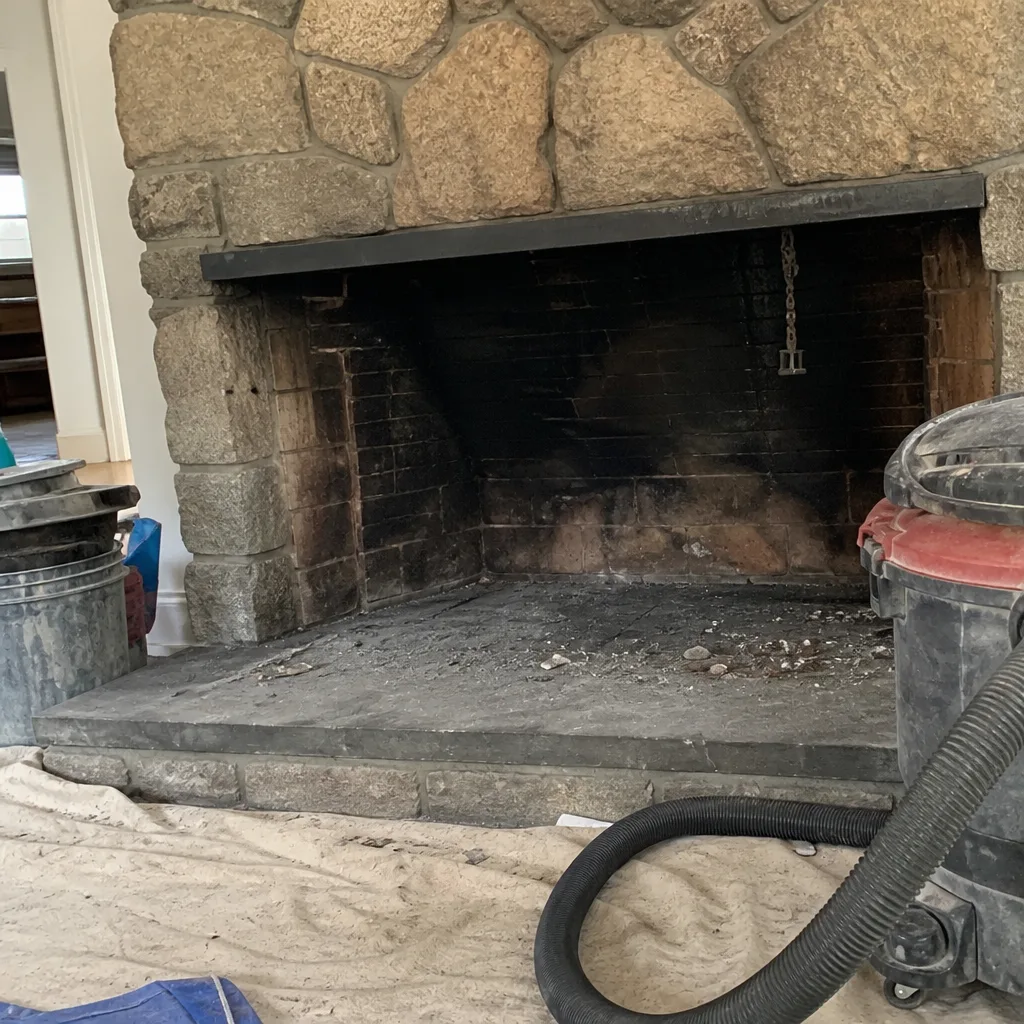
- Protect the room. Drop cloths on the hearth and floor, a vacuum running to capture dust, and a sealed opening so the house stays clean.
- Inspect from the top down. Cap, crown, and upper flue get checked before the brush goes in, so nothing is missed and any loose debris is contained.
- Clear the smoke chamber. Brush and scrape the tapered chamber and the smoke shelf behind the damper, where creosote collects most heavily.
- Sweep the flue. The brush runs the full length of the liner, top to bottom, with the soot captured at the base.
- Clean the firebox. Scrape glazed deposits, clear ash, and check the damper operation.
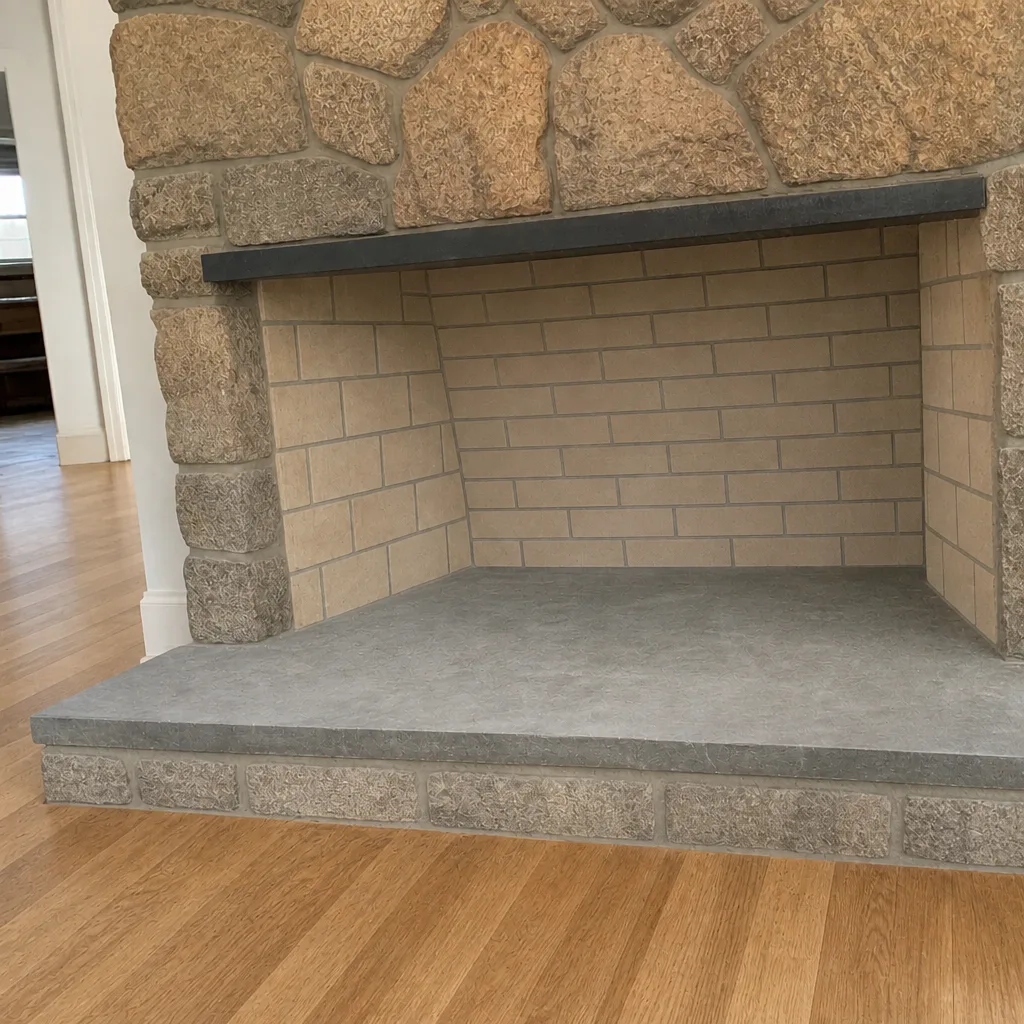
- Report findings. Photos of anything that needs attention, with a written explanation and a repair estimate if needed.
This is the process that catches what a surface sweep misses. A camera inspection of the flue is part of the Level 2 work, and it’s how we confirm whether what we brushed off the liner is surface soot or spalled tile.
Fireplace repair often follows a cleaning when the damper, firebox brick, or hearth shows wear. That’s a separate scope from the sweep itself, and we handle it because the same team that finds the problem can fix it.
How often to schedule a cleaning
The general rule is once a year for a home that uses its fireplace regularly. In South Beach, the timetable deserves a little more attention because the damp cycle shortens the lifespan of mortar and crowns.
- Heavy use. A home that burns several times a week through the winter should be cleaned once a year, and inspected for liner wear at the same time.
- Light use. A few fires a season still warrants a yearly check, because creosote can build over two seasons without anyone noticing.
- Unused fireplace. A Level 2 inspection before the first burn makes sense if the chimney hasn’t been used in a couple of years. The flue could be blocked by a bird’s nest or a fallen tile.
- After a chimney fire. Any suspected fire event warrants a Level 2 inspection, even if the fire seemed minor.
Before the first cold snap is the practical window. Scheduling in the warmer months means the crew isn’t squeezed, and any repairs that turn up are completed before the season starts. In our experience the South Beach rush hits when the weather turns, so early scheduling pays off.
Common Mistakes to Avoid
- Assuming a sweep is a full inspection. Many crews brush the flue and leave; a full service checks the smoke chamber, crown, and cap as well. In South Beach, crown damage is common enough that skipping it means missing the actual problem.
- Ignoring the cap because the chimney looks fine from outside. A missing or damaged cap lets rain into the flue, and on this stretch of the NY coast the rainy season makes that a liner issue quickly.
- Burning unseasoned wood to “get the chimney hot.” Wet wood produces more creosote, and the flue runs cooler than it should. Seasoned wood and a warm flue are what keep deposits in the first stage.
- Treating glazed creosote with a brush. Third-degree deposits need chemical treatment first. A sweep that goes straight to the brush isn’t fixing it.
- Signing off on a liner replacement without seeing the camera footage. Ask to see the inspection record. Nobody should be recommending a several-thousand-dollar reline with no visual evidence you can look at.
- Putting off repairs because the sweep “passed.” A cleaning can confirm the flue is clear and still flag a crown crack that has nothing to do with cleaning. Fixing small things in the off-season costs less than emergency winter work.
- Hiring a provider who can only clean, not repair. Inspections are worth more when the team that finds the issue can fix it, without a handoff to a second company.
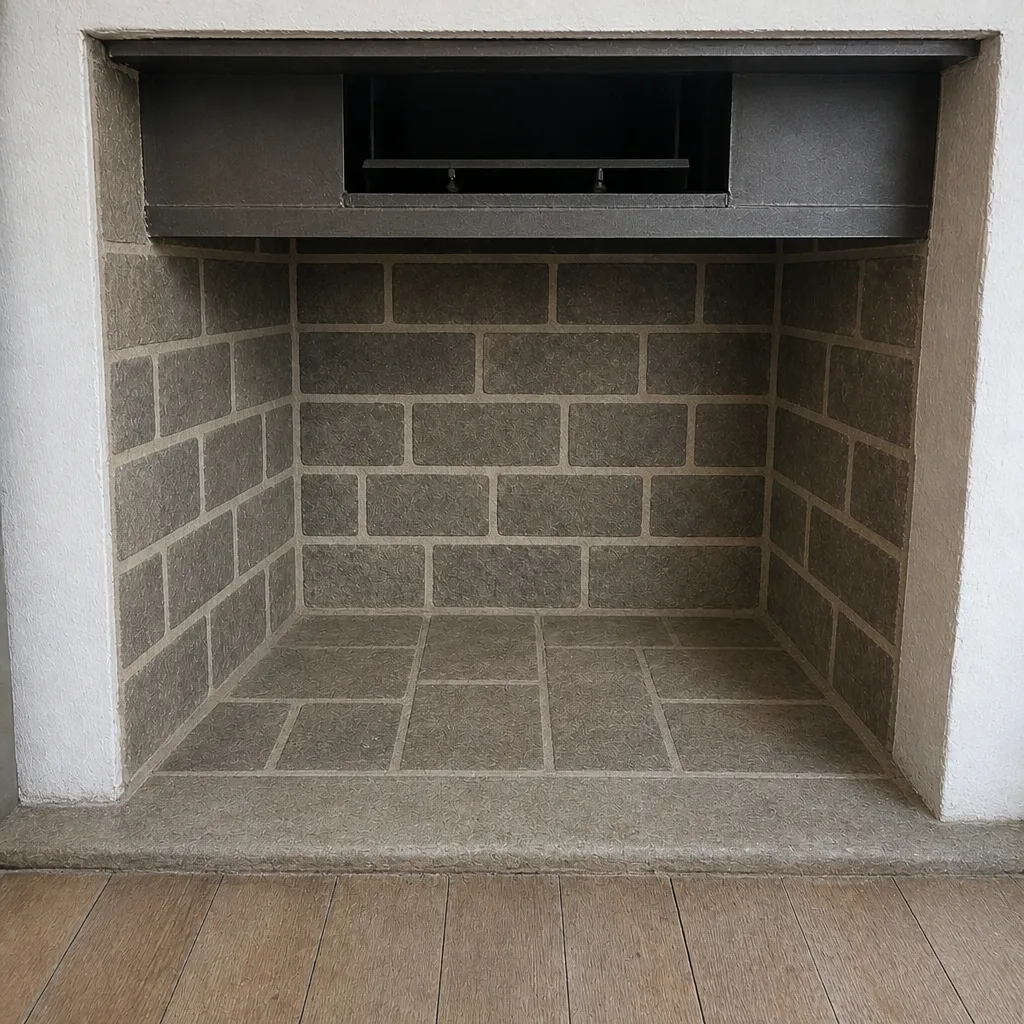
See the difference
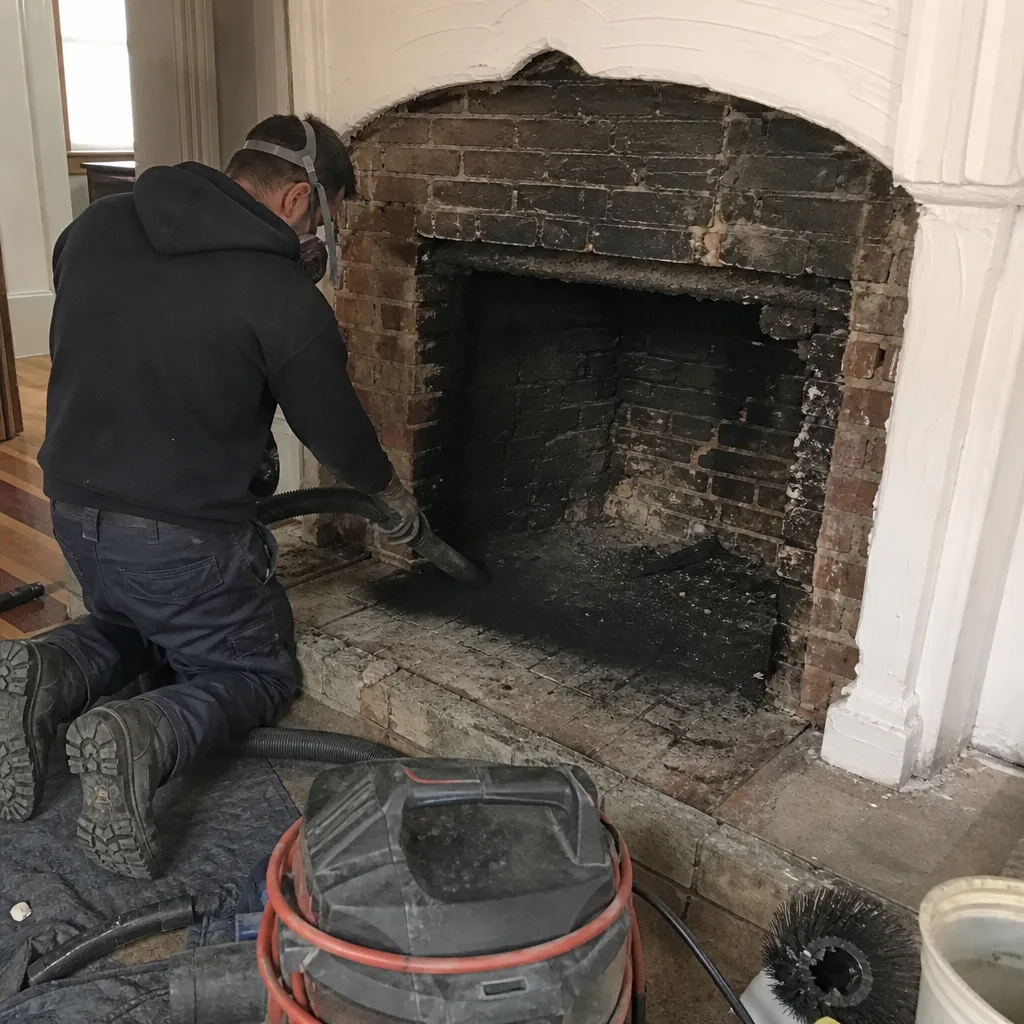 Before
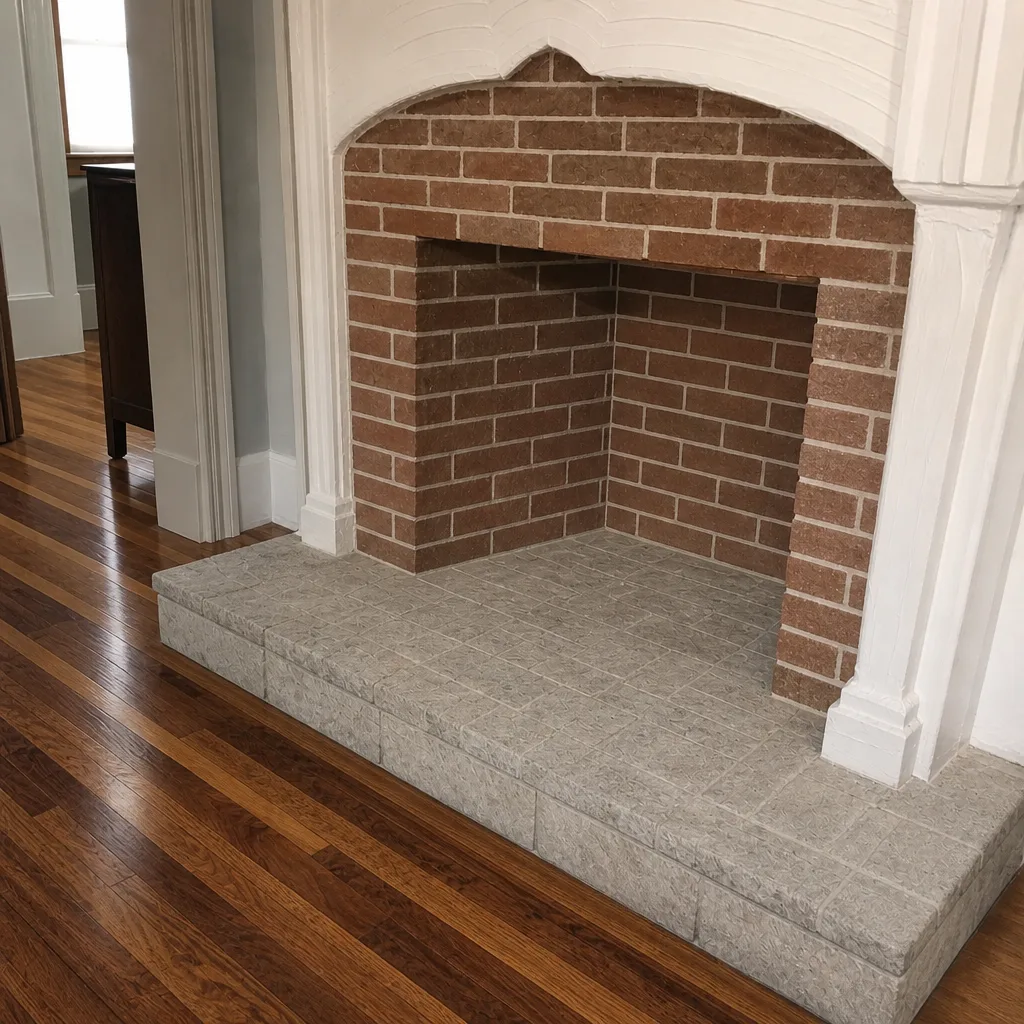 After
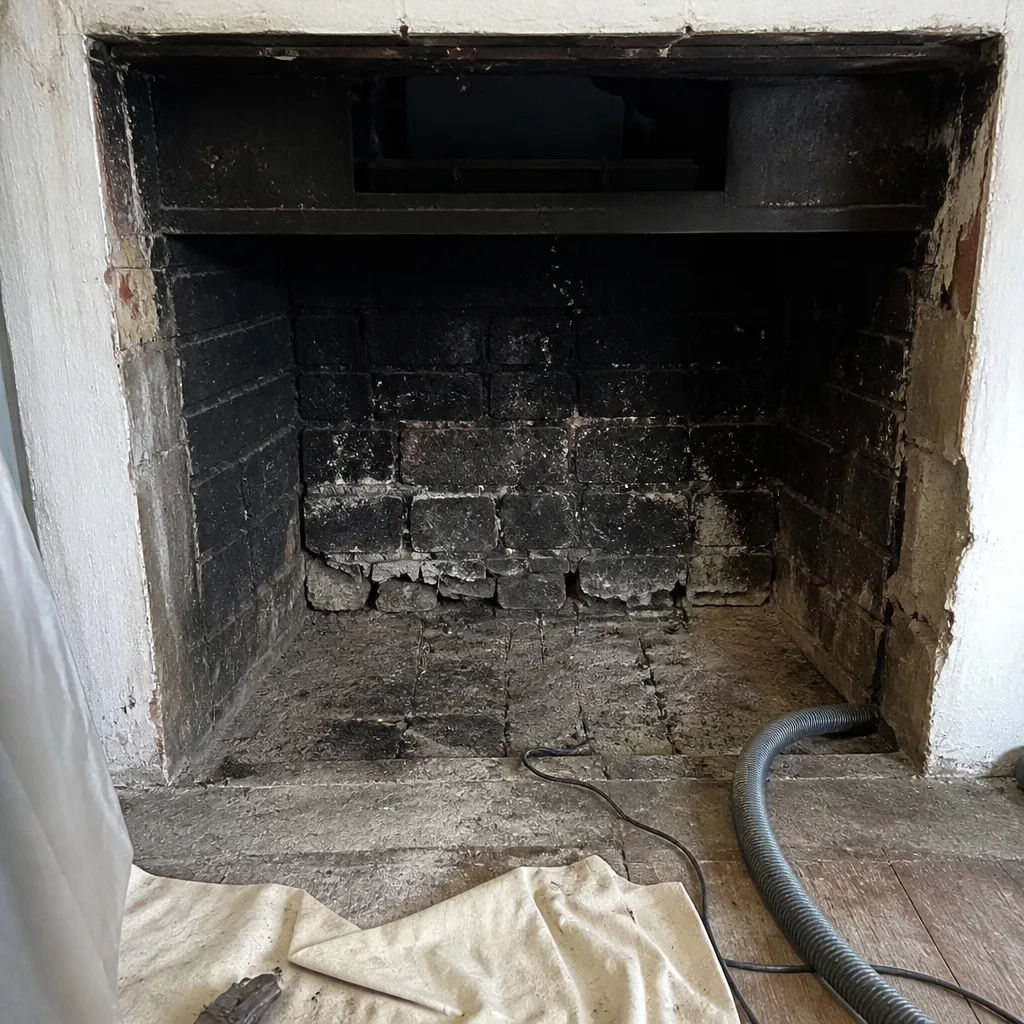 Before
 After
 Before
 After
When to Call a Professional
Call a professional when the smoke from your fireplace won’t rise, when the firebox smells of creosote after a burn, or when you’ve noticed anything that looks like a glazed coating on the liner walls. Call if there’s a crack in the crown you can see from the ground, a cap that’s missing or loose, or water stains on the chimney’s exterior. In South Beach, recent storm damage or a chimney that hasn’t been cleaned in more than a year is a reason to schedule. A chimney fire – even a small one – means a Level 2 inspection before the next burn. Chimney Sweep South Beach offers free estimates in South Beach. Call Chimney Sweep South Beach at (833) 508-9938.
Frequently Asked Questions
A standard single-flue sweep in South Beach typically runs $180 to $340, and a sweep that includes a Level 2 camera inspection runs $290 to $520. The written estimate sets the final price. Call (833) 508-9938 for an exact quote – estimates are free.
Not always. Which liner repair path fits depends on the damage: cracked but structurally sound tiles may be a candidate for HeatShield cast-in-place restoration, while a heat-damaged flue may need a DuraFlex reline. Nothing is recommended without camera evidence you can see for yourself, and in some cases the work can safely wait until the next season. Call (833) 508-9938 for an exact quote – estimates are free.
Once a year for a home that burns regularly, and once a year as a check even for light use. The damp South Beach climate shortens mortar and crown life, so the annual visit doubles as an inspection of the whole assembly. Call (833) 508-9938 for an exact quote – estimates are free.
Creosote keeps building, and third-degree glazed deposits are the most combustible. Beyond fire risk, a blocked flue can push carbon monoxide back into the room instead of up and out. A skipped year also means crown cracks and liner damage go unseen. Call (833) 508-9938 for an exact quote – estimates are free.
We handle the full scope in-house: cleaning, inspection, fireplace repair, and cap and crown work. That continuity means the team that finds an issue is the team that fixes it, with no handoff. We use professional-grade brands including DuraFlex and HeatShield for liner work.
Ask whether the visit covers the smoke chamber and crown, whether a camera inspection is included, and which brands the contractor specifies for repairs. A written report with photos is the standard, especially for real estate or insurance needs. Call (833) 508-9938 for an exact quote – estimates are free.
The Bottom Line
Chimney cleaning in South Beach works when it’s treated as a system check, not a brush pass. The firebox, smoke chamber, liner, crown, and cap each fail in different ways, and the cleaning visit is the only point where all five get looked at together. Creosote stages determine the method, inspection levels determine the depth, and brand-quality materials determine how long a repair lasts. The home that gets a yearly cleaning and a full inspection spends less than the one that waits for smoke to back up. Written estimates are the standard; camera evidence is the yardstick. That’s the short version, and it’s how we work every visit.
Call (833) 508-9938 for a free estimate. We answer 24/7. Fast dispatch from 7am to 7pm, Sunday through Friday.
Written by the team at Chimney Sweep South Beach.