
Last updated November 25, 2026
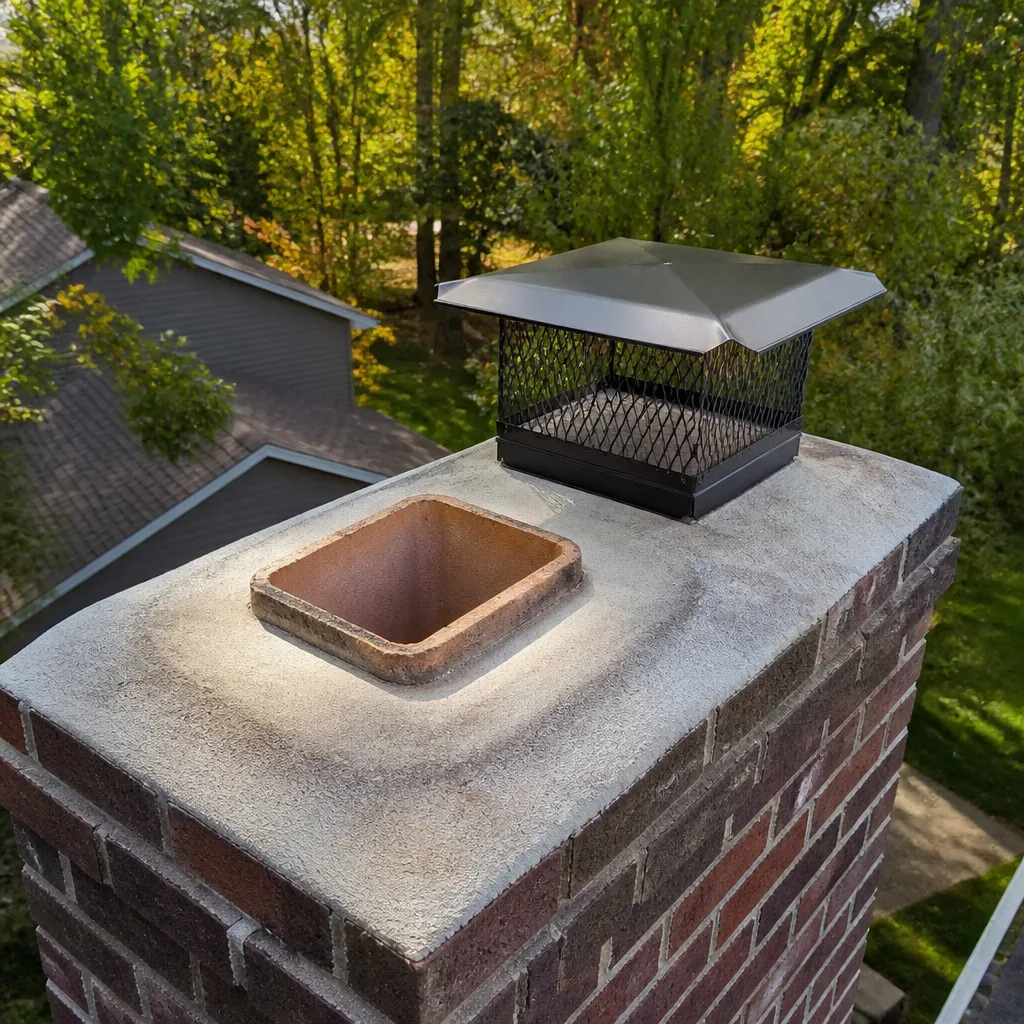 Sweep & inspection
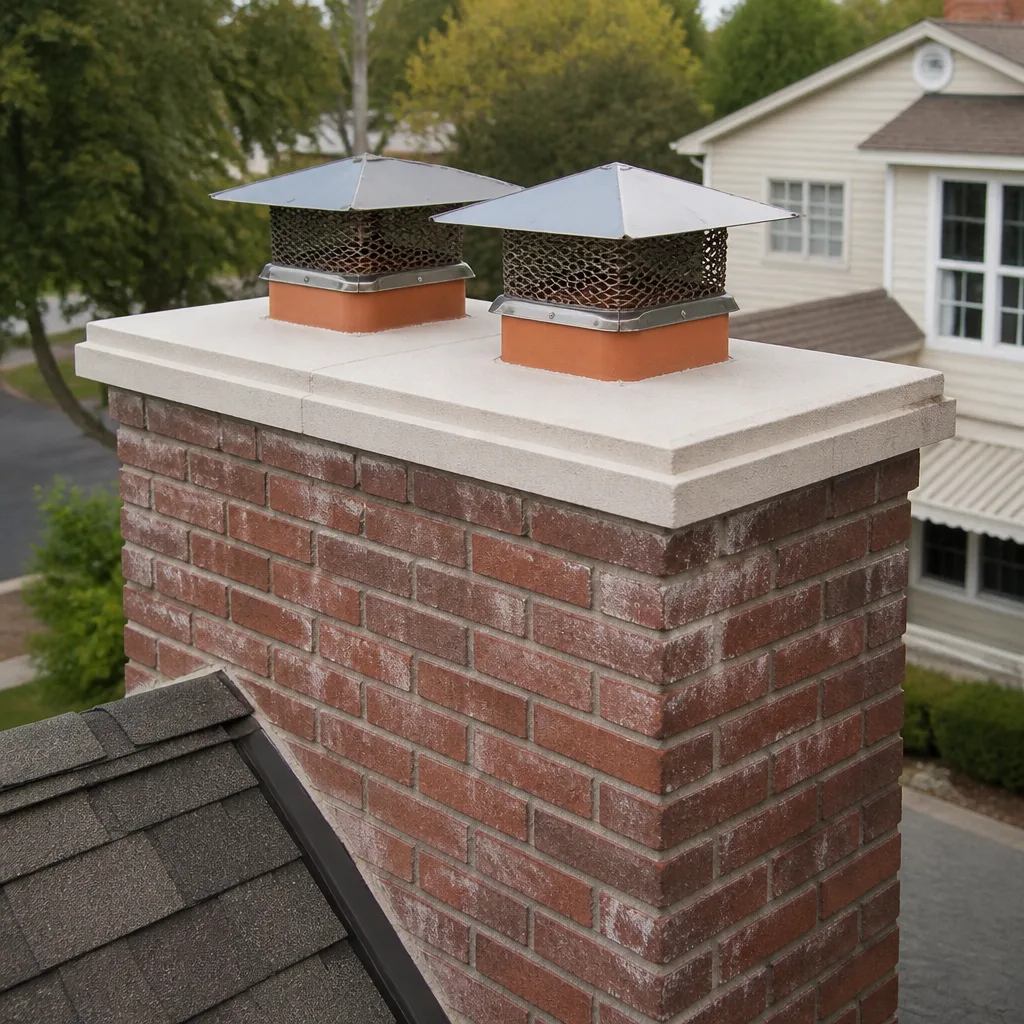 Caps & crowns
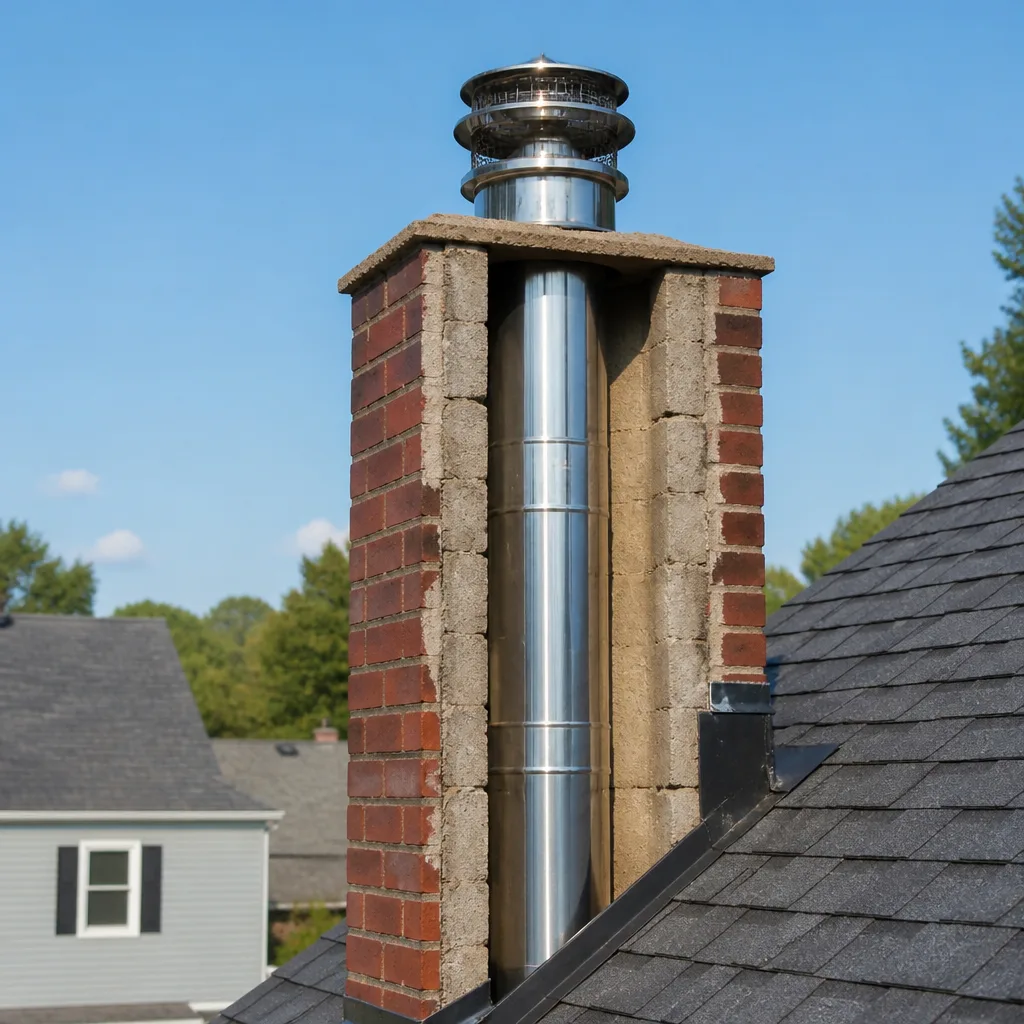 Flue relining
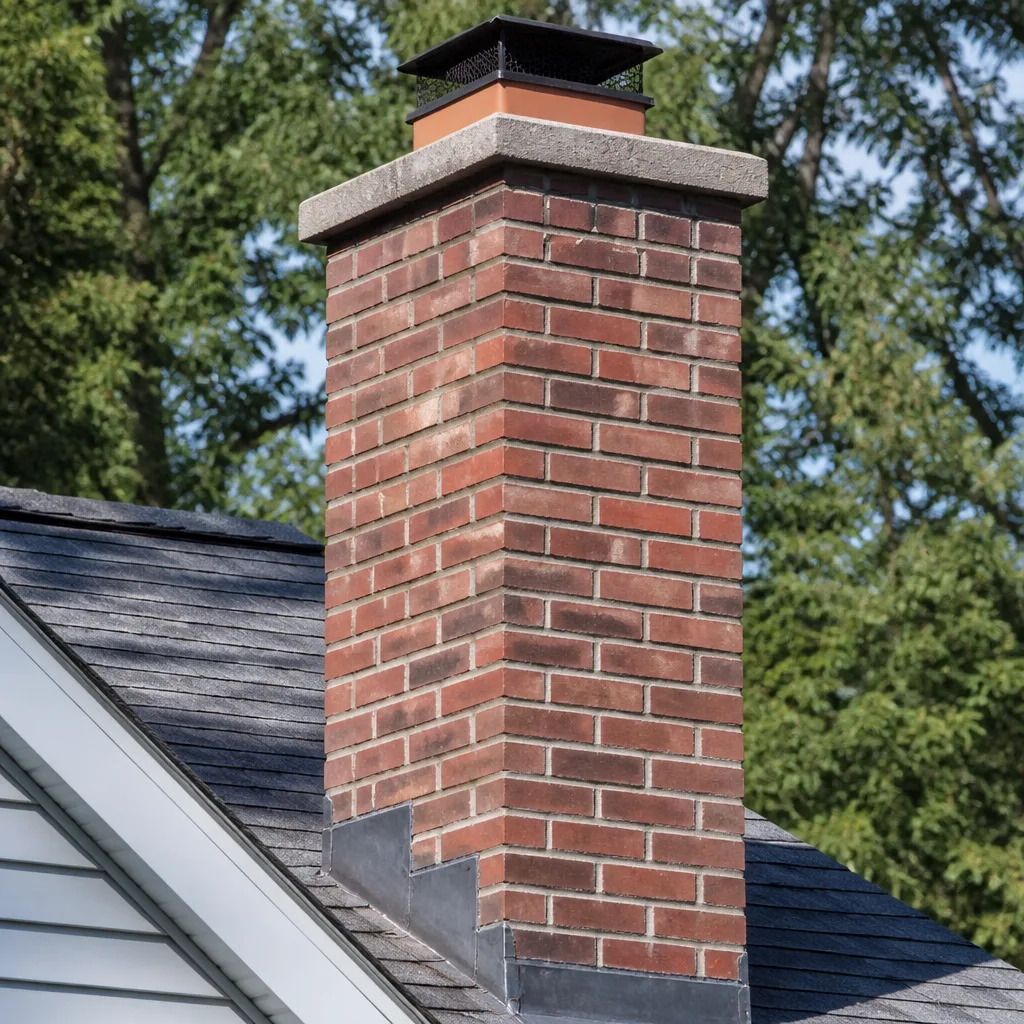 Masonry repair
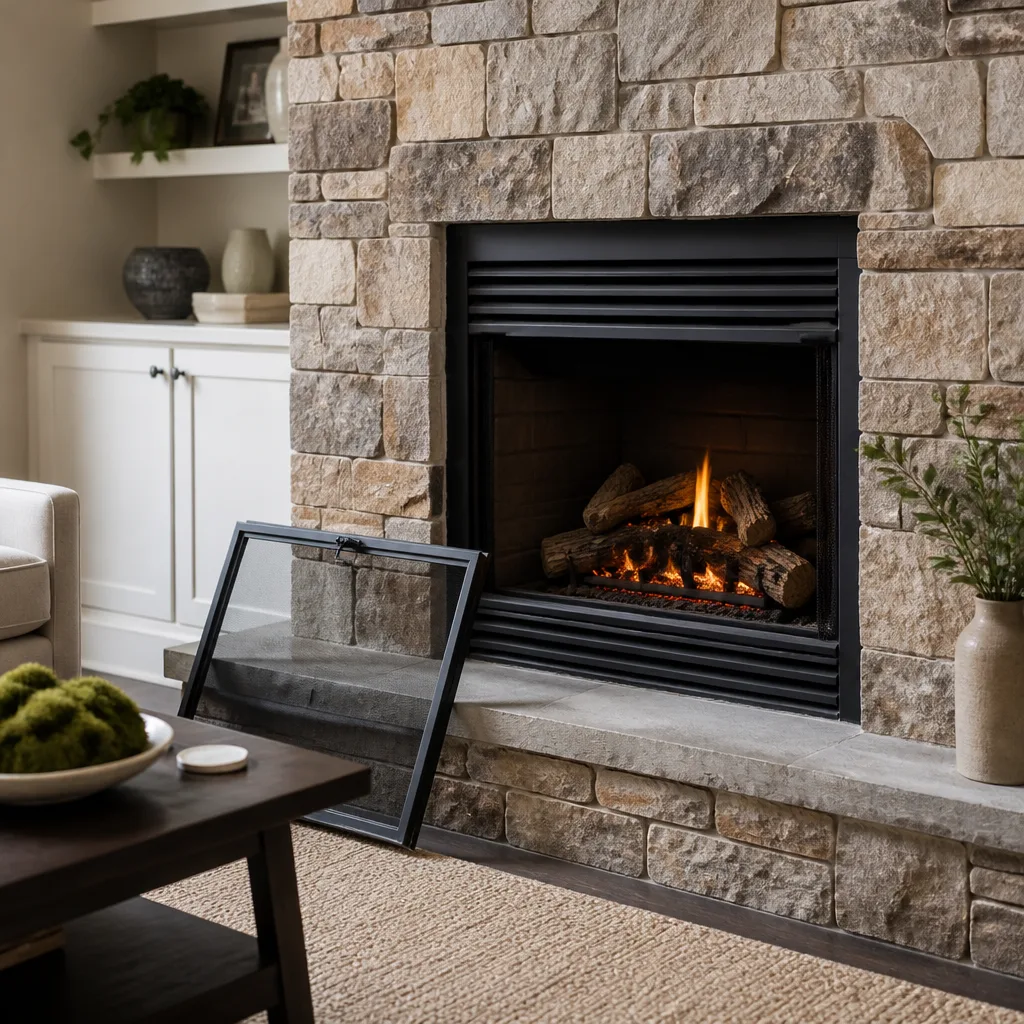 Gas fireplace service
Level 1 sweep and inspection to the NFPA 211 annual standard - flue, crown, cap, and flashing checked and photographed
Chimney sweep logs do not sweep chimneys. They loosen some creosote - which then falls where a brush and vacuum still have to collect it.
How to Hire a Chimney Cleaning Contractor in South Beach: A Step-by-Step Guide
The cheapest chimney cleaning quote in South Beach almost always comes from a contractor who doesn’t own a liner camera. Without a visual inspection of the flue interior, a “cleaning” is just brushwork, and you’ve paid for maintenance while ignoring the structural condition that actually determines fire risk. Most homeowners shop on price and review count, then discover the gap only after a sweep has already been and gone. This guide changes the order of operations. You’ll learn the five technical questions to ask before anyone books a visit, how to read a written estimate line by line, and how to tell a full-system chimney specialist from a crew that cleans and leaves. Everything here is written from South Beach, for South Beach.
Quick Answer
To hire a chimney cleaning contractor in South Beach, ask five things before booking: what camera system they use to inspect the flue, what liner and cap materials they carry, which certifications their crew holds, whether they can perform repairs in-house after the inspection, and how they document what they find. A contractor who can answer all five with specifics is a full-system specialist. One who can only quote a price per flue is a sweep-and-go operation. Get everything in a written estimate before work starts.
Styles & brands we work with
- Sweep & inspection
- Caps & crowns
- Flue relining
- Masonry repair
- Gas fireplace service
Table of Contents
- Why Materials Knowledge Matters More Than Review Count
- The Five Technical Questions to Ask Before Booking
- CSIA Certification, NY Licensing, and the Liability Gap
- Red Flags in a Chimney Cleaning Quote
- How to Compare Written Estimates Line by Line
- Why South Beach’s Housing Stock Changes the Diagnosis
- What a Proper Inspection Looks Like on the Day
- Common Mistakes to Avoid
Why Materials Knowledge Matters More Than Review Count
A chimney is a system, not a hole. The firebox, the smoke chamber, the flue liner, the crown, and the cap all work together, and a weak point anywhere in that chain changes how the whole thing performs. A contractor who only sweeps addresses one component. A contractor who knows their materials can tell you, from a camera image, whether your flue needs a HeatShield restoration or a DuraFlex reline, and why one is the right call and the other isn’t.
That distinction matters when you’re standing in your living room in South Beach listening to someone describe work on your roof. “You need a new liner” is not a diagnosis. It’s a quote line. A specialist explains that the flue interior has spalled at a joint, that HeatShield’s in-place restoration can seal that joint without a full tear-out, and why a flexible DuraFlex stainless reline is the better path if the damage runs the length of the flue. Those are different products for different conditions, and the contractor’s ability to name them, and explain the choice, tells you whether they’ve actually looked.
In our experience, the review count on a contractor’s profile tells you how many people booked them. It doesn’t tell you whether that contractor carries professional-grade cap and crown materials like Copperfield or Famco, or whether they’d install a generic hardware-store cap and call it done. Reviews measure satisfaction with the visit. Materials knowledge determines whether your chimney is safe two winters from now.
When you’re comparing South Beach contractors, ask what brands they work with. If the answer is “whatever’s available,” that’s information. If they can tell you they use HeatShield for in-place flue restoration and DuraFlex for full relines, you’re talking to someone who has made a decision about materials rather than defaulting to the cheapest option on the shelf.
The Five Technical Questions to Ask Before Booking
This is the interview. Ask these five questions on the phone before anyone climbs on your roof. You’re not testing whether the contractor can recite brand names. You’re testing whether they think in terms of system diagnostics or in terms of brushwork.
- What camera system do you use to inspect the flue interior? The answer should be specific. A liner camera sends a live feed down the flue and lets you see what the technician sees. If the answer is “we look from the top” or “we use a flashlight,” that contractor cannot diagnose a cracked liner, a spalled joint, or a hidden blockage. You’re paying for a cleaning without an inspection, and the inspection is the part that actually determines fire risk.
- What liner materials do you stock? Look for recognized professional brands. HeatShield is an in-place flue liner restoration system that addresses interior damage without a full chimney rebuild. DuraFlex is a flexible stainless-steel relining system for chimneys that need a new liner without demolition. A contractor who names these and can explain when to use each is a full-system specialist. One who says “we source it when we need it” is a middleman.
- Which certifications does your crew hold? CSIA certification means the technician has been trained and tested on chimney system inspection and sweeping standards. Ask which specific crew members hold it, not whether the company “is certified” in some general sense.
- Can you perform the repair in-house after the inspection? This is the continuity question. If the contractor finds a damaged crown and has to refer you to a masonry company, you’ve now split accountability across two providers. The person who found the problem should be the person who fixes it, and the same company should stand behind both.
- How will you document what you find? A camera inspection should produce a photo report you can see yourself. If you can’t look at the images and understand what the technician is describing, you’re being asked to trust a verbal report with no evidence behind it.
Ask these questions in order and listen to how the contractor responds. A specialist answers each one with specifics and welcomes the scrutiny. A sweep-and-go crew gets vague around question one and starts talking about price.
CSIA Certification, NY Licensing, and the Liability Gap
There are three tiers of people who will offer to clean your chimney in South Beach, and the difference between them is not just training. It’s what happens if something goes wrong.
- A CSIA-certified sweep has been trained and tested on chimney system inspection and sweeping. That certification is specific to the trade and covers what to look for in a flue, how to inspect safely, and what conditions require a written report.
- A licensed NY chimney contractor holds the state licensing required for the contracting work, which is a separate layer from the sweep certification. Licensing speaks to the legal standing of the business to perform construction-type work on your home.
- An unlicensed handyman has neither, and often no insurance that would cover a chimney-related loss. If a handyman damages your flue or a repair fails, you’re left with the consequences.
The liability gap matters most when the work is structural. Sweeping is low-risk. Crown repair, cap installation, and relining are not. If a contractor installs a cap with the wrong sealant, water gets in, the crown cracks, and the damage shows up two seasons later. That’s not something you can resolve with a phone call if the person who did the work was operating without proper standing.
For South Beach homeowners, the practical move is to ask three things in one breath: “Are you CSIA-certified, are you licensed in New York, and are you insured?” A contractor who can answer all three without hesitation has done the groundwork. One who deflects on any of them is a risk you don’t need to take on a system that carries fire and carbon monoxide implications.
This is also true for real estate transactions. Buyers and sellers in South Beach often need a chimney inspection documented for the sale or for an insurer. A CSIA-certified contractor can produce an inspection that holds up. A handyman’s verbal report won’t get you there.
Red Flags in a Chimney Cleaning Quote
A quote is a window into how a contractor thinks. Read it carefully and you’ll learn more than the price tells you.
- Flat-rate pricing with no inspection component. If the quote is a single number with no line for camera inspection, you’re buying brushwork. The inspection is the part that produces information, and it should be in the scope.
- Vague line items like “chimney repair.” That phrase could mean anything from a small crown patch to a full reline. A legitimate estimate specifies what will be done, to which component, with what material.
- No brand names in the materials line. If the quote doesn’t name the cap or crown sealant, the liner system, or the mortar, ask why. A professional is not shy about naming the product. Generic “sealant” and “liner” language is where corners get cut.
- Repairs recommended before an inspection has happened. This is the biggest one. If a contractor tells you over the phone that you need a reline, ask how they know. Without a camera view of the flue, they don’t.
- No written warranty terms. Workmanship should come with a stated warranty. If the estimate has no line for it, ask for one in writing before you sign.
- A price that’s dramatically lower than everyone else’s. Sometimes that’s a smaller scope. Often it’s a missing inspection. Ask what’s included and compare the line items, not just the total.
We’ve seen quotes in South Beach that list a “chimney repair” line with no material named and no scope described. That’s not an estimate. It’s a placeholder that lets the contractor charge whatever the job turns out to require. Insist on specificity before you book.
How to Compare Written Estimates Line by Line
When you have two or three estimates in front of you, don’t compare the totals. Compare the structure. A well-built estimate has four sections, and you can compare them directly across contractors.
- Scope of work. What exactly is being cleaned, inspected, or repaired? Which components? If one estimate says “sweep chimney” and another says “sweep flue, inspect firebox, smoke chamber, and cap, camera-inspect flue interior,” they are not the same job.
- Materials specified. Every repair line should name the product. “Crown sealant” is a red flag. A named product is a green light. This is where you can see whether the contractor uses professional-grade materials or generic substitutes.
- Warranty terms. What’s covered, for how long, and what voids it? Compare the terms, not just whether a warranty exists.
- What triggers additional charges. Every estimate for a chimney job involves some uncertainty until the technician is on the roof. A good estimate says up front what would cause the price to change, so there are no surprises when the work starts.
Ask each contractor to walk you through their estimate line by line before you sign. The one who can explain each line clearly, including why a particular material was chosen, is the one to hire. The one who says “it’s all in there” and moves on to price is telling you something too.
If you’re comparing a sweep-only quote against a full-system estimate, the sweep-only quote will look cheaper. It is cheaper because it includes less. The information from the inspection is what lets you make an informed decision about repairs, and that information is the point. For a closer look at what a proper chimney sweep should include, we’ve laid out the full scope.
Why South Beach’s Housing Stock Changes the Diagnosis
South Beach has a mix of older brick colonials and newer construction, and that mix matters when a technician is diagnosing a flue. A brick colonial from the mid-twentieth century often has an original clay tile flue liner that has been through decades of heating cycles. Those tiles crack, the joints spall, and the flue can develop gaps that let combustion gases escape into the chimney structure. On a house like that, a camera inspection is the only way to know what’s happening inside the flue.
Newer construction in South Beach sometimes has flue configurations that don’t follow the standard straight-run pattern. Offsets, bends, and unusual terminations are not rare. A technician who has only worked on simple straight flues may miss a non-standard configuration entirely, or may recommend a repair that doesn’t actually fit the geometry of the chimney. This is where a contractor’s familiarity with South Beach’s housing stock earns its keep.
Familiarity also matters at the top of the chimney. Different roof types, different flashing details, and different crown conditions all show up in South Beach, and a contractor who has seen the range knows what to look for. A crew that works in one style of housing tends to see what they expect to see.
When we look at a South Beach chimney, we’re thinking about the whole system: the firebox, the smoke chamber, the flue, the crown, and the cap. Your flue, liner, cap, and crown, not just your firebox, is the standard we hold every visit to. That’s the difference between a sweep and a diagnosis.
What a Proper Inspection Looks Like on the Day
On the day of the visit, you should know what to expect before the technician arrives. A proper inspection in South Beach follows a sequence, and you can track it as it happens.
- The technician lays drop cloths and protects the hearth area. Chimney work is dusty, and a professional contains the mess before starting.
- The firebox and firebox interior are inspected first. This is where you’ll hear about the condition of the firebrick, the damper, and the smoke shelf.
- The flue is swept with the appropriate brush for the flue type. The brush size and material depend on whether the flue is clay tile, stainless, or another liner.
- A camera inspection follows the sweep. This is the diagnostic step. The camera runs the length of the flue and the technician notes any cracks, gaps, blockages, or spalling. You should be able to see the feed or the recorded images.
- The cap and crown are inspected from the roof. The technician checks the cap for damage or obstruction, and the crown for cracks that could let water in.
- You receive a written report with photos. This is the deliverable. The report should describe what was found and, where repairs are recommended, connect each recommendation to a specific image.
If any of these steps are skipped, ask why. The camera inspection and the written report are the two that matter most, because they’re what turn a cleaning into a diagnosis. Without them, you’ve paid for a service with no information attached.
We’ve seen South Beach homeowners receive a verbal “you’re all set” after a sweep with no camera and no report. That’s a maintenance visit, not an inspection. It tells you nothing about the structural condition of your flue, which is the thing that actually determines fire risk.
When the inspection turns up a problem, the conversation about repair should name specific products. A crown that needs sealing gets a named sealant. A flue with interior damage gets a recommendation for HeatShield restoration or a DuraFlex reline, with an explanation of why one is right and the other isn’t. If the recommendation is vague, push back. The right product for the right repair is the standard, and you’re entitled to hear it named.
The other part of the conversation worth having is about timing. Not every repair needs to happen immediately. A small crack in a crown that isn’t yet letting water in can often be monitored and addressed before the next heating season. A camera image showing a spalled flue joint is a different matter. A contractor who tells you which findings are urgent and which can wait is one you can trust with the follow-up work. If you’re planning fireplace repair alongside the sweep, ask that it be scoped in the same written estimate.
When the repairs involve the top of the chimney, ask specifically about the cap and crown. Chimney cap & crown work is where water intrusion starts, and it’s an area where the material matters. A generic cap installed with the wrong sealant can fail within a couple of seasons. A properly specified cap and crown, installed by someone who knows the products, holds up.
Common Mistakes to Avoid
- Hiring on price alone. The cheapest quote in South Beach is often the one with no camera inspection built in. You’ll pay less up front and learn less about your chimney, which means a structural problem can go unaddressed. Compare scope, not just totals.
- Accepting a phone diagnosis. No contractor can diagnose your flue from a phone call. If a recommendation is made before anyone has looked at the chimney, it’s a guess dressed up as an estimate.
- Skipping the written report. A verbal “you’re fine” is not documentation. Ask for the photo report, and if there isn’t one, ask why not.
- Not asking which crew members hold CSIA certification. “We’re certified” is a company statement. You want to know who on the crew actually holds the credential, because that’s who’s inspecting your flue.
- Letting inspection and repair split across two companies. If the inspector finds a problem and refers you elsewhere for the fix, accountability is now divided. Look for a contractor who can do both, in-house, so the person who found the issue is the one who resolves it.
- Assuming newer construction in South Beach doesn’t need an inspection. Newer chimneys can have non-standard flue configurations that a routine sweep won’t reveal. Camera inspection is the only way to know.
- Ignoring the cap and crown. Water intrusion from a failed cap or cracked crown is one of the most common causes of chimney damage, and it’s invisible from the ground. Ask for the roof-level inspection as part of the visit.
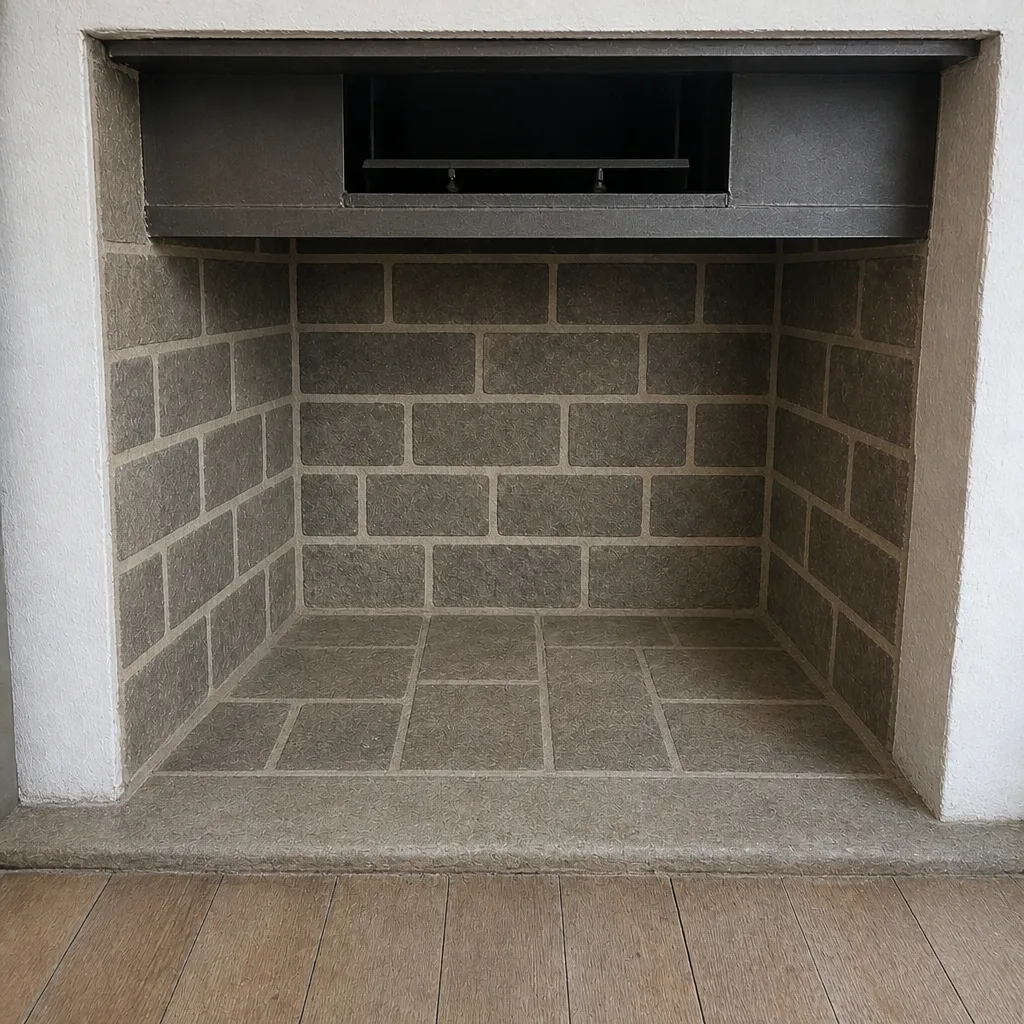
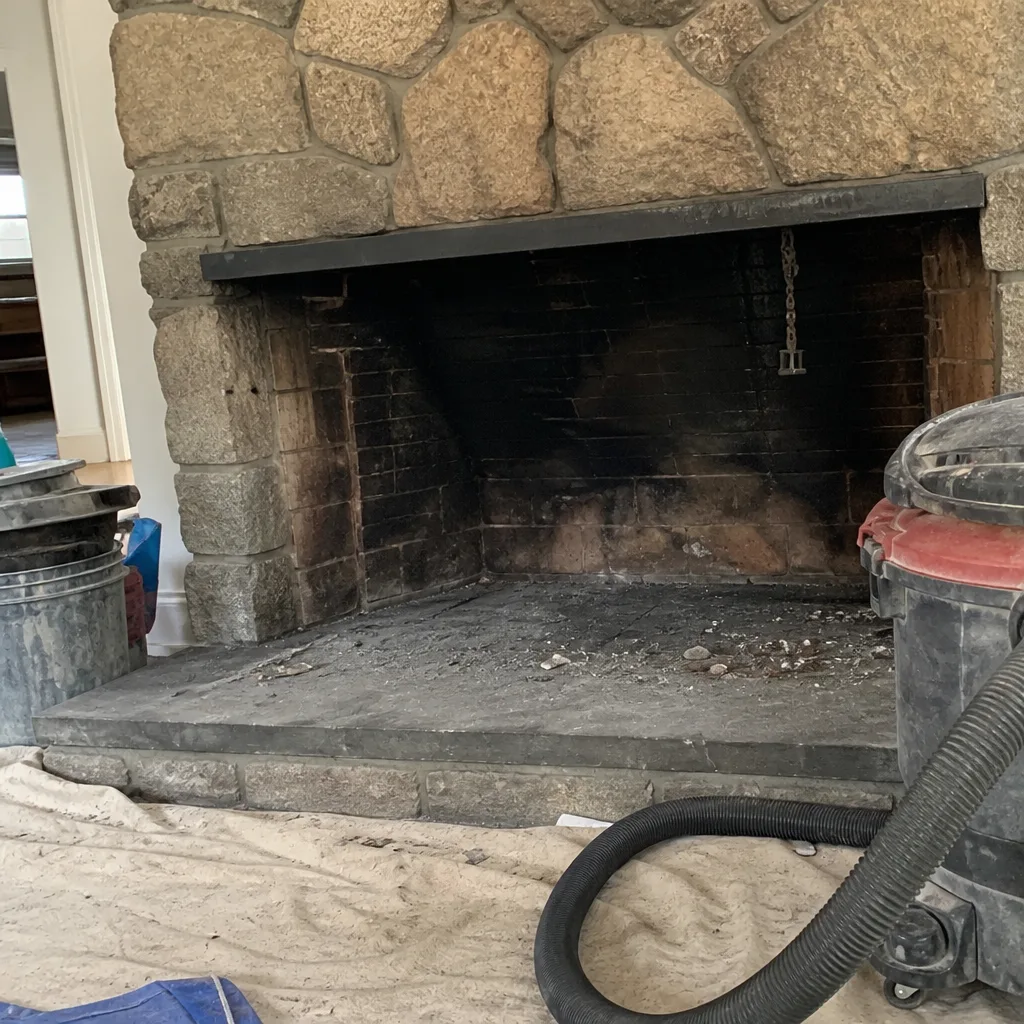
See the difference
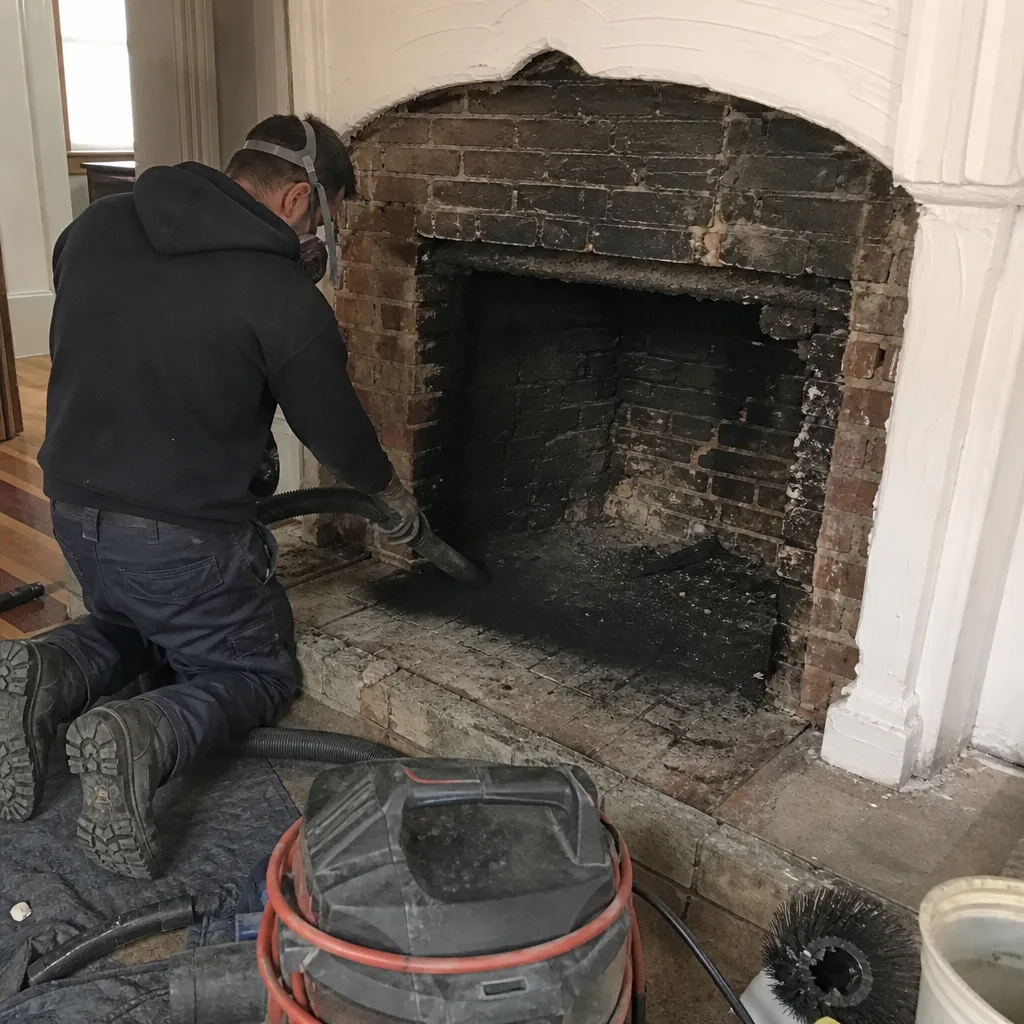 Before
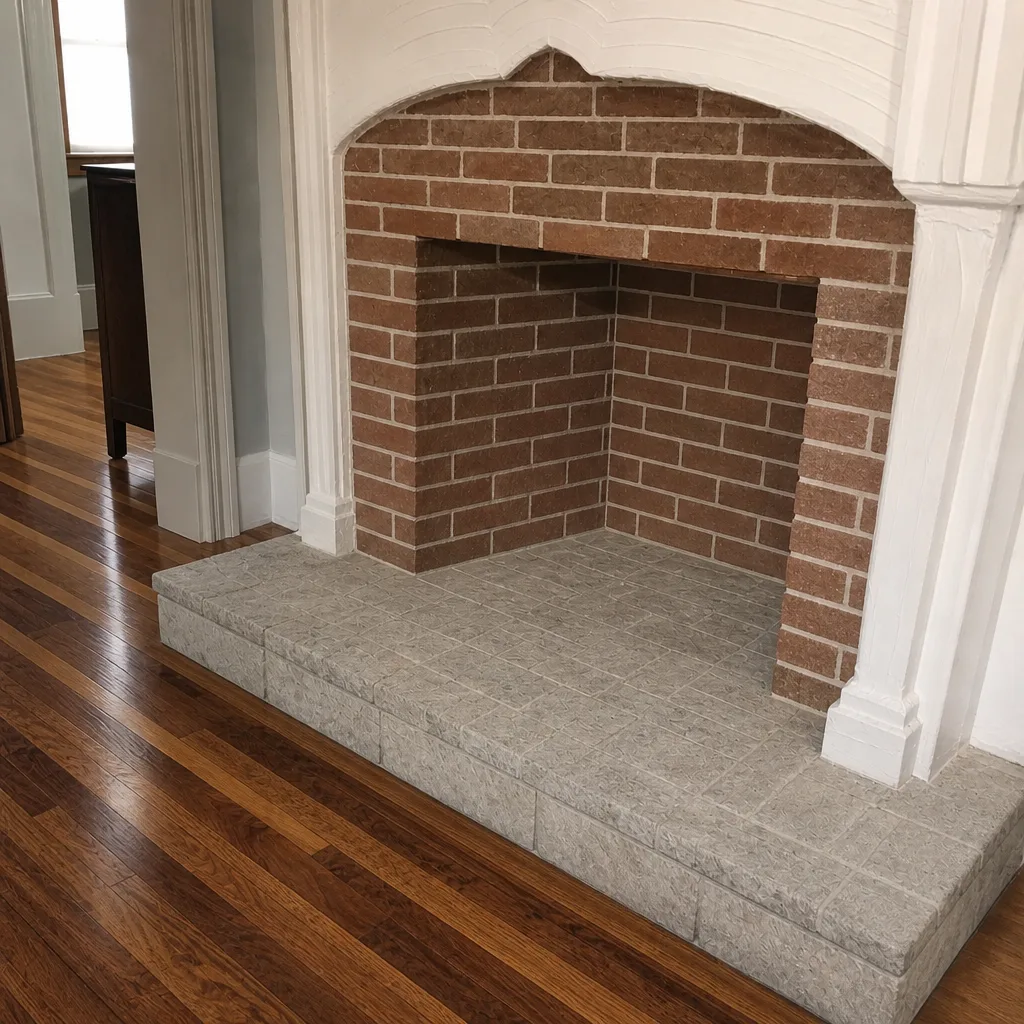 After
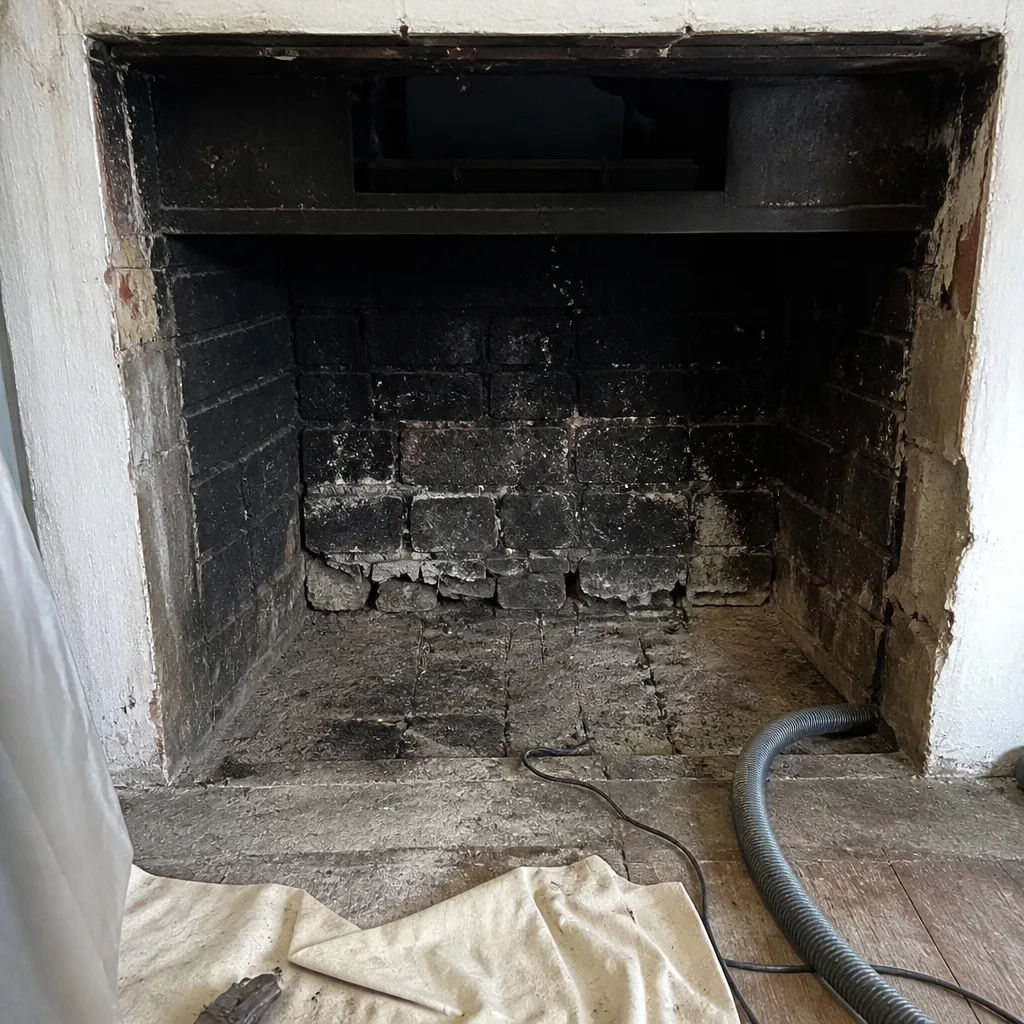 Before
 After
 Before
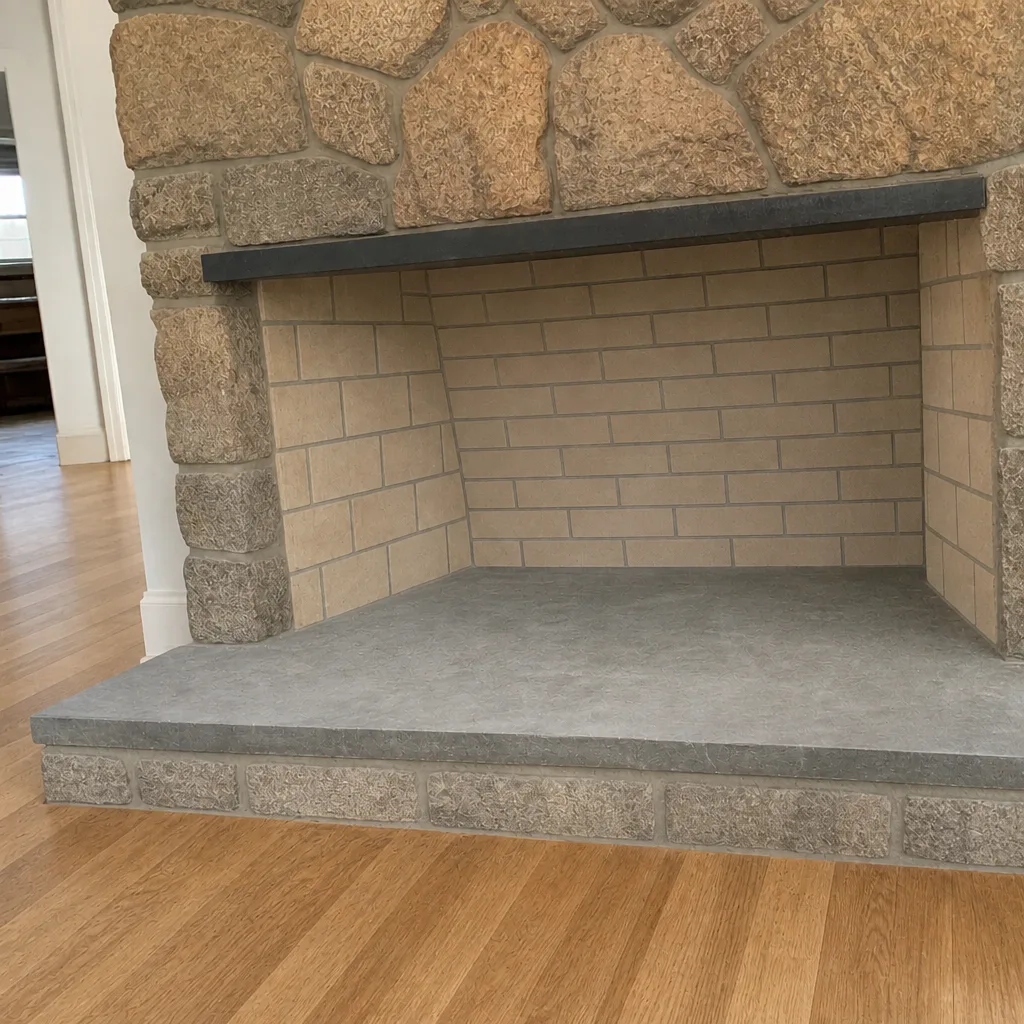 After
When to Call a Professional
Some chimney work is a reasonable maintenance task. Most of it isn’t. Call a professional in South Beach if you haven’t had the chimney swept and inspected within the timeframe recommended for your usage, if you notice creosote buildup in the firebox, if smoke backs into the room when you burn, if you smell a strong odor from the flue on warm days, or if you’ve had a chimney fire, even a small one you put out yourself. Call before buying or selling a home if the transaction requires a chimney inspection. And call before the heating season starts, not in the middle of it, because a sweep and inspection booked ahead gives you the information you need to make repair decisions on your own timeline rather than a rushed one.
Chimney Sweep South Beach offers free estimates in South Beach. Call (833) 508-9938. We answer 24/7. Fast dispatch from 7am to 7pm, Sunday through Friday.
The same applies if you’re looking at Chimney Sweep South Beach for the first time and want to understand the full scope of what a visit includes. Our technicians have up to 14 years of experience, and whether the job is a routine sweep or a repair, the standard is the same: safe to burn, and you can see the evidence behind every recommendation.
Frequently Asked Questions
A chimney sweep in South Beach is typically priced per job, and the written estimate sets the final price. The cost depends on the flue configuration, the level of buildup, and whether a camera inspection is included. Many low-cost quotes are sweep-only, which means no inspection and no report. Ask what’s included before you book. Call (833) 508-9938 for an exact quote. Estimates are free.
Only a camera inspection can tell you that, and you should insist on seeing the images yourself before agreeing to relining work. A contractor who recommends a new liner without showing you the condition of the existing flue is asking you to take it on faith. If the flue interior shows spalling, cracking, or gaps, a HeatShield in-place restoration or a DuraFlex reline may be the right fix. Ask which one and why. Call (833) 508-9938 for a free estimate.
The general guidance is to have the chimney swept and inspected annually, and more often if you burn heavily or notice creosote buildup. In South Beach, where many homes have active fireplaces through the cooler months, an annual sweep and inspection is the baseline. Booking before the season starts gives you time to schedule any repairs without rushing. Call (833) 508-9938 to book a visit.
Creosote builds up in the flue and becomes more flammable as it accumulates, which raises the risk of a chimney fire. A cracked or damaged liner can let combustion gases, including carbon monoxide, escape into the structure of the house instead of venting outside. The problem is invisible from the firebox, which is why the camera inspection matters. Call (833) 508-9938 for an exact quote on a sweep and inspection. Estimates are free.
No, they’re separate. CSIA certification is a trade credential that covers chimney system inspection and sweeping standards. A NY contractor license is a state-level credential for the business to perform contracting work on your home. A full-system chimney contractor should hold both, and should be insured. Ask all three questions in one breath when you call.
Yes. A chimney inspection for a real estate transaction is a specific scope of work, and it should produce written documentation that will hold up for the buyer, seller, or insurer. A CSIA-certified technician can provide that. Book it early in the transaction so any findings can be addressed before closing. Call (833) 508-9938 to schedule.
The Bottom Line
Hiring a chimney contractor in South Beach is a technical interview, not a price comparison. Ask about the camera system, the liner and cap materials, the certifications on the crew, whether repairs are handled in-house, and how findings are documented. Read every estimate line by line: scope, materials, warranty, and what triggers additional charges. Look for a contractor who can name the exact product they’d use for your repair, because a specialist who knows their materials can tell you what’s urgent and what can wait. The cheapest quote is often the one without an inspection, and the inspection is the part that matters. Get it in writing, look at the images yourself, and book before the season starts.
Call (833) 508-9938 for a free estimate. We answer 24/7. Fast dispatch from 7am to 7pm, Sunday through Friday.
Written by the team at Chimney Sweep South Beach.