
Last updated November 25, 2026
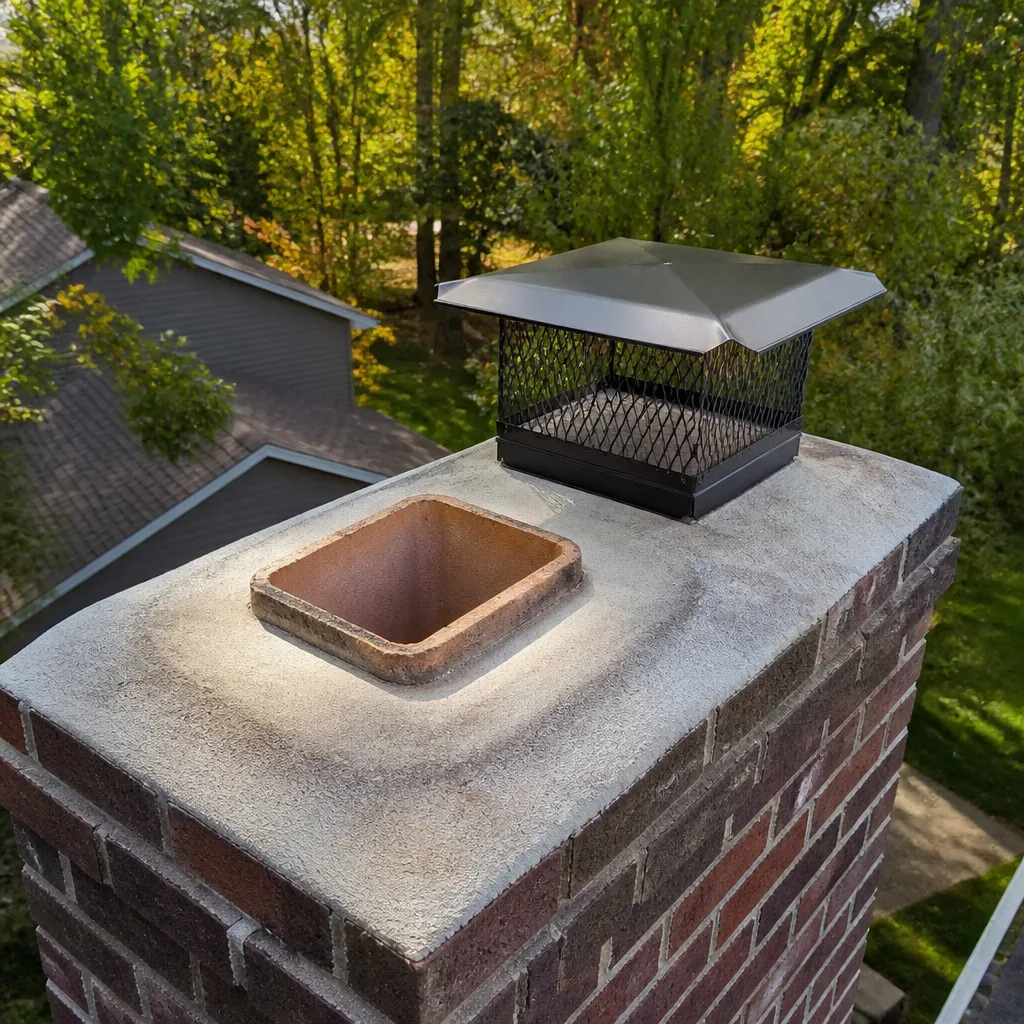 Sweep & inspection
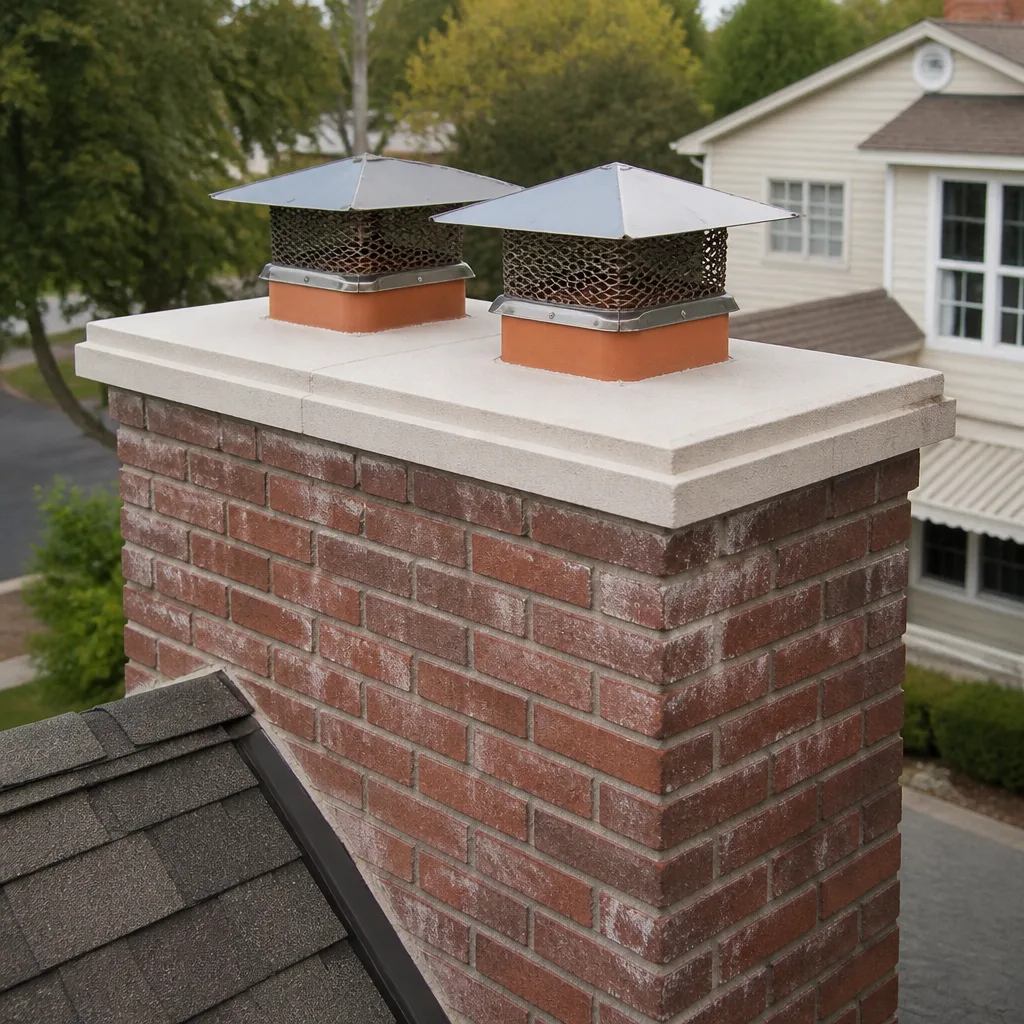 Caps & crowns
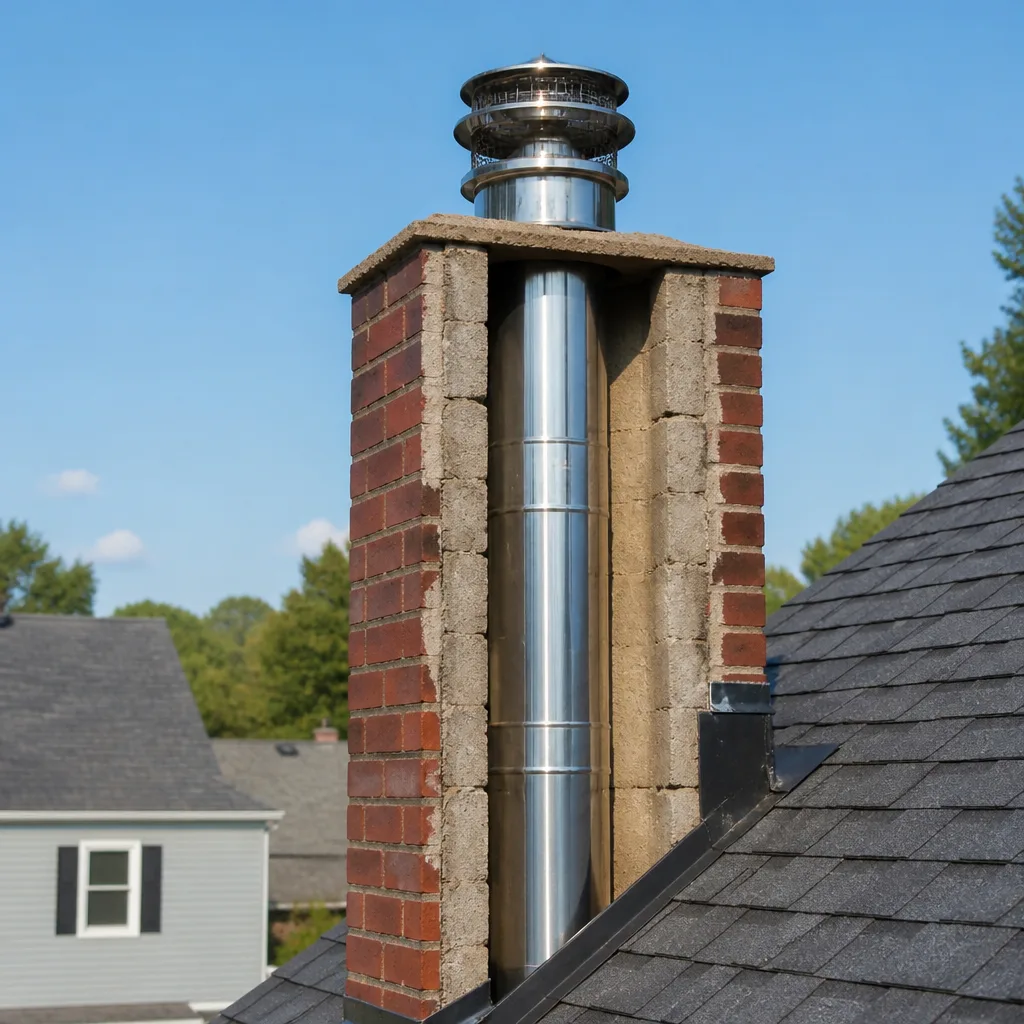 Flue relining
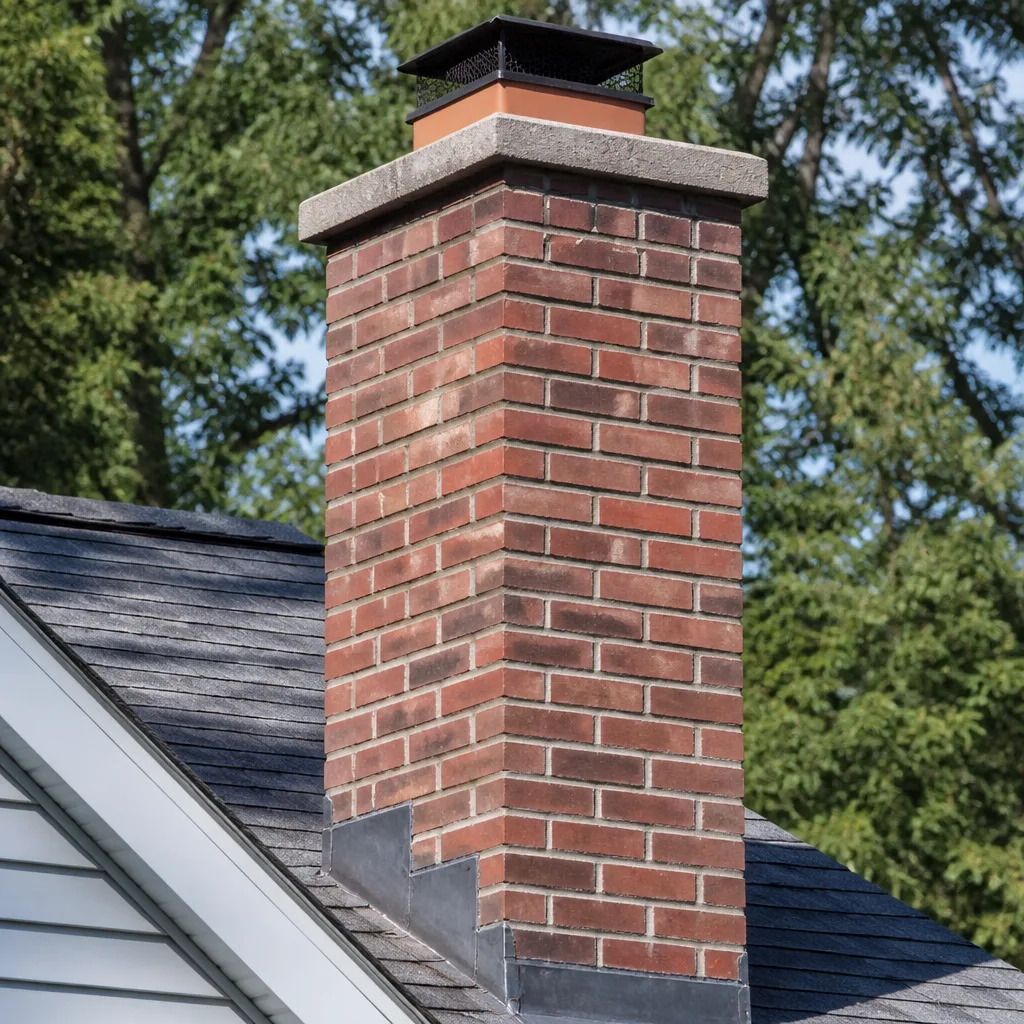 Masonry repair
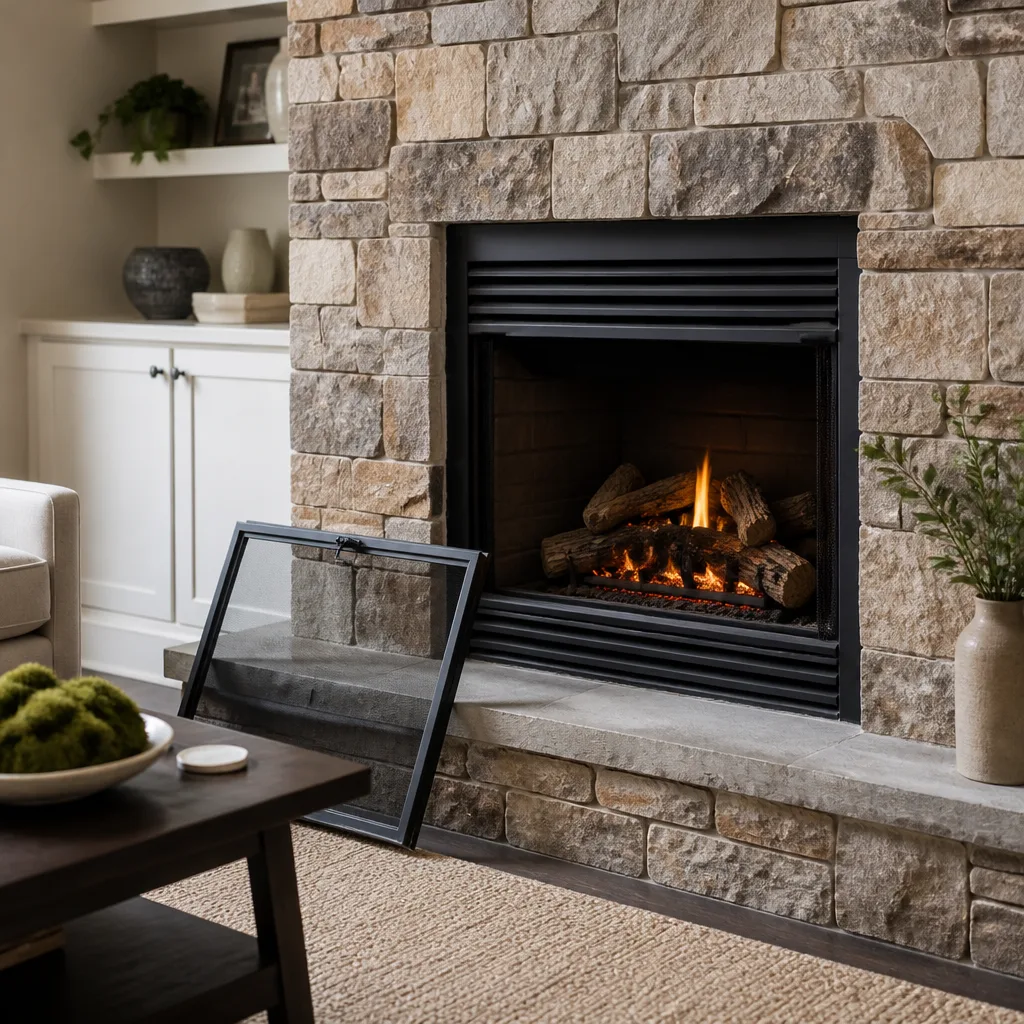 Gas fireplace service
Level 1 sweep and inspection to the NFPA 211 annual standard - flue, crown, cap, and flashing checked and photographed
Chimney sweep logs do not sweep chimneys. They loosen some creosote - which then falls where a brush and vacuum still have to collect it.
Chimney Cleaning Warning Signs: A South Beach Homeowner’s Reference Guide
Most homeowners book a chimney cleaning for the wrong reason. They smell smoke in a room with the damper closed, or they notice a stain they can’t explain, and they assume the flue needs sweeping. Sometimes it does. Often it doesn’t, and the sweep does nothing because the real problem was never creosote in the first place. The warning signs a chimney gives you fall into two groups that get mixed together all the time: signs the flue needs cleaning, and signs the system has structural damage that cleaning can’t touch. This guide sorts one from the other, using what we look for on South Beach homes, so you know which kind of appointment to book.
Quick Answer
Chimney cleaning warning signs split into two categories. Creosote signs (oily odor in warm weather, a fire that draws poorly, black buildup at the damper throat, soot falling into the firebox) mean the flue needs a sweep. Structural signs (white staining on the exterior, crumbling mortar, water in the firebox, rust streaks below the cap) mean the chimney needs repair, and a cleaning will not fix them. Match the sign to the right response and you avoid paying twice for the same problem.
Styles & brands we work with
- Sweep & inspection
- Caps & crowns
- Flue relining
- Masonry repair
- Gas fireplace service
Table of Contents
- The Two Lists Every Homeowner Should Keep
- Warning Signs That Mean the Flue Needs Cleaning
- Warning Signs That Mean Structural Repair
- South Beach Warning Signs That Inland Guides Miss
- Rusting Damper vs. Rusting Firebox Walls
- Glazed Creosote vs. Ordinary Soot
- What You Can Check From the Street
- Warning Signs During a Home Sale or Purchase
The Two Lists Every Homeowner Should Keep
The single most useful thing you can do for your chimney is stop treating every symptom as a cleaning problem. Keep two separate lists in your head: things a sweep fixes, and things a sweep reveals. When a homeowner in South Beach calls us describing smoke backing into the room, the first question we ask is whether the smell shows up in summer with the fireplace unused. If it does, that points to creosote. If the smell only appears when the fire is lit, or when another exhaust fan in the house is running, that points to a draft or structural issue. The distinction changes the entire visit.
Here is the split, in plain terms:
- Cleaning signs come from what has burned and settled inside the flue: creosote, soot, and ash. They get worse the more you burn and the less often you sweep.
- Structural signs come from the building and the weather acting on the chimney assembly: the masonry, the crown, the cap, the flashing, and the liner. They get worse with time and moisture, not with firewood.
Two of the most common complaints, the summer creosote smell and the fire that refuses to draw, sit on opposite sides of that line and need different trades. A sweep crew that only sweeps will clean a flue with a failed damper seal and leave the homeowner with the same symptom and a smaller wallet.
This is why we look at the whole system on every visit, not just the firebox. Your flue, liner, cap, and crown all get checked, because a sign on one of them often points to a problem on another. If you’ve never had the full assembly looked at, a Chimney Sweep South Beach inspection is the place to start: it tells you which list your symptoms belong to before anyone touches a brush.
Warning Signs That Mean the Flue Needs Cleaning
Creosote is the tar-like residue left behind when wood smoke cools against the flue walls. It builds in layers, and it burns. That is the whole reason chimney sweeping exists. The signs below tell you the flue is carrying more creosote than it should and a cleaning is due.
- An oily, smoky smell in summer. With the fireplace unused and the weather warm, old creosote softens and off-gasses. You smell it in the room even though nothing is burning. This is one of the most reliable cleaning signals there is.
- A fire that draws slowly or smokes into the room. A partially blocked flue pulls weakly. You notice the fire is sluggish, smokes at startup, or won’t stay lit the way it used to.
- Black buildup visible at the damper throat. Look up with a flashlight at the damper when the fireplace is cold. Heavy black coating there usually means the flue above carries more of the same.
- Soot flakes falling into the firebox. A fine black dust collecting on the hearth or dropping when the door opens points to a flue shedding buildup.
- A stronger smell after a cold snap. Cold, dense air pushes against a marginal draft and the smell gets worse. That pattern often tracks back to creosote, not to the weather itself.
If more than one of these applies, book a chimney sweep and get the flue measured, not just brushed. A proper sweep removes the buildup and tells you how much was there, which tells you how often to schedule the next one. When you call (833) 508-9938, our technicians have up to 14 years of experience reading exactly this kind of buildup.
Warning Signs That Mean Structural Repair
Structural warnings come from outside the flue, not inside it. They show up on the masonry, on the cap and crown, at the roofline, and in the firebox. A sweep does not touch any of these, and confusing them with cleaning signs is how a small repair turns into a rebuild.
- White staining on the exterior of the chimney. A chalky white bloom on the brick (efflorescence) is a moisture signal. Water is getting in and pushing mineral salts out through the brick.
- Crumbling or recessed mortar joints. Run a finger along a joint near eye level when you’re outside. If the mortar is sandy, soft, or gone, the masonry is deteriorating and water has a path in.
- Water in the firebox or a damp firebox floor. Standing water, or a persistently wet firebox floor, means the top of the chimney is letting rain in, usually past the crown or the cap.
- A damper that won’t close flat or seal. A warped or stuck damper leaks air and undermines the draft, even with a clean flue.
- Cracked or spalling flue tiles inside. Visible damage to the clay liner is a structural finding, and it usually means the liner needs attention, not another sweep.
- Rust on the cap or on the liner’s exposed parts. Rust tells you the metal is failing and moisture is present.
None of these get better with a brush. Some, like a compromised liner, are why we work with DuraFlex flexible stainless-steel liner systems: they let us reline a chimney from the top without tearing out the masonry, and the flexible design follows the flue’s path instead of fighting it. Others, like a worn interior flue surface that still has good structure, are exactly where HeatShield comes in. HeatShield restores the interior liner in place, so a damaged flue can be brought back to safe service without a full rebuilding job. The right product for the right repair is a decision made after the inspection, not before.
For crowns, caps, and masonry repair, the chimney cap & crown work is often the highest-value fix on a South Beach house. A cap and a sound crown keep water out of the whole assembly, which prevents the exact structural signs listed above. Famco and Copperfield caps in stainless give you a lid that holds up to wind-driven rain instead of rusting through in a few seasons.
One safety point belongs here. If you see a cracked liner, failed masonry, or a gap between sections, do not burn until it’s inspected by a trained professional. A damaged flue can let heat into the surrounding structure, and the risk is not worth the fire. Stopping the burn costs nothing. Getting the liner checked is the whole job.
South Beach Warning Signs That Inland Guides Miss
The warning-sign checklist in most chimney guides was written for a cold inland climate. South Beach has different weather working on the chimney, and that changes which signs you should watch. Local humidity, driven rain, and long stretches of warm air do things to a chimney that a homeowner in the mountains never sees.
Here is what we look for on South Beach homes specifically, and what each sign means:
- Rust streaks below the cap or down the flue pipe. Humid air works on metal steadily. A cap that would last years in a dry climate can rust and start staining the masonry below it, and those streaks tell you the metal has begun to fail. That rust also tells you moisture is pooling around the top of the chimney, which is a bigger problem than the stain.
- Efflorescence that comes back after you clean it. The white bloom on exterior brick is a moisture signal in any climate, but South Beach humidity makes efflorescence appear sooner and return faster. If you scrub it off and it’s back within a season, the water source is still active and the crown or flashing is a likely culprit.
- Flashing failures driven by wind-blown rain. Rain that comes in at an angle finds the seam between the chimney and the roofline. A flashing that has lifted or lost its seal lets water run down the chimney into the chase, and you see it as dampness in the firebox, not as a drip in the room.
- Warm-weather creosote odor. Long warm seasons mean the fireplace sits dormant for months, and creosote off-gasses the whole time. The oil smell that flags a cleaning need is easier to overlook in a mild climate because you’re not in chimney-burning season thinking about the flue.
These are the signs a general internet checklist leaves out. South Beach homeowners who only read a national guide miss the moisture-driven ones, and those are the signs that most often mean structural repair rather than cleaning. When we see rust streaks and returning efflorescence together, our first question isn’t how much has been burned this year, it’s how the top of the chimney is shedding water.
Rusting Damper vs. Rusting Firebox Walls
Rust inside a fireplace is a sign, but which metal is rusting tells you two different stories. A rusting damper and rusting firebox walls are separate failure modes, and they call for different repair paths. Reading them as the same thing is a common mistake, and it steers people toward the wrong fix.
A rusting damper is a metal-component failure. The damper plate, hinge, or frame is corroding, and it doesn’t close or seal the way it should. The visible rust is on a moving metal part. This is a repair or replacement of the damper itself, and it’s a common reason a fire draws poorly even when the flue is clean, because a damper that won’t seal lets air in and undermines the draft. A failing damper is also a symptom of moisture in the chimney, so the repair should come after finding where the water is coming in.
Rusting firebox walls is a masonry and moisture failure. The firebox is constructed of brick and mortar, and it doesn’t rust, so rust on or around the firebox walls points to a metal component inside or around the firebox that is corroding, usually because water is reaching it. A persistently damp firebox, one that stays damp when the fireplace is unused and the weather dry, is the clearest sign. That dampness almost always comes from above: a failed crown, a cap that no longer sheds rain, or flashing that has opened up. Rusting walls are therefore a report on the chimney’s ability to shed water. The fix lives at the top of the structure.
Here is the practical test: a rusted damper means a metal part needs repair; rusting walls or a damp firebox means the chimney top needs repair and the water path needs to be closed. Our fireplace repair work covers both, and it’s done by the same people who inspect the chimney, so the water source gets fixed at the same time as the metal.
In South Beach, this distinction matters more than in a dry climate because ambient humidity keeps corrosion moving. A cap that starts to rust is a moisture problem waiting to migrate down into the firebox. Catching it at the cap stage with a stainless cap and a sound crown is far cheaper than letting the damper and firebox metal follow.
Glazed Creosote vs. Ordinary Soot
There are two broad kinds of buildup inside a flue, and telling them apart without climbing on the roof is possible if you know what to look for. Ordinary soot is soft, dry, and fluffy. It brushes off. Glazed, third-degree creosote is hard, shiny, and fused to the flue wall. It does not brush off, and that’s the rub: a homeowner who confuses the two gets out a brush, works at it for an hour, and ends up with a flue that looks cleaner without being cleaner.
What you can check from the ground, with the fireplace cold:
- Look at the damper throat with a flashlight. A soft, dry black dust layer is ordinary soot. A hard, glossy black coating that looks like tar is glazed creosote.
- Check for a crust that won’t flake. Glazed creosote sits like a hard shell. If you can’t dislodge a sample with a putty knife, it’s fused in the same way higher up.
- Check the color and texture of what falls into the firebox. Dry soot falls as fine powder. Glazed creosote leaves hard, shiny chunks.
If the buildup looks glassy and hard, stop. Glazed creosote is the kind that burns hot, and it’s the reason the flue needs a professional sweep, not a DIY attempt. It requires specific removal methods that a homeowner shouldn’t improvise, and it signals that the flue has been operating at a low fire temperature long enough to condense creosote as a hard coat. That tells you about how the fireplace has been burned and what to change next season. In our experience, glazed buildup is also the sign a sweep crew that only brushes will either force the issue or leave it, while a properly trained sweep knows how to handle it and what product to specify if the flue surface behind it is also damaged.
What You Can Check From the Street
You can do a useful chimney inspection from the sidewalk, no ladder and no tools. Walk out to the curb and look up at the chimney. Four things are visible from there, and all four tell you whether to schedule a repair visit.
- The cap. You want to see a lid covering the clay flue tile or the top of the liner, with mesh where it belongs. A missing cap, a loose one, or one that’s rusted through lets water in and birds and debris follow. A missing cap is the cheapest problem on this list to fix and one of the most expensive to ignore.
- The crown edge. The crown is the concrete top of the chimney that sheds water. Look at its edge. If it’s crumbling, cracked away from the brick, or tilted so water runs toward the flue instead of off it, you’ve found the likely source of any interior moisture sign.
- Missing mortar. Even from the street, a chimney with mortar that’s gone from the joints between bricks looks pitted and uneven next to one that’s intact. Wide, recessed gaps mean the masonry is deteriorating.
- Displaced flashing. At the base of the chimney, where it meets the roof, flashing should sit tight against the chimney wall and the shingles. If it looks lifted, rusted, or bent away, wind-driven rain has a path inside.
If all four look sound, your chimney is shedding water the way it should, and any symptoms you’re seeing are likely cleaning-related. If one or more looks wrong, the next step is a structural inspection, not a sweep. Writing down what you saw and when helps the inspector confirm it faster. This sidewalk check is one reason we treat South Beach homes with a full-system view: the most important evidence sometimes sits in plain sight above the roofline, before anyone opens a door.
Warning Signs During a Home Sale or Purchase
A chimney inspection in a real estate transaction is a different job from a routine sweep. The buyer and seller each need a clear, documented picture of the chimney’s condition, and the warning signs above take on real weight because they affect the deal. That’s why we offer chimney inspection services designed to meet real estate transaction and insurance documentation needs: a written record of what was found, what it means, and what repair would involve.
What matters most in a transaction:
- The two-list split goes in writing. The report should distinguish cleaning items from structural items, so a buyer isn’t quoted a reline for what a sweep would fix, and a seller isn’t told a sweep will cover a damaged liner.
- Structural findings carry documentation. Rust streaks, efflorescence, a failing crown, and water in the firebox should be recorded with what was observed and where, so both sides can price the repair honestly.
- Insurance often asks for it. A documented inspection may be requested by an insurer as part of the policy, and the same report serves both buyer and insurer.
- The repair path is visible up front. When a structural finding is present, knowing that HeatShield restoration or a DuraFlex reline is the repair keeps the seller from assuming a full rebuild and the buyer from inheriting a problem with no plan.
Because our inspection and repair happen under one provider, a transaction report doesn’t leave a gap where the inspector found it and someone else has to fix it. Same company, same accountability, from finding to fixing. If you’re buying or selling a South Beach home and the chimney is on the punch list, a chimney inspection is the right first step; call (833) 508-9938 and we’ll get it on the schedule.
Common Mistakes to Avoid
- Booking a sweep for a structural symptom. A smoke smell in summer with the fireplace unused, or a fire that smokes when an exhaust fan runs, often means a draft or damper problem, not creosote. A sweep won’t fix a draft, and you’ll pay twice for the same complaint.
- Assuming “it doesn’t look dirty” means it’s clean. The most dangerous creosote, the glazed kind, is hard and shiny and easy to miss from the firebox. A firebox that looks tidy can sit below a flue that needs attention.
- Ignoring rust streaks on a South Beach chimney. Humid South Beach air keeps corrosion moving, and rust below a cap almost always means a failing cap and active moisture. Caught at the cap, it’s a repair. Left a season, it reaches the damper and firebox metal.
- Scrubbing off efflorescence and calling it fixed. If the white bloom returns within a season, the water source is still active. Cleaning the stain doesn’t close the crown or flashing that’s letting water in.
- Burning after spotting a cracked liner or failing masonry. A damaged flue lets heat reach the surrounding structure, and no fire is worth that risk. Stop burning and get a professional assessment.
- Trusting a street-level “looks fine” without an inspection. The cap and crown can look acceptable from the curb while flashing is open or a flue tile is cracked. The sidewalk check tells you when to worry; only the inspection tells you what’s wrong.
- Letting the inspector and the repairer be two different companies. Split responsibility is how a found problem goes unfixed. One provider who finds it and fixes it keeps the whole chain accountable.
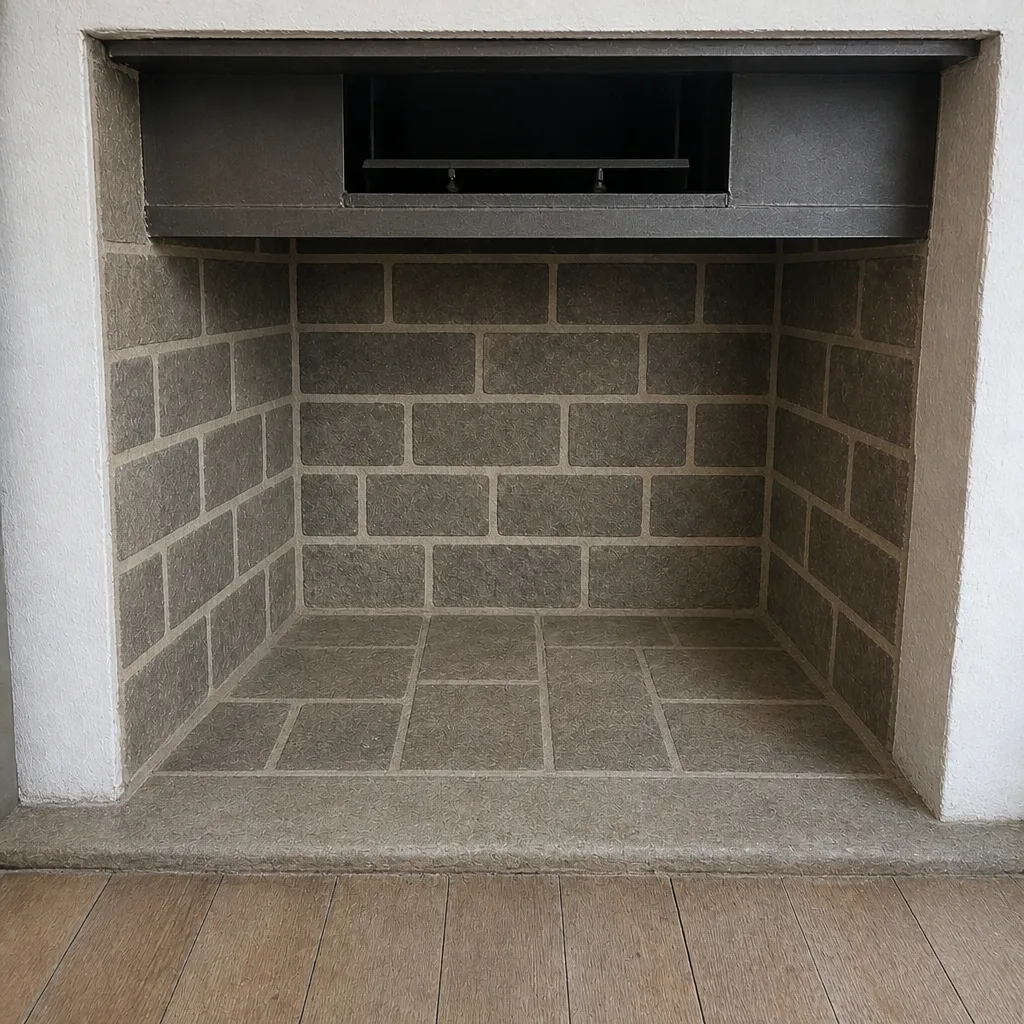
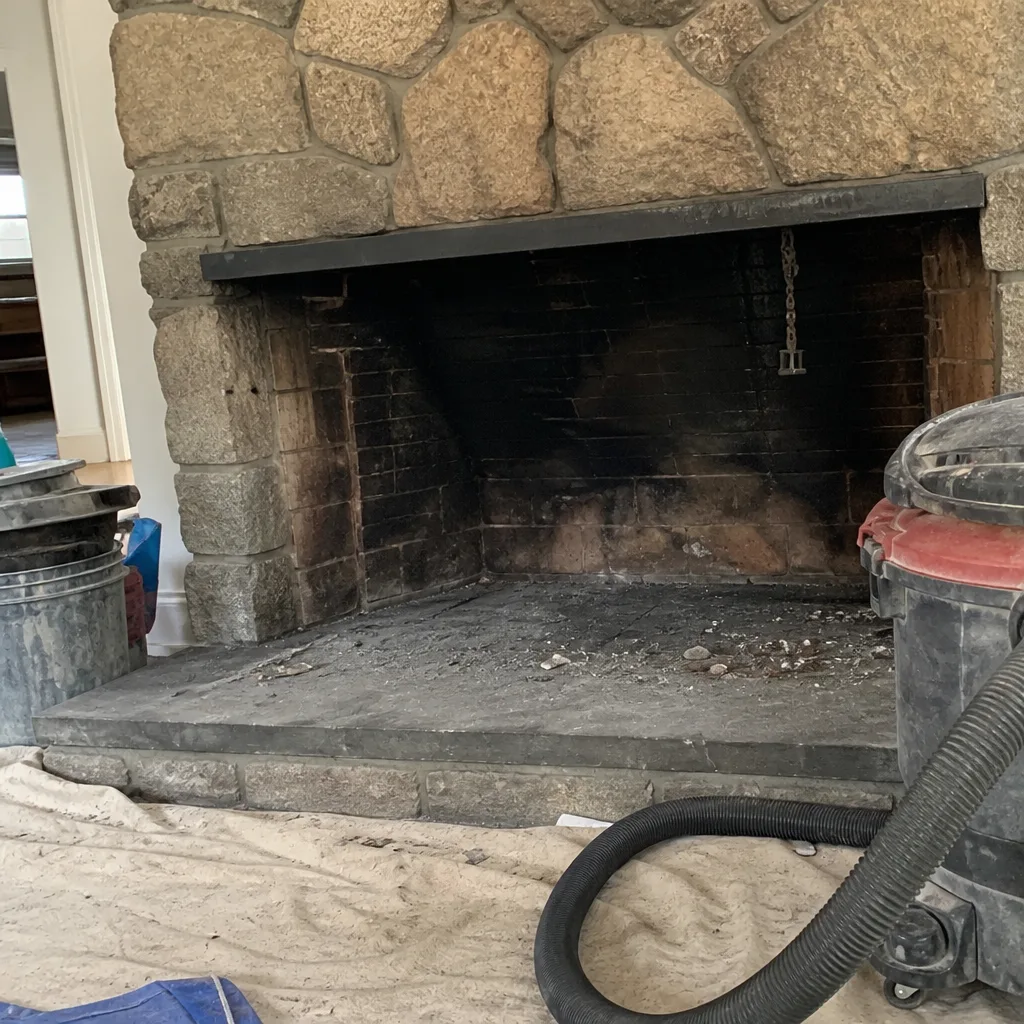
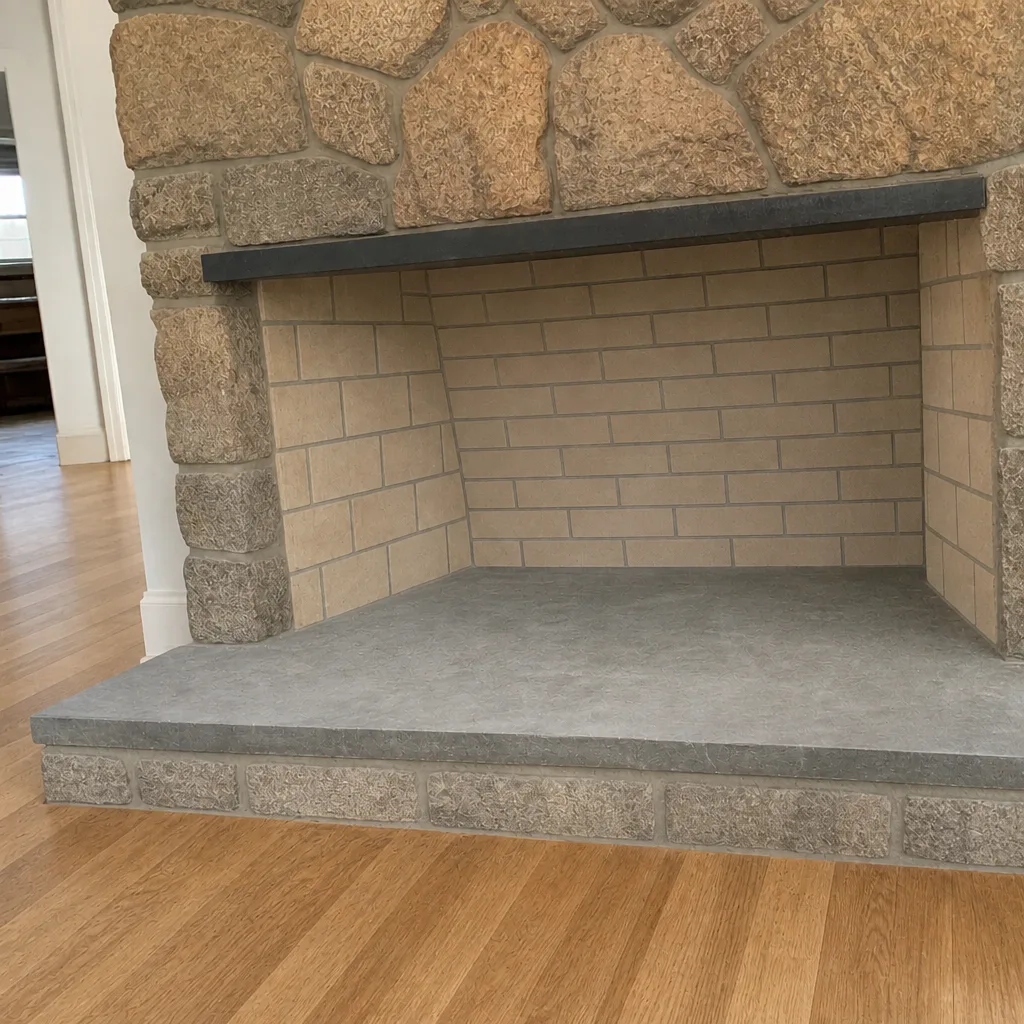
See the difference
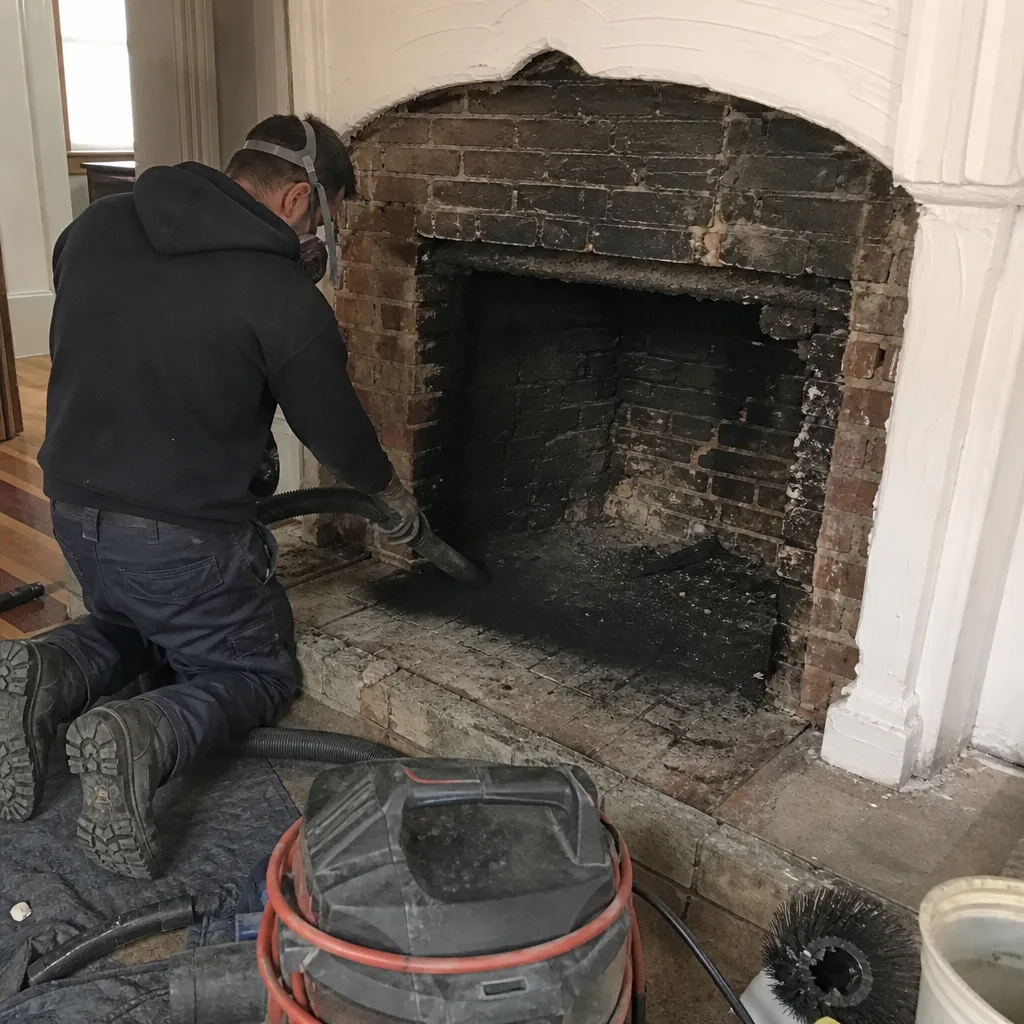 Before
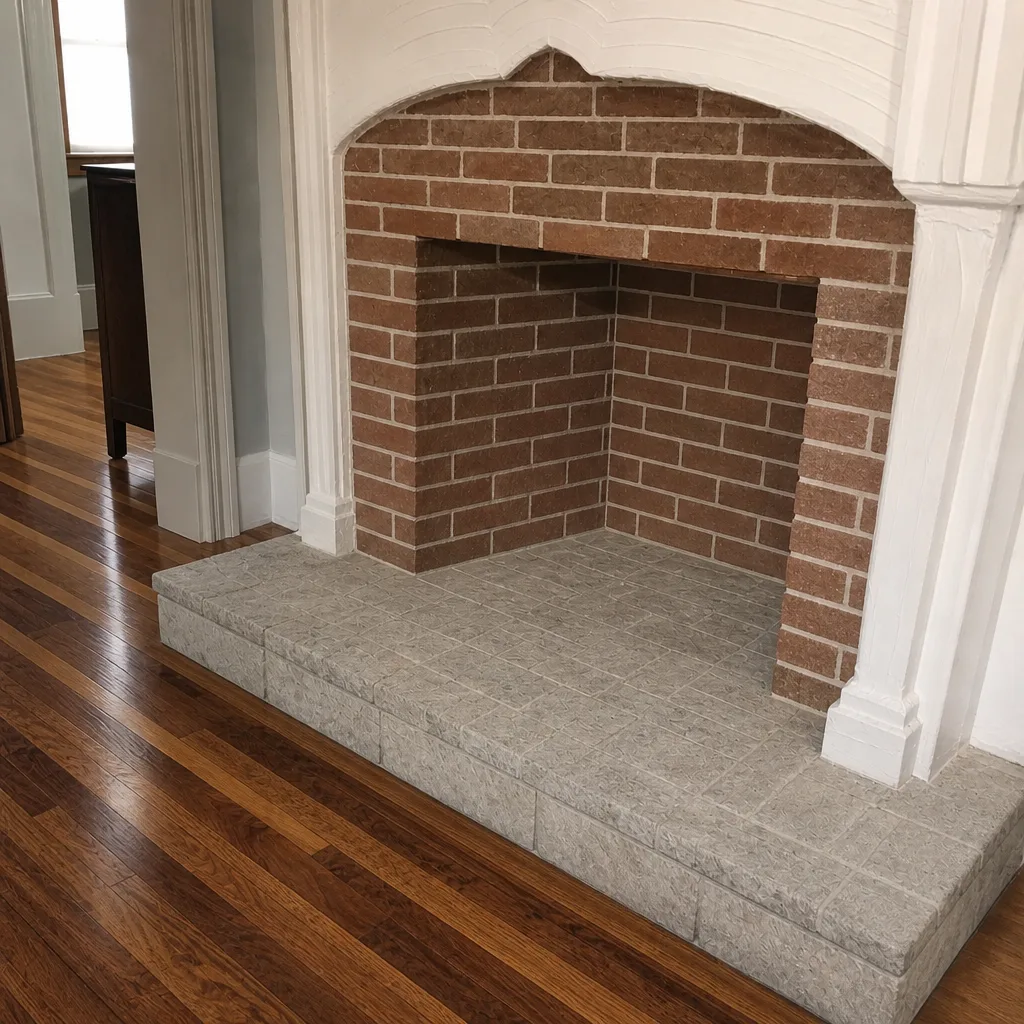 After
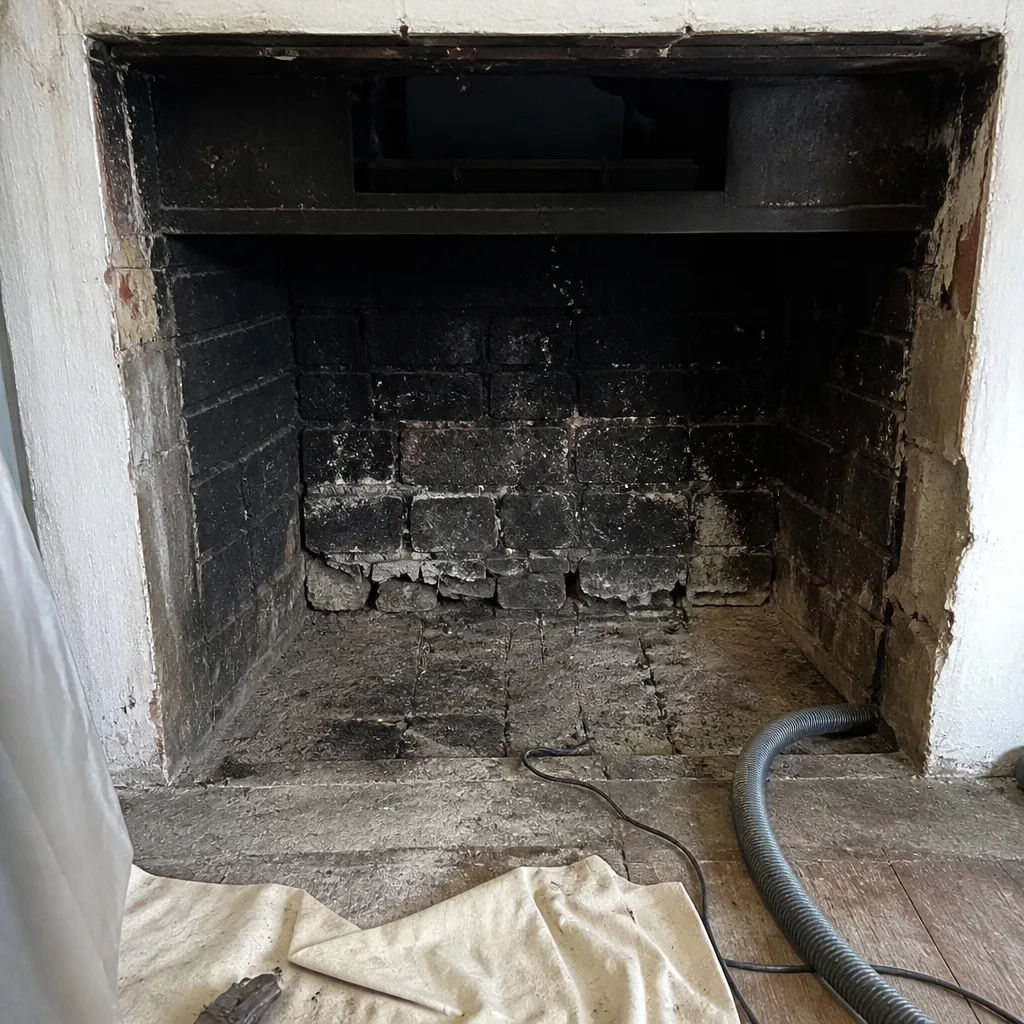 Before
 After
 Before
 After
When to Call a Professional
Call a professional when more than one sign from the same list applies, when a structural sign appears on South Beach’s humid, driven-rain weather, or when you can’t tell which list your symptoms belong to. Call immediately if you see a cracked liner, failed masonry, or water in the firebox and you’re still burning, because those are reasons to stop, not to sweep. Call before a home sale or purchase if the chimney is on the punch list, and call if your flue has glazed creosote that a brush won’t touch. Chimney Sweep South Beach offers free estimates in South Beach. Call (833) 508-9938. We answer 24/7, and fast dispatch runs from 7am to 7pm, Sunday through Friday.
Frequently Asked Questions
Cleaning signs come from inside the flue (oily summer odor, slow-drawing fire, black buildup at the damper, soot in the firebox); structural signs come from the building and weather (white staining, crumbling mortar, water in the firebox, rust streaks below the cap). If your symptoms are on the inside list, book a sweep; if they’re on the outside list, book an inspection. When you’re unsure, call (833) 508-9938 for a free estimate and we’ll help you sort it.
A smoky, oily smell in summer with the fireplace unused and the damper closed is usually creosote off-gassing as it softens in warm weather. That points to a cleaning need. If the smell appears only when the fire is lit or when another fan in the house runs, suspect a draft or damper issue instead. Either way, call (833) 508-9938 and we’ll narrow it down on site.
Yes. South Beach’s humid air and wind-driven rain push corrosion and moisture problems faster than a drier climate does, so rust streaks from a failing cap and returning efflorescence on the brick show up sooner. Both are structural signals, and both trace back to the top of the chimney. Call (833) 508-9938 and we’ll check the cap, crown, and flashing where these problems start.
Glazed, third-degree creosote is hard, shiny, and fused to the flue wall, and it’s the kind that can ignite. It does not brush off, so a DIY sweep won’t remove it and can make the flue look clean when it isn’t. That’s a job for a trained sweep with the right method. Call (833) 508-9938 before you burn again.
You can, and it’s worth doing. From the sidewalk, look for a missing or rusted cap, a crumbling or cracked crown edge, mortar missing from the joints, and flashing that’s lifted or rusted at the roofline. Any of those means a structural inspection is due. Call (833) 508-9938 for a free estimate and we’ll inspect what you spotted.
If the chimney is on the punch list, an inspection gives buyer, seller, and insurer a documented picture, and ours are designed to meet real estate transaction and insurance documentation needs. A written report that separates cleaning items from structural items prevents misquotes on both sides. Call (833) 508-9938 to schedule before closing.
The Bottom Line
The warning signs a chimney gives you belong on two lists, and the cost of confusing them is paying for a sweep that never touches the real problem. Creosote signs (summer odor, poor draw, black buildup at the damper) mean clean the flue. Structural signs (white staining, crumbling mortar, water in the firebox, rust below the cap) mean repair the chimney, starting at the top. In South Beach, humidity and wind-driven rain make the structural signs show up early and return fast, so watch the cap, crown, and flashing. Match the sign to the right appointment, and stop burning the moment a liner or masonry problem appears.
If you’re not sure which list your chimney is on, call (833) 508-9938 for a free estimate. Chimney Sweep South Beach handles inspection through repair, with professional-grade materials including DuraFlex, HeatShield, Gelco, Olympia Chimney, Famco, and Copperfield, and our technicians have up to 14 years of experience. We answer 24/7. Fast dispatch from 7am to 7pm, Sunday through Friday.
Written by the team at Chimney Sweep South Beach.