
Last updated November 25, 2026
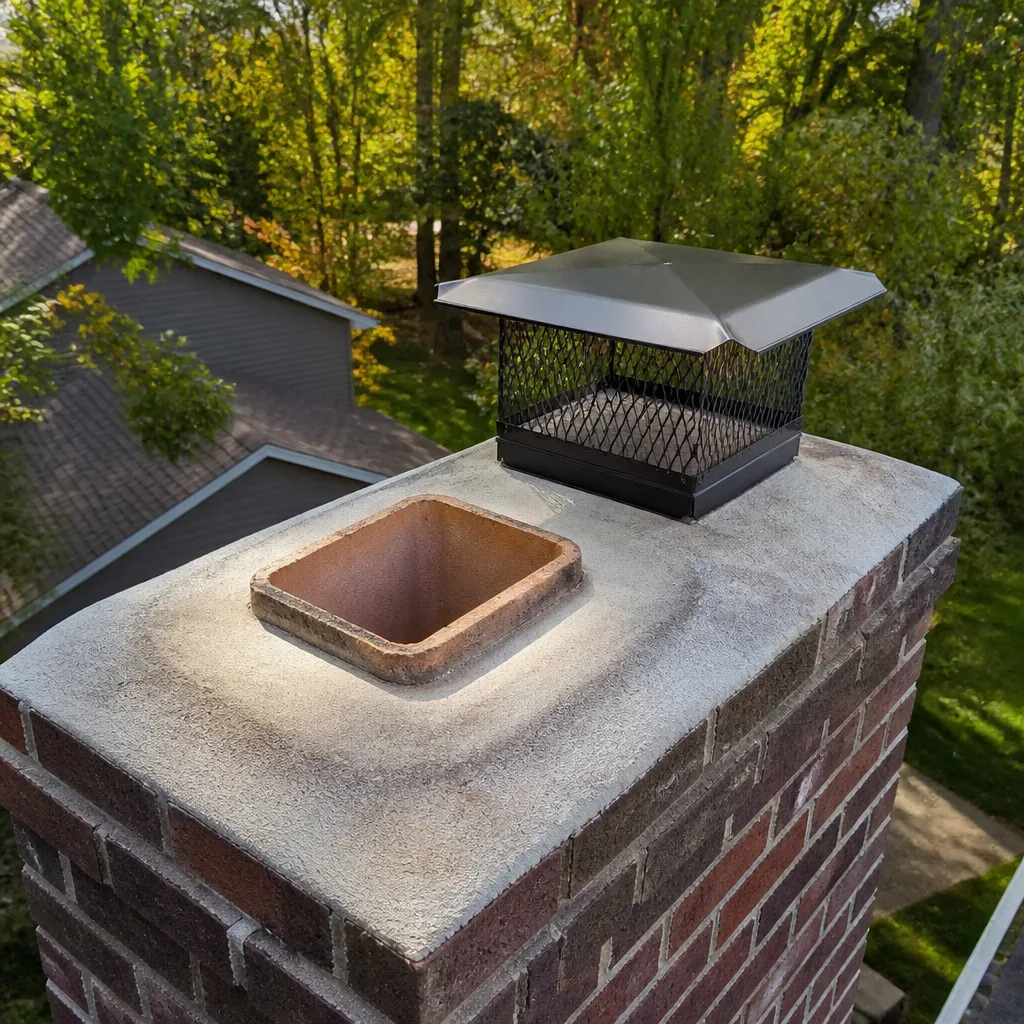 Sweep & inspection
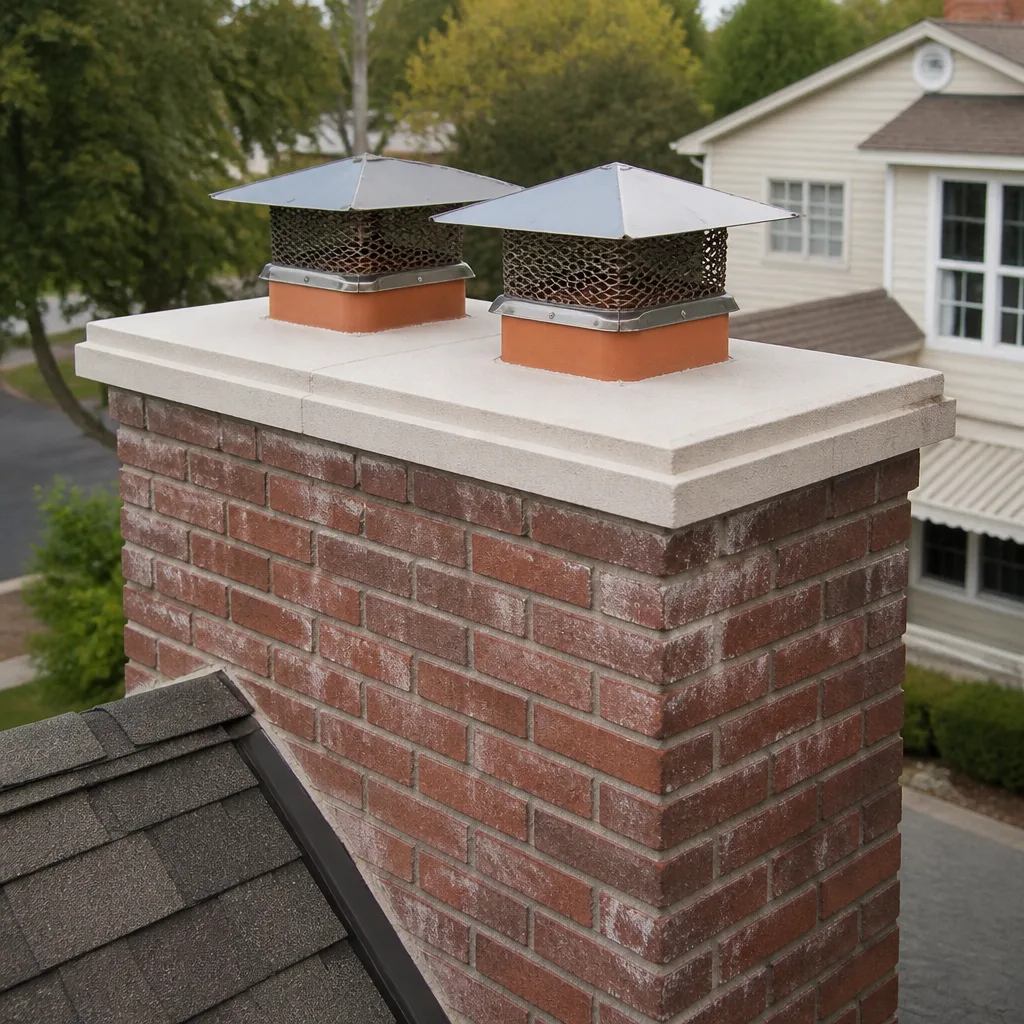 Caps & crowns
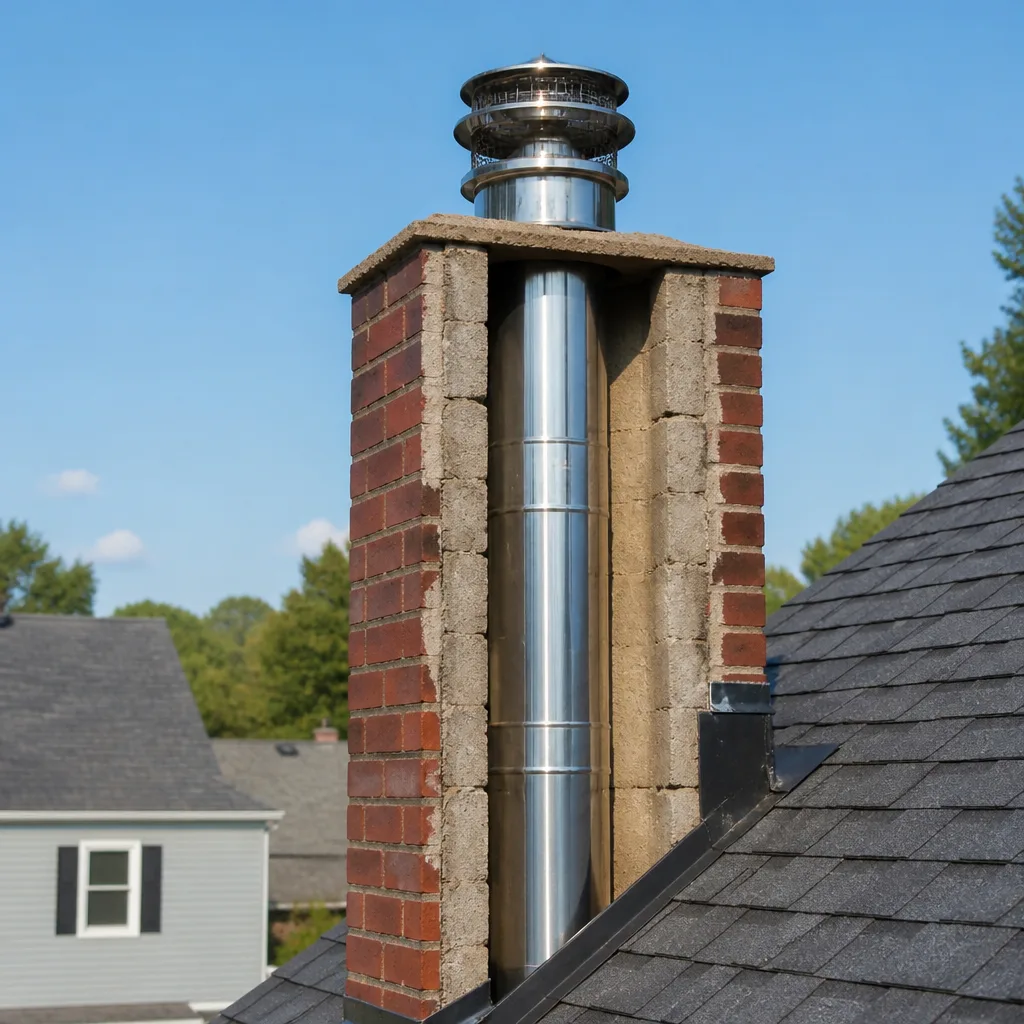 Flue relining
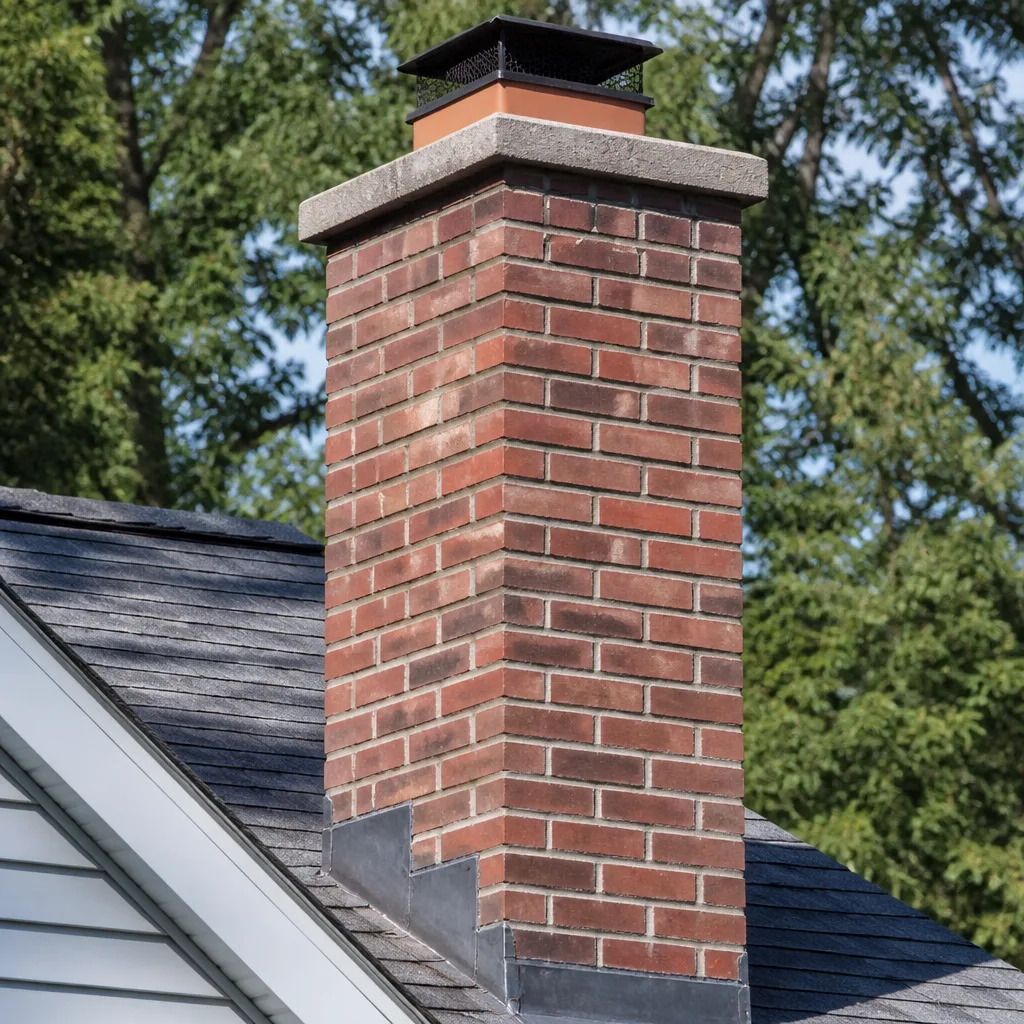 Masonry repair
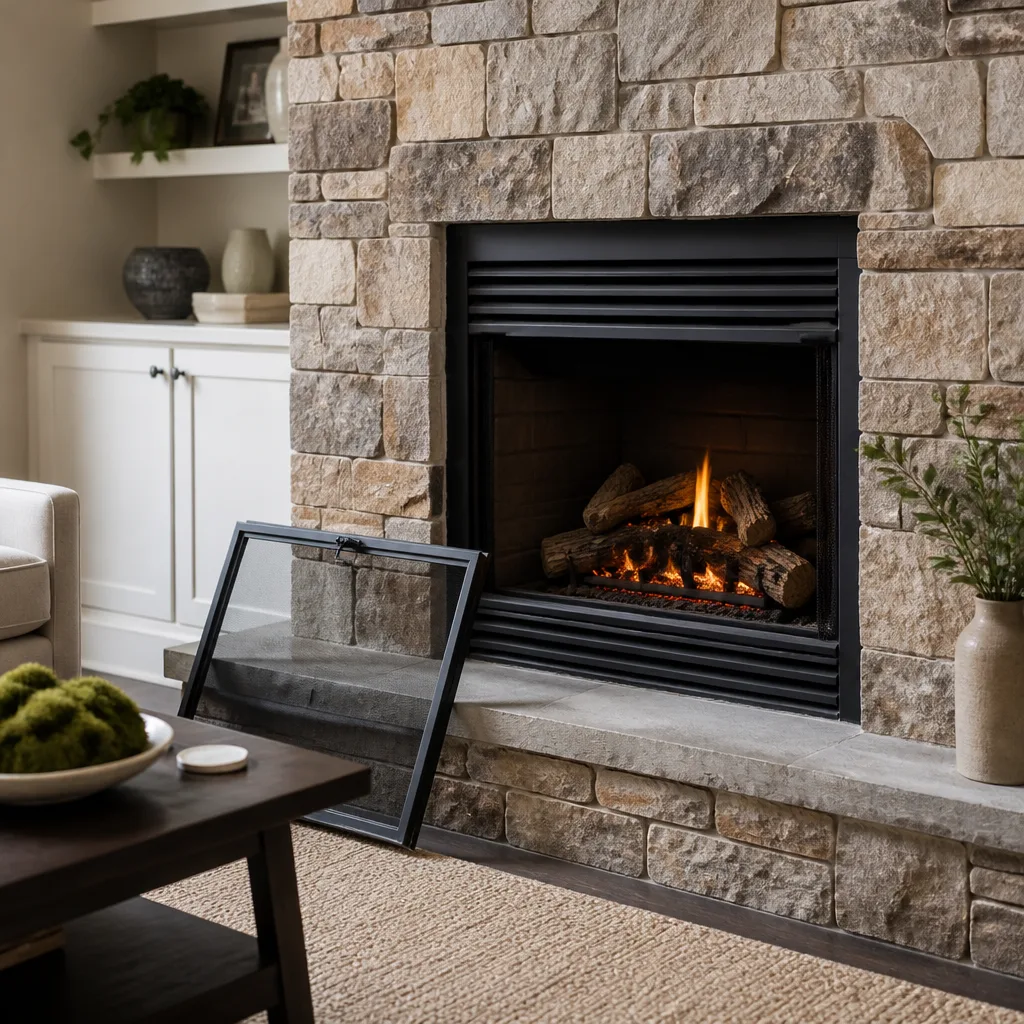 Gas fireplace service
Level 1 sweep and inspection to the NFPA 211 annual standard - flue, crown, cap, and flashing checked and photographed
Chimney sweep logs do not sweep chimneys. They loosen some creosote - which then falls where a brush and vacuum still have to collect it.
Chimney Sweep Maintenance Checklist for South Beach Homeowners
If your chimney maintenance checklist starts with “schedule an annual sweep,” it’s already wrong. By the time a sweep is warranted, four upstream conditions – cap integrity, crown cracking, liner spalling, and smoke chamber corbeling – should already have been assessed. That sequence matters because a chimney is a one-way system: water and combustion gases move through it in a direction, and damage propagates in that same direction. Check the firebox first and you’re reading the damage last, after the cause. Reverse the order and minor problems get caught while they’re still minor. This guide gives South Beach homeowners a top-down checklist built around how a chimney actually fails, separates what you can inspect from the ground from what needs a trained eye, and shows you how to log findings year over year so a technician can see a trend instead of a single snapshot.
Quick Answer
A useful chimney maintenance checklist runs top-down in the direction water and gases travel: cap, then crown, then liner, then smoke chamber, then firebox, then ash dump. Homeowners should do monthly ground-level visual checks for staining, loose hardware, and efflorescence, and book a professional inspection and sweep once a year. In South Beach, that inspection also looks at freeze-thaw crown damage from winter temperatures and rust on metal caps.
Styles & brands we work with
- Sweep & inspection
- Caps & crowns
- Flue relining
- Masonry repair
- Gas fireplace service
Table of Contents
- Why the Order of Your Checklist Matters
- Monthly Ground-Level Checks You Can Do Yourself
- The Top-Down Professional Inspection Sequence
- South Beach-Specific Checklist Items
- Pass/Fail Criteria at Each Stage
- How to Log Findings Year Over Year
- Permit-Triggering Repairs vs. Maintenance Items
- Building Your Annual Calendar
Why the Order of Your Checklist Matters
Water enters a chimney at the top and travels down. Combustion gases move up from the firebox and condense on the cooler surfaces they meet along the way. Both flows have a direction, and damage follows those directions. A crown that’s cracked lets water into the masonry below it. That water reaches the liner and causes spalling, which eventually appears as flaking material in the smoke chamber and stains around the firebox. If you check the firebox first and find water staining, you’ve documented the last symptom, not the first cause.
The same logic holds for combustion gases. A liner with a gap at a joint lets gases escape into the masonry cavity. Those gases carry creosote and moisture, and they leave residue and corrosion on the chimney interior long before a smoke chamber problem shows up. A technician who reads the chimney from the firebox outward sees the residue but may not find the joint. A technician who reads from the cap down sees the gap and knows to look for the residue below.
Getting the sequence right isn’t academic. Reversing it is how a homeowner ends up paying to repair a symptom while the actual source keeps working. A crown crack that costs relatively little to seal today can allow enough water infiltration over a few seasons to damage the liner and the smoke chamber mortar, and the repair scope grows accordingly. The checklist below fixes the order so the assessment tells you where the problem actually is.
Monthly Ground-Level Checks You Can Do Yourself
You don’t need to get on the roof to catch most developing problems. A set of monthly visual checks from the ground and from inside the firebox covers the items that change fastest, and they take about ten minutes. What you’re looking for is change – something that looks different this month than last.
- Look at the cap from the yard. A metal cap should sit level and square on the crown. A cap that’s tilted, has a loose mesh screen, or shows rust streaks on the flue tile below it is asking for a closer look. A missing or damaged cap is the single easiest entry point for water, birds, and debris.
- Scan the crown edge for cracks. Stand back far enough to see the top of the chimney. Look for any visible line across the concrete crown, especially where the crown meets the flue tile. Hairline cracks are normal; open cracks that hold a shadow are not.
- Check the exterior masonry for staining. White, powdery stains on the brick or mortar – efflorescence – indicate moisture has moved through the masonry and evaporated at the surface. Dark stains below the crown or at a joint suggest water is running down a specific path.
- Look inside the firebox. Shine a light up past the damper. Look for flaking material, rust-colored streaks, or dark residue on the smoke shelf. Note anything that wasn’t there last month.
- Check for drafts and odors when the fireplace is off. A cold, smoky smell on a still day is normal in some homes and a sign of a blocked flue or a failing cap seal in others. Note when it happens and whether it changes.
- Note any water inside the firebox after rain. Even a small amount is worth writing down. It tells a technician exactly where to look.
Record what you see, including the date. A note that says “efflorescence appeared on the north face, roughly doubled in area by month three” gives a professional something to work with. “There’s some white stuff on the bricks” does not.
The Top-Down Professional Inspection Sequence
A proper chimney inspection follows the direction of water and gas travel. At Chimney Sweep South Beach, the sequence below is what our technicians work through, and it’s the order to ask about when you book a chimney sweep and inspection. Each stage tells you what to look at in the stage below it.
- Cap. Is it present, correctly sized, level, and intact? Is the mesh screen whole? Is the cap attached securely, or is it loose enough to move in wind? A cap that’s missing or compromised is the first thing to document because everything below it is downstream of that failure.
- Crown. Is the concrete crown sloped away from the flue, or does it hold water? Are there cracks, and how wide? Is the crown bonded to the flue tile at the joint, or has it separated? A crown that fails here directs water straight into the masonry below.
- Liner. Is the flue lining continuous, or are there gaps at joints, spalling, or visible cracks? Clay tile liners crack from heat cycles and settle unevenly. Stainless liners can develop joint problems or corrosion. This is the stage where what the crown let through becomes visible.
- Smoke chamber. Is the corbeling intact, or has mortar fallen? Is the smoke shelf clear? Is the chamber smooth enough that gases move up and out rather than curling and slowing? A rough or damaged smoke chamber is a common cause of a fireplace that smokes into the room.
- Damper and firebox. Does the damper open and close fully and seal? Is the firebox masonry sound, or are there cracks, spalled bricks, or gaps at the mortar joints? Firebox damage is often the visible end of water that entered higher up.
- Ash dump and cleanout. Is the ash dump door sealed and operable? Is the cleanout clear, or is it packed with debris that signals the flue hasn’t been cleaned in some time?
Reading the chimney in this order lets a technician tell you not just what’s damaged but in what sequence the damage likely occurred. That’s the difference between a repair plan and a guess.
South Beach-Specific Checklist Items
South Beach’s winter weather brings freeze-thaw cycles, and those cycles take a particular toll on chimney exteriors. Water gets into a crack or a porous mortar joint during a thaw, then freezes and expands when temperatures drop. Every cycle widens the opening a little more. That’s why a crown crack that looks minor in July can be noticeably wider by February, and why chimney maintenance in South Beach should include a follow-up look after the coldest stretch of the season.
Metal chimney caps in South Beach face the same conditions. Rust that starts on a cap’s seams or on the mesh screen is worth catching early, because a rusted-through screen doesn’t keep birds or rain out. A cap with rust bleeding down onto the flue tile below is also telling you the water is getting somewhere it shouldn’t. When we replace a cap, we use a professional-grade component – brands like Gelco or Olympia Chimney – because the cap has to hold up to years of freeze-thaw without the seams giving way. The right product for the right repair matters most on the parts that face weather directly.
Efflorescence is the third South Beach-specific item to watch. Those white, powdery stains on brick or mortar are salt deposits left behind when moisture moves through masonry and evaporates at the surface. In a South Beach home, efflorescence on the chimney exterior is a moisture-infiltration indicator, not a cosmetic issue. It’s telling you water is getting into the masonry, and the usual source is above – a crown crack, a failed cap, or a joint that’s opened up. Tracking when it appears and how fast it spreads gives a technician a clue about how active the infiltration is. If you see efflorescence that’s new or growing, add it to your log with a date and note which face of the chimney it’s on.
Pass/Fail Criteria at Each Stage
“Looks fine” isn’t a pass. Each stage of the checklist has specific conditions that mean the chimney passes this year, and specific conditions that mean it doesn’t. Here’s what a technician is measuring at each stage of a South Beach chimney inspection.
- Cap – pass: present, level, sized to the flue, mesh intact, securely fastened, no active rust-through. Fail: missing, loose, tilted, mesh torn or rusted through, or rust staining on the flue tile below.
- Crown – pass: sloped away from the flue, no open cracks, bonded to the flue tile. Fail: open cracks that hold a shadow, a flat or dished surface that holds water, separation from the flue tile, or spalling concrete.
- Liner – pass: continuous, no gaps at joints, no spalling or visible cracks. Fail: visible joint gaps, spalled clay tile, cracks, or a liner that’s missing in sections. A camera inspection is the reliable way to confirm this stage.
- Smoke chamber – pass: corbeling intact, no loose mortar, smoke shelf clear. Fail: fallen mortar, a rough or broken corbel, or debris sitting on the smoke shelf.
- Firebox – pass: masonry sound, no cracks that penetrate the brick, damper operates and seals. Fail: cracks, spalled brick, gaps at mortar joints, or a damper that won’t close.
- Ash dump – pass: door sealed and operable, cleanout clear. Fail: door stuck or damaged, or the cleanout packed with debris.
Any “fail” at a stage means the stages below it get looked at more carefully, because that’s where the consequences show up. A camera inspection with photos means you can see what the technician sees and judge the severity for yourself.
How to Log Findings Year Over Year
A single inspection is a snapshot. Three inspections in a row, logged consistently, are a trend – and a trend tells you whether a problem is stable or getting worse. That distinction is what separates a $200 maintenance visit from a repair plan you can defer or budget for versus one that needs to happen now. Documentation is where a lot of homeowners leave value on the table.
Keep a folder – paper or digital, whichever you’ll actually use – and file each inspection report along with your own monthly ground-level notes. The format matters less than the consistency. For each item on the checklist, record the date, the finding, and the severity in plain terms: “crown crack, small, on the south face” one year and “crown crack, expanded to roughly a hand’s width, south face, spalling at the edge” the next tells a technician something the second report alone would not.
Photograph the same angles every time. Standing in the same spot in the yard and shooting the same view of the cap and crown lets a technician compare images side by side. Interior photos from a camera inspection live in the same folder. If you’ve had a fireplace repair done, keep the paperwork from that too – what was repaired, with what material, and when.
This record does double duty at a real estate transaction. A buyer or seller who can produce a documented inspection history, with photos and prior repairs on file, makes a smoother transaction than one starting from nothing. Our chimney inspection services are designed to meet real estate transaction and insurance documentation needs, precisely because the file matters as much as the inspection.
Permit-Triggering Repairs vs. Maintenance Items
Not every checklist finding is a repair, and not every repair needs a permit. Sorting them correctly keeps you from overreacting to normal wear and helps you plan for the items that do require paperwork. Most municipalities require a permit for structural chimney work, so the practical rule is: if the work touches the structure of the chimney rather than its surface, ask your local building department whether it needs a permit.
Findings that are typically maintenance items, addressed without a permit:
- Cleaning the flue and firebox
- Replacing a rusted or loose chimney cap
- Sealing hairline cracks in the crown with a suitable sealant
- Replacing a damaged damper
- Clearing a blocked ash dump or cleanout
- Repointing small mortar joints on the exterior
Findings that usually involve structural work, where a permit is commonly required:
- Rebuilding a crown that has separated from the flue tile or lost its slope
- Relining a chimney that has spalled or cracked sections
- Rebuilding the smoke chamber corbeling
- Rebuilding firebox masonry
- Major chimney reconstruction or removal of a section
Permit requirements vary by municipality, so the answer for a specific South Beach address comes from your local building department, not from a checklist. What matters is that a proper inspection identifies which category a finding falls into before you’re deciding how to treat it. The same company that finds the problem can fix it, which means the categorization doesn’t get lost in a handoff between the inspector and a contractor. If the work involves a liner, we use systems like HeatShield for in-place restoration or DuraFlex flexible liners where a reline is needed, both of which are professional-grade products chosen for the specific repair rather than whatever’s on hand.
Building Your Annual Calendar
The checklist sequence stays the same every year; only the timing changes with the seasons. Here’s how to schedule the work so it lines up with the way a South Beach chimney actually ages.
- Late summer or early fall – full professional inspection. Book before your first fire of the season, so any issue is identified and addressed before you’re relying on the fireplace. This is the top-down inspection described above, with photos added to your log.
- Before burning season – sweeping if warranted. A sweep follows the inspection, not before it. The inspection tells you whether the flue has enough creosote accumulation to need cleaning; the sweep clears it so the fireplace is ready for the season.
- After the coldest stretch – a follow-up exterior look. Freeze-thaw cycles do their damage over winter. A quick look at the crown and cap in late winter catches cracks that opened after the fall inspection, before spring rains find them.
- Every month – your own ground-level checks. The six-point monthly routine above, logged with dates.
- Any change – note it immediately. New stains, new odors, new drafts, new water in the firebox. A note taken the day you notice it is worth three taken from memory.
For the exterior parts of the system, plan on a periodic look at the chimney cap & crown specifically, since those are the components most exposed to South Beach’s weather. When you’re ready to book, Chimney Sweep South Beach handles inspection, sweeping, repair, and cap and crown work under one provider, so the sequence doesn’t get interrupted by a handoff. Our technicians have up to 14 years of experience working on chimneys in this climate, and the standard every visit is held to is simple: safe to burn.
Common Mistakes to Avoid
- Starting with the sweep instead of the inspection. A sweep cleans the flue; it doesn’t assess the cap, crown, or smoke chamber. Sweeping first and inspecting later means the inspection happens on a clean flue and the assessment of upstream conditions gets deferred to next year. Book the inspection first.
- Checking the firebox before checking the cap. Water staining in the firebox points to a cause higher up. If you document the staining without looking at the crown and cap, you’ve found the symptom and lost the source.
- Treating efflorescence as cosmetic. White staining on South Beach chimney brick means moisture is moving through the masonry. Sealing the surface without fixing the source – usually a crown crack or a failed cap – traps the moisture inside, where it keeps doing damage.
- Assuming a cap that’s “still there” is doing its job. A cap with a rusted-through mesh or a loose attachment isn’t keeping rain or birds out. Check the mesh and the fasteners, not just the presence of the cap.
- Keeping no written record. Without last year’s findings to compare against, this year’s inspection can only tell you what’s wrong now, not whether it’s getting worse. A single dated note and photo per season fixes this.
- Ignoring winter damage until spring. A crown crack that opens during a February freeze-thaw is easier to address before spring rainworks its way in. A late-winter exterior look catches it while it’s still small.
- Confusing maintenance with structural repair. Resealing a hairline crown crack is maintenance. Rebuilding a crown that’s separated from the flue tile is structural work that may need a permit. Sorting the two correctly keeps you from underestimating a repair or overreacting to normal wear.
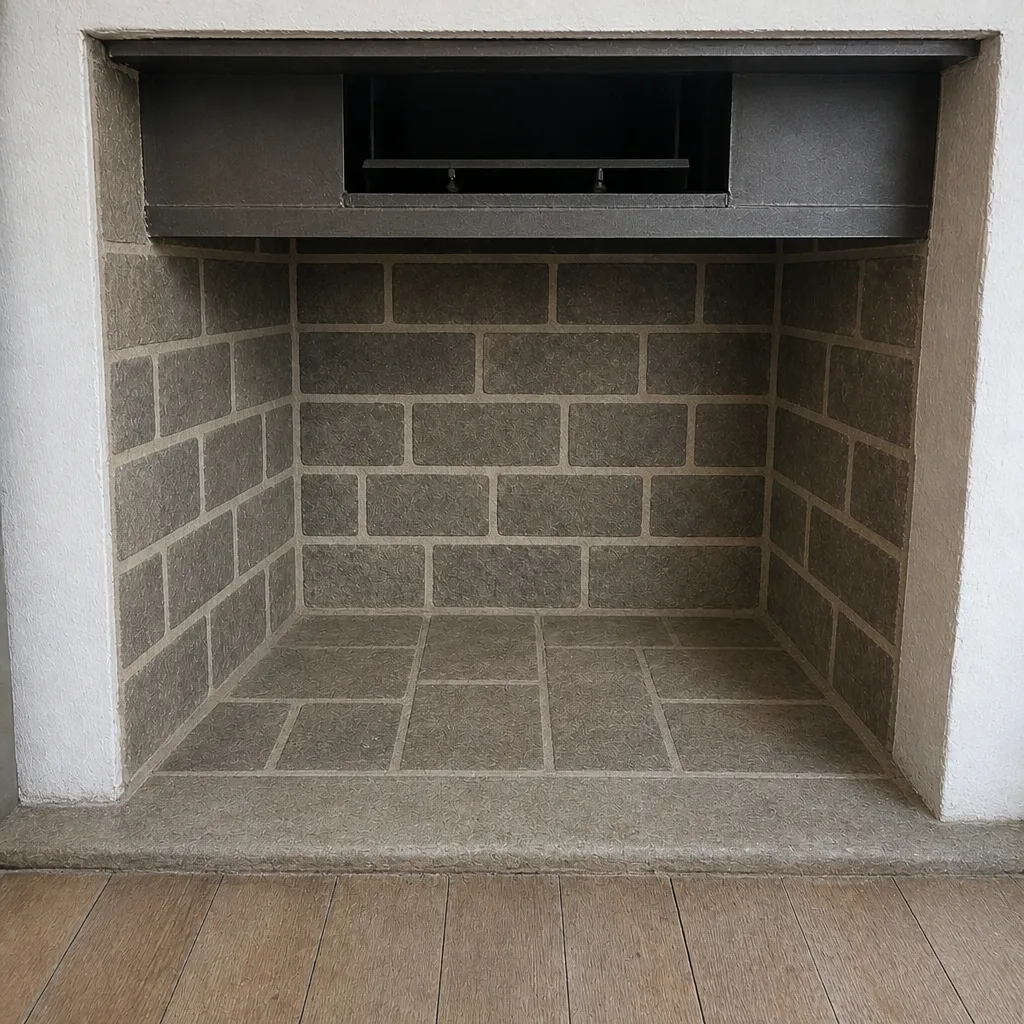
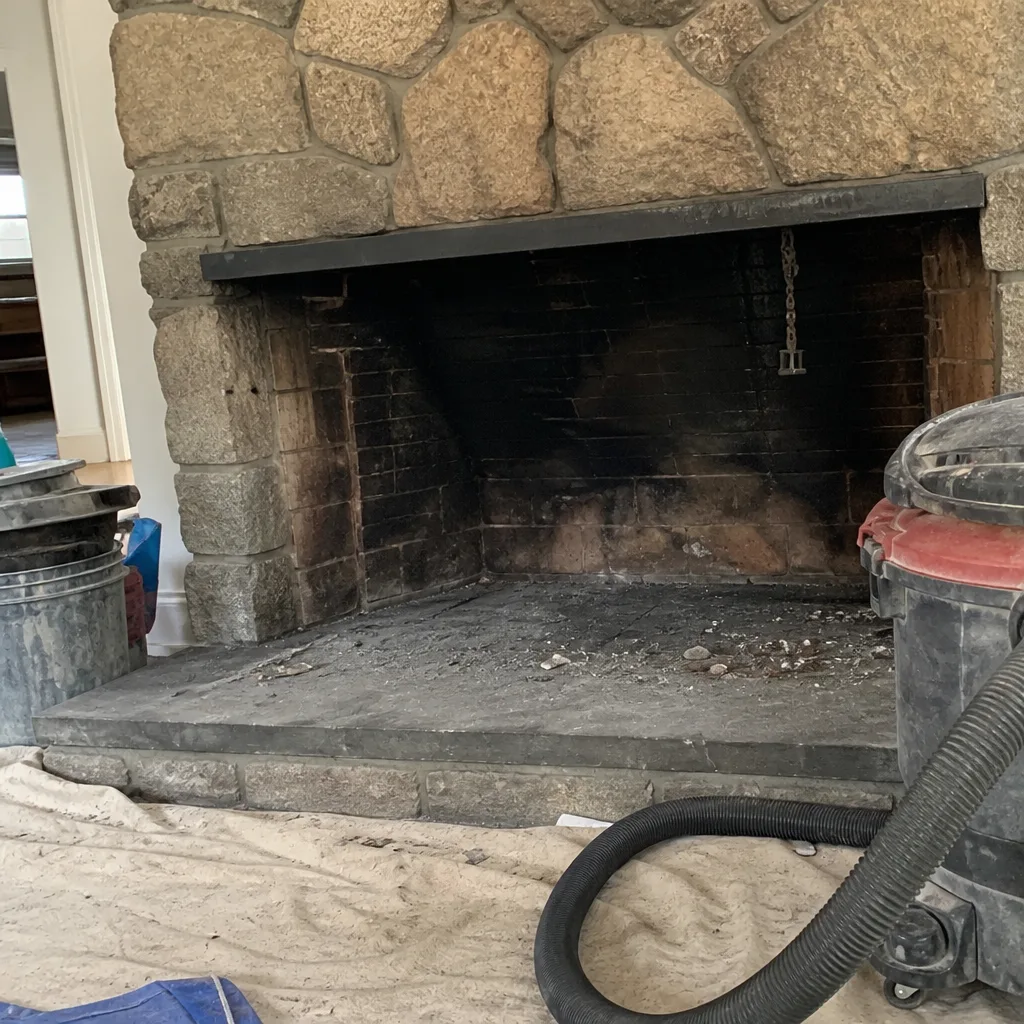
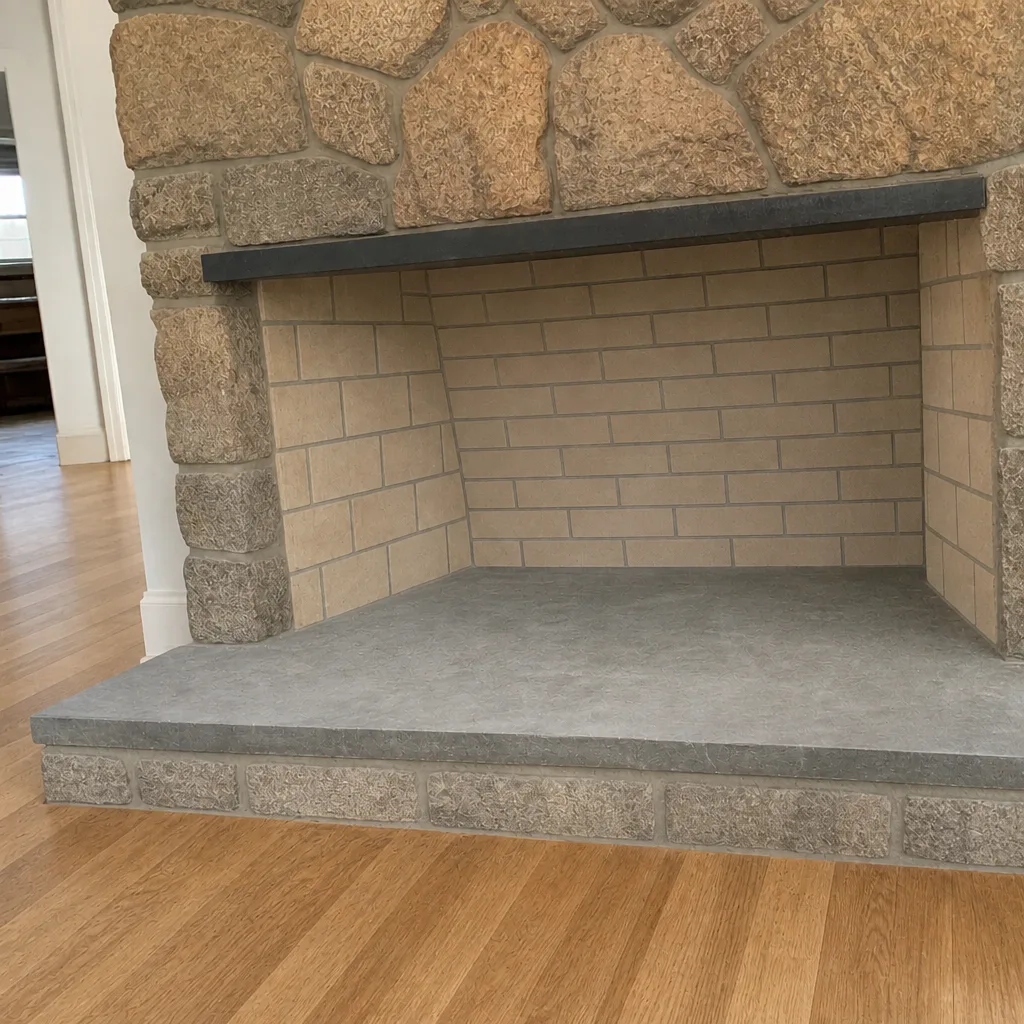
See the difference
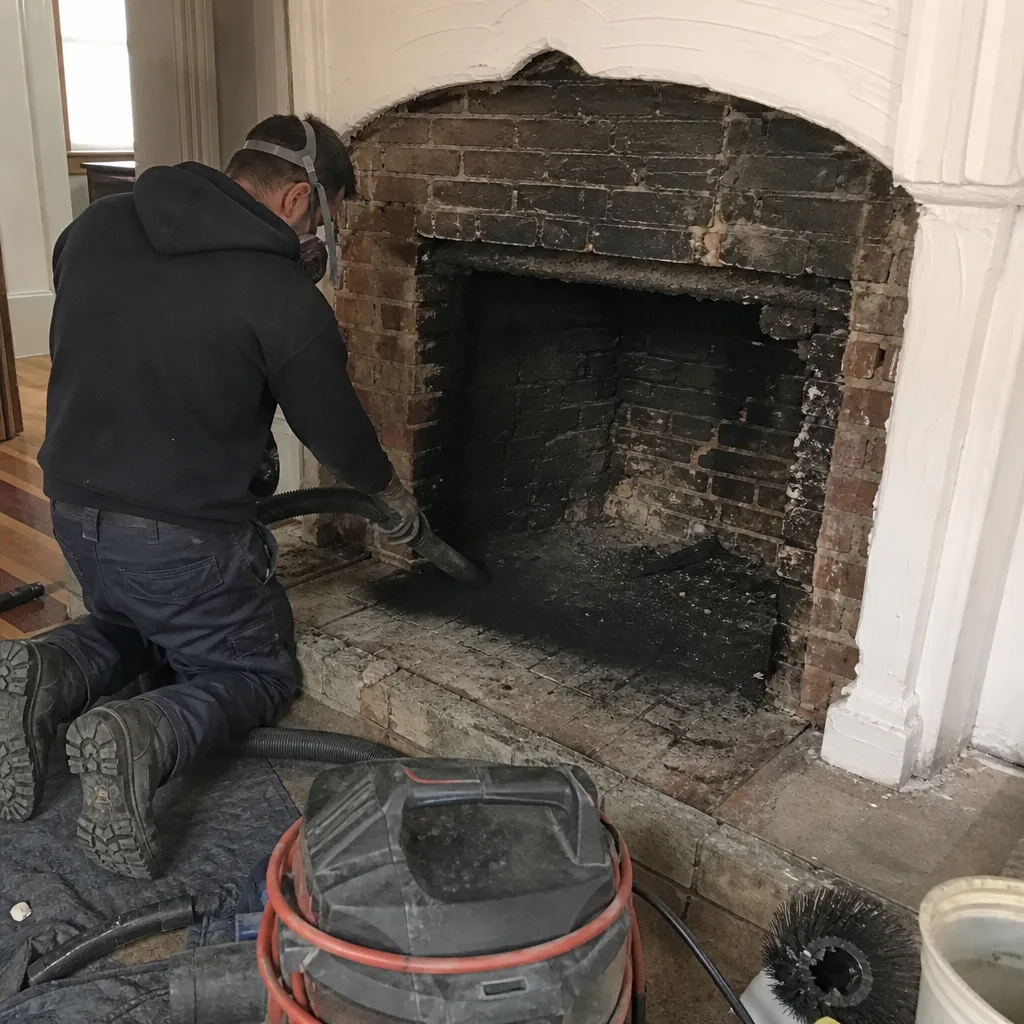 Before
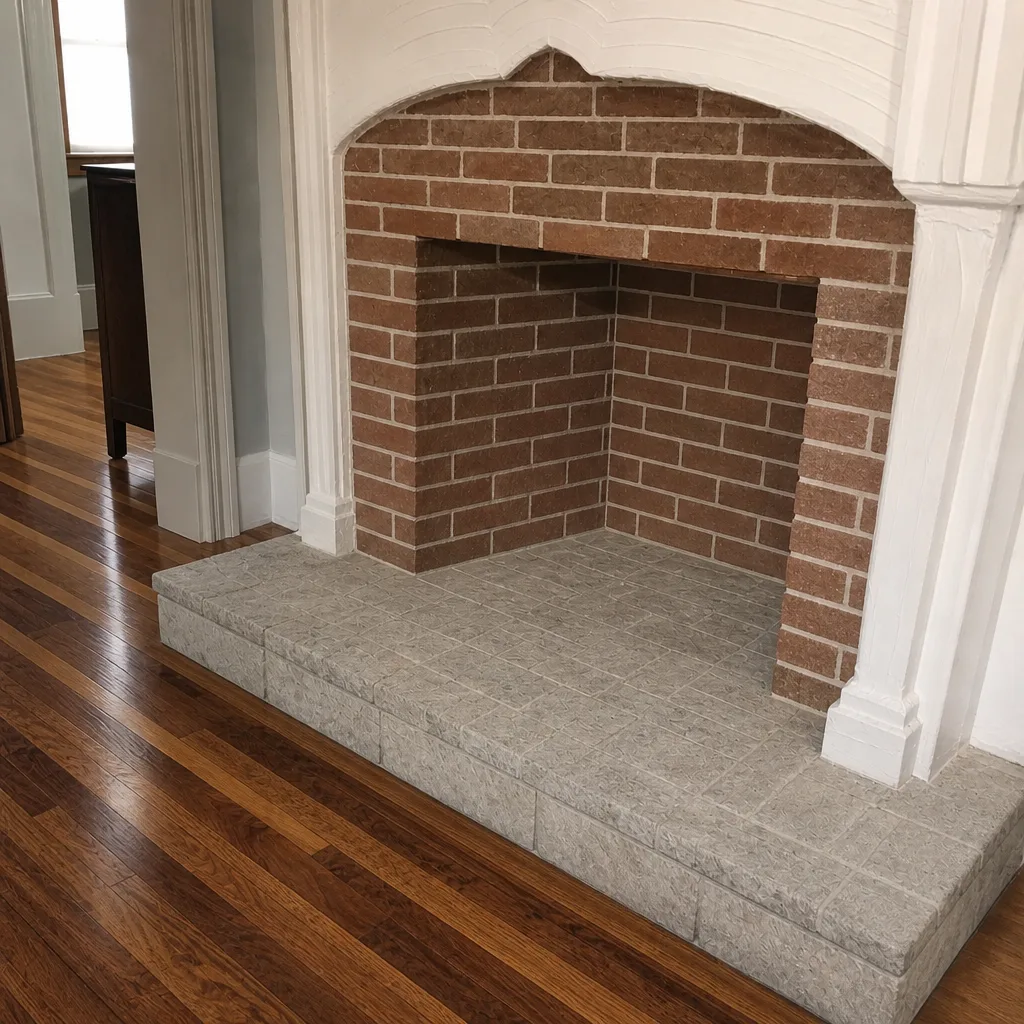 After
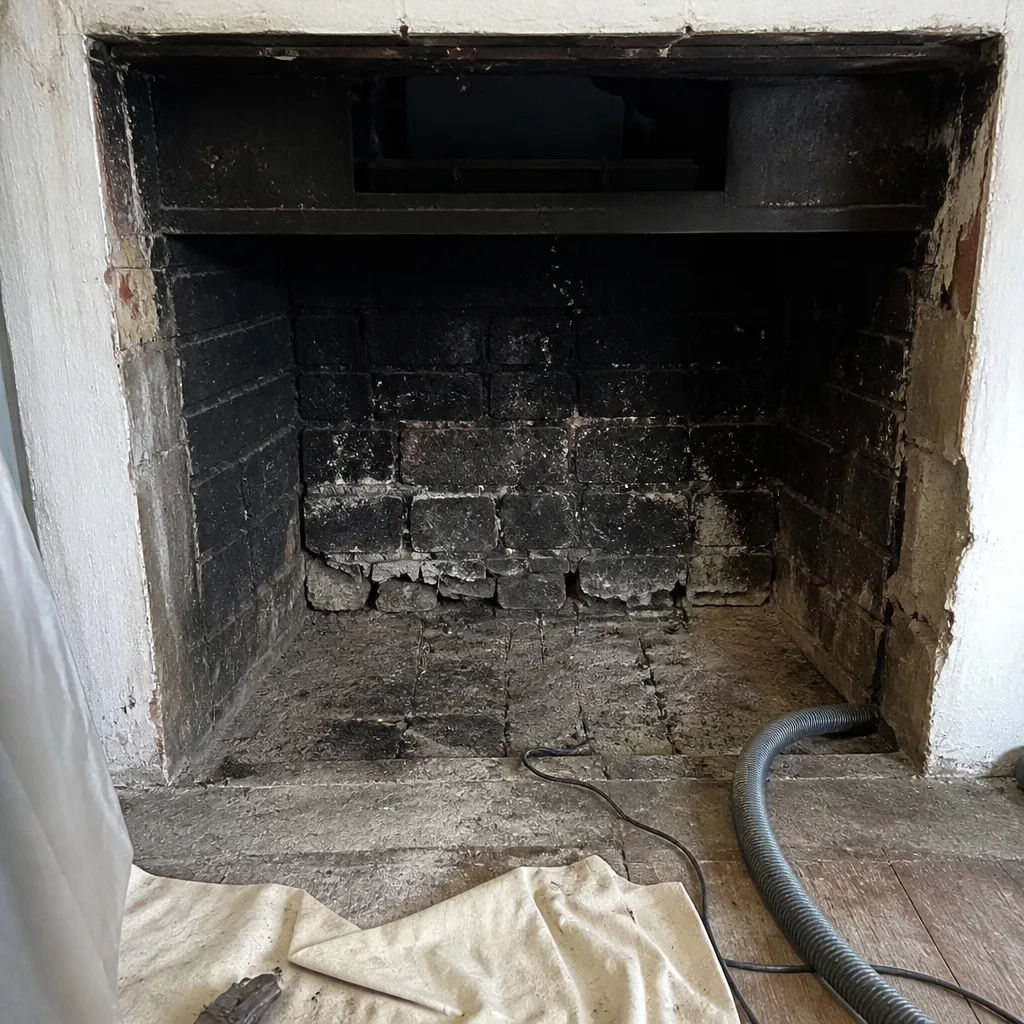 Before
 After
 Before
 After
When to Call a Professional
Some checklist findings need a trained eye and some need a repair plan. Call a professional when you find any of the following: open cracks in the crown that hold a shadow, a cap that’s loose, tilted, or rusted through, efflorescence that’s new or growing, water in the firebox after rain, a damper that won’t close, a fireplace that smokes into the room, or flaking or spalling material visible above the damper. Call before your first fire of the season if you haven’t had the chimney inspected within the year. Chimney Sweep South Beach offers free estimates in South Beach – call (833) 508-9938. Estimates are per job and set by the written estimate, and a camera inspection with a photo report is included so you can see the findings for yourself. Call (833) 508-9938. We answer 24/7. Fast dispatch from 7am to 7pm, Sunday through Friday.
Frequently Asked Questions
Once a year is the usual recommendation for a chimney in regular use, and more often if you burn frequently or notice heavy creosote buildup. The sweep itself follows an inspection, which is what determines whether the flue has reached the point where cleaning is needed. Book the inspection first, then the sweep if warranted. Call (833) 508-9938 for an exact quote – estimates are free.
The cap, the crown, the exterior masonry for staining, the firebox interior, drafts and odors, and any water in the firebox after rain. These six ground-level checks take about ten minutes and should be done monthly, with notes and dates kept for comparison. They catch change over time, which is what a professional needs to see. Call (833) 508-9938 if anything looks different from last month.
Efflorescence is the white, powdery staining left when moisture moves through masonry and evaporates at the surface, and on a chimney it’s a moisture-infiltration indicator. It typically points to a source above – a crown crack, a failed cap, or an open joint. It’s not cosmetic. Call (833) 508-9938 for an inspection to trace the source – estimates are free.
It depends on the scope. Replacing a rusted cap or sealing hairline crown cracks is typically maintenance that doesn’t require a permit. Rebuilding a crown that’s separated from the flue or relining a damaged chimney usually involves structural work that commonly requires a permit. Ask your local building department about the specific job. Call (833) 508-9938 if you want the scope assessed first – estimates are free.
Keep a dated record for each checklist item – what you saw, where on the chimney, and how severe it looked – plus photos taken from the same angles each time. File each professional inspection report alongside your notes and any repair paperwork. A contractor can then see deterioration trends, not just current-state snapshots. Call (833) 508-9938 to book an inspection with a photo report.
A chimney is a one-way system, and water and combustion gases travel through it in a direction. Inspecting from the cap down follows that direction and lets a technician see the cause before the symptom. Inspecting from the firebox up finds the damage but loses the source, which is why minor issues get treated as major repairs. Call (833) 508-9938 for a top-down inspection – estimates are free.
The Bottom Line
A chimney maintenance checklist works because of its sequence, not its length. Top-down, from cap to crown to liner to smoke chamber to firebox to ash dump, follows the direction water and gases actually move and lets you find causes before symptoms. For South Beach homeowners, add the local items: freeze-thaw crown cracks, rust on metal caps, and efflorescence as a moisture signal. Do the six monthly ground-level checks yourself, book the annual professional inspection before burning season, and take a late-winter look at the exterior after the freeze. Log everything with dates and photos so next year’s inspection can read a trend. And treat the checklist as a planning tool, not a substitute for a trained eye at the top of the chimney. Call (833) 508-9938 for a free estimate. We answer 24/7. Fast dispatch from 7am to 7pm, Sunday through Friday.
Written by the team at Chimney Sweep South Beach.