
Last updated November 25, 2026
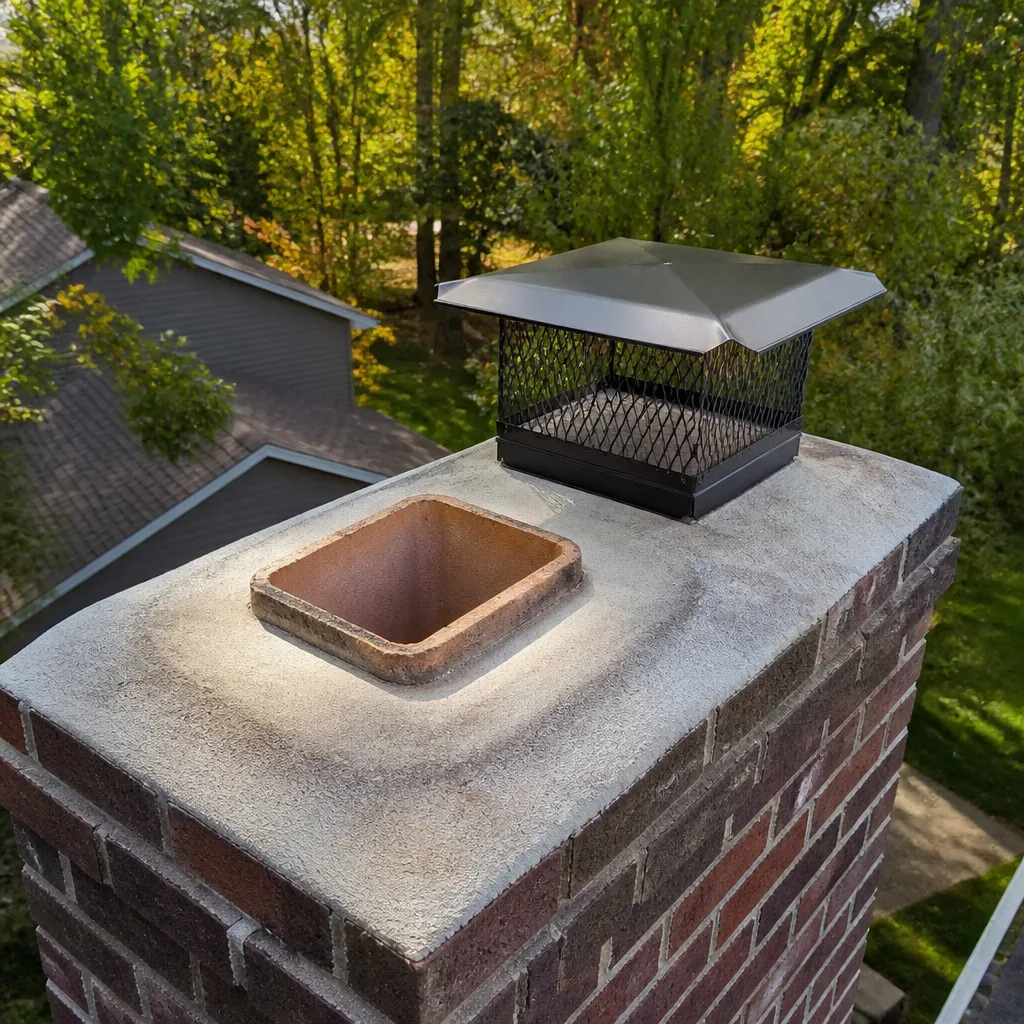 Sweep & inspection
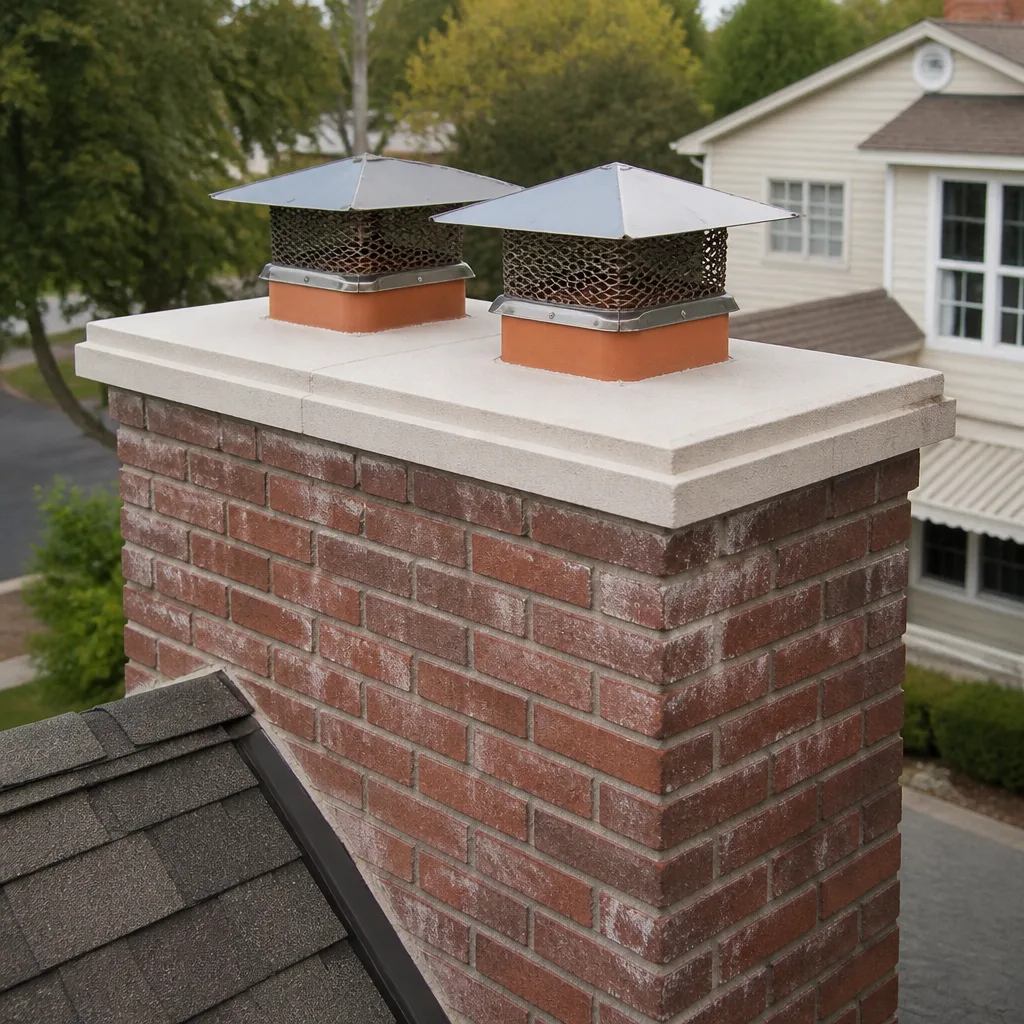 Caps & crowns
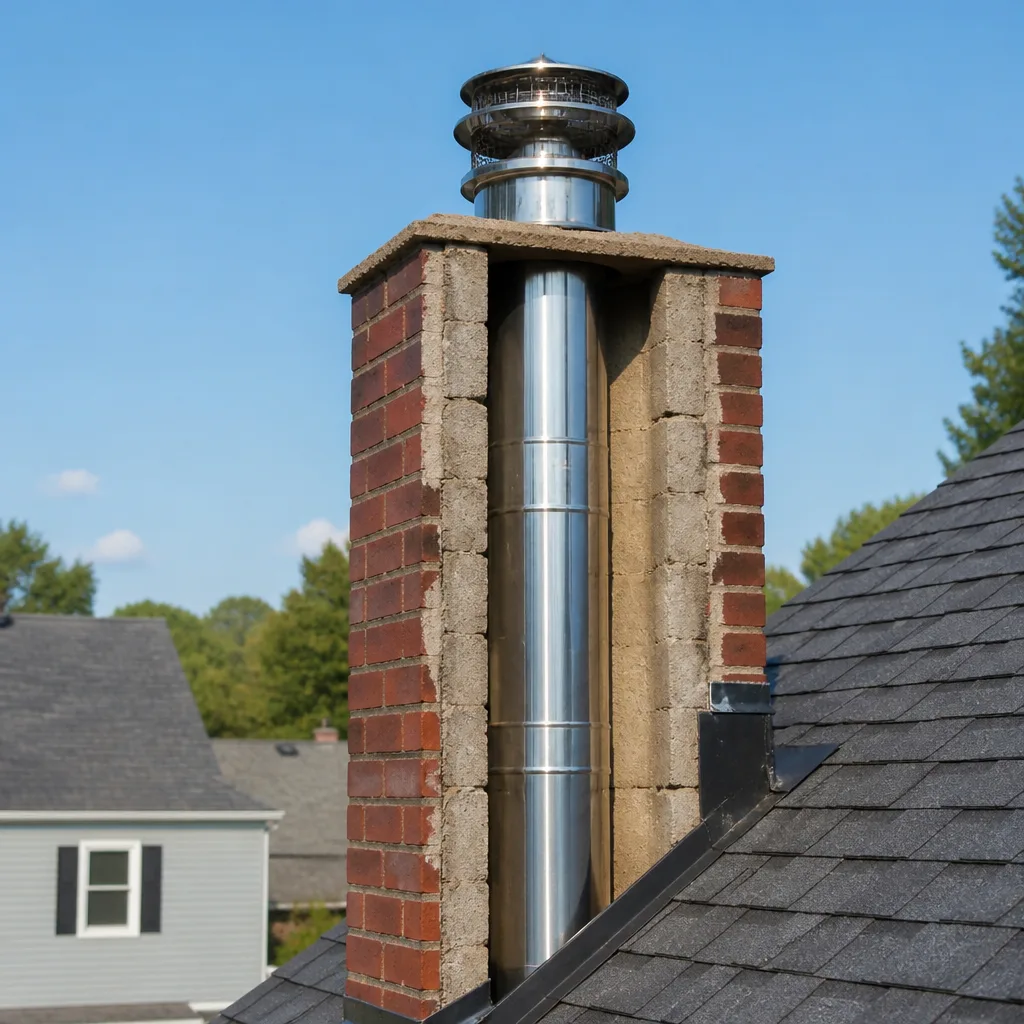 Flue relining
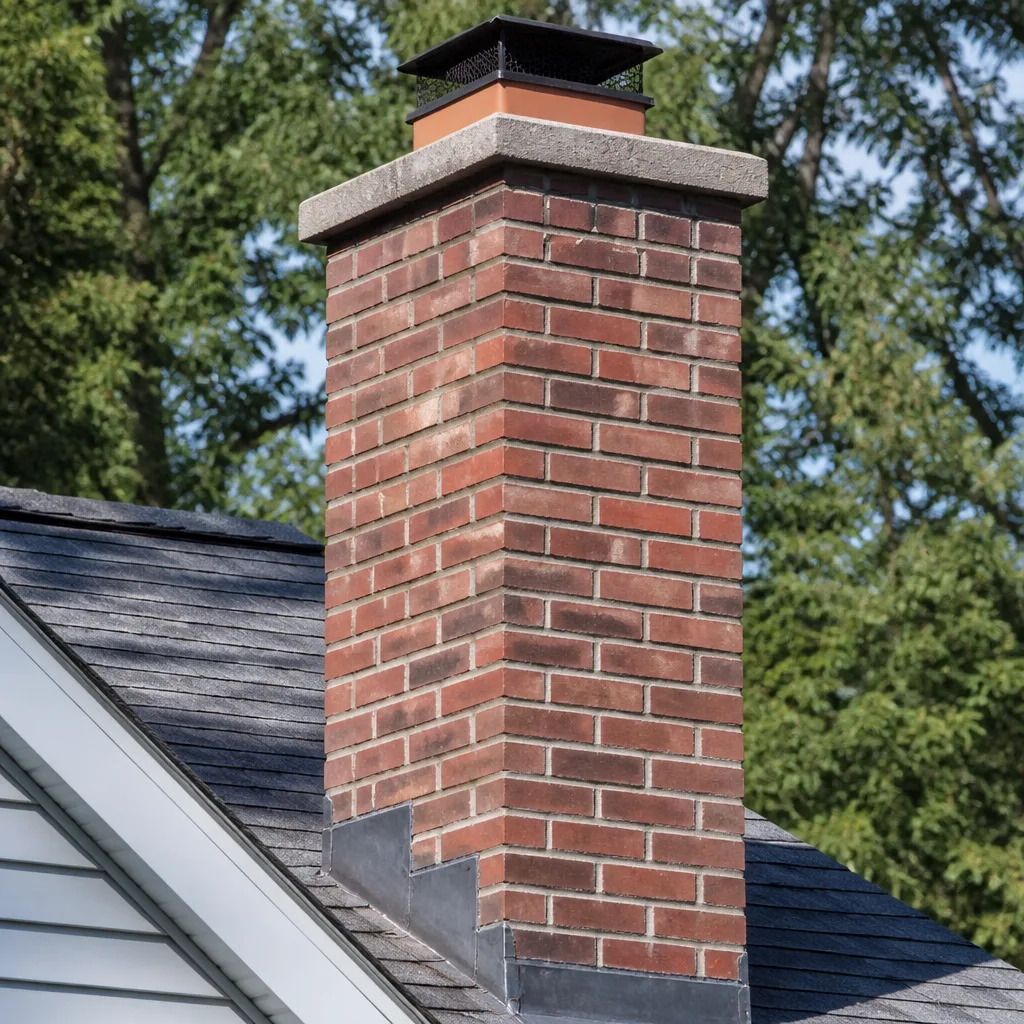 Masonry repair
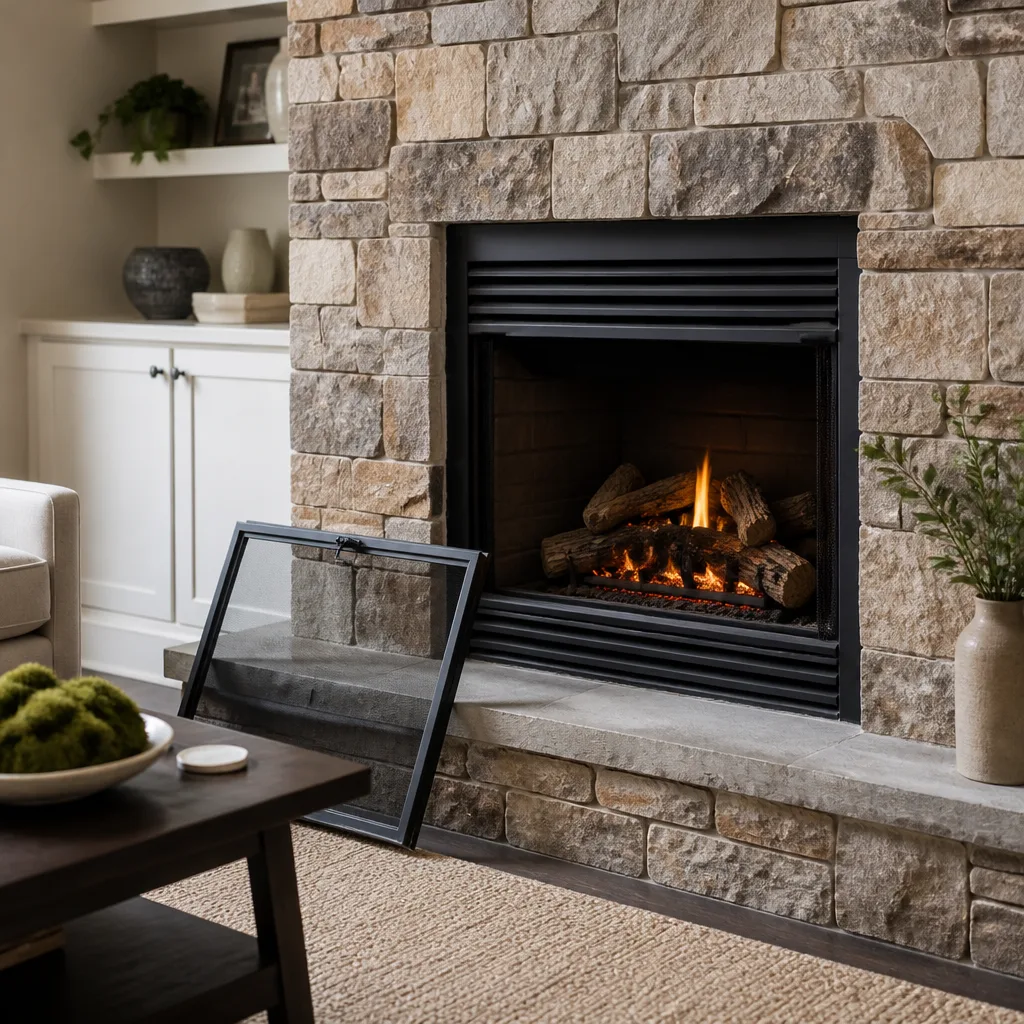 Gas fireplace service
Level 1 sweep and inspection to the NFPA 211 annual standard - flue, crown, cap, and flashing checked and photographed
Chimney sweep logs do not sweep chimneys. They loosen some creosote - which then falls where a brush and vacuum still have to collect it.
Chimney Cleaning Cost Breakdown: The South Beach Homeowner’s Reference for 2026
The $99 chimney cleaning special in the South Beach fall mailer is a real service. It’s just not the service most homeowners actually need. A single-story fireplace with a gas vent and no creosote buildup might qualify for that price. A two-story wood-burning system with a clay tile liner last cleaned three years ago will not, and the gap between the advertised number and the legitimate invoice isn’t haggling room. It’s the difference between a sweep and a full-system service call. In South Beach, that gap can run $800 or more. This guide breaks down every line item we quote so you can see exactly where your money goes and cap your exposure before work starts.
Quick Answer
Chimney cleaning in South Beach typically costs $175-$350 for a basic sweep on a single-flue wood-burning fireplace in 2026, with a Level 1 inspection add-on around $75-$150 and a Level 2 camera inspection $200-$400. Stage 2 creosote treatment, cap replacement, crown reseal, and stainless liner installation push totals to $450-$1,200 for treatment work and $2,800-$6,500 for a full reline. The written estimate sets the final price.
Styles & brands we work with
- Sweep & inspection
- Caps & crowns
- Flue relining
- Masonry repair
- Gas fireplace service
Table of Contents
- What does chimney cleaning cost in South Beach in 2026?
- What drives your price up or down?
- How do you spot a predatory low-bid contract?
- What is creosote staging and why does it change the price?
- HeatShield resurfacing vs. stainless liner: which is right?
- What’s the difference between a Level 1 and Level 2 inspection?
- How do you judge whether a South Beach quote is competitive?
- When is it actually time to book the work?
What does chimney cleaning cost in South Beach in 2026?
Chimney cleaning in South Beach in 2026 typically runs $175-$350 for a basic sweep on a single-flue wood-burning fireplace, with the exact figure set by flue height, creosote condition, and access. That’s the base. Everything else in this guide is a line item stacked on top of that starting point, and the reason a $99 mailer and a $1,400 invoice can both be legitimate is that they describe different scopes of work. Below is the itemized range we quote across South Beach, with the South Beach labor context discussed further down.
2026 South Beach chimney service pricing
| Line item | Typical 2026 range | What it covers |
|---|---|---|
| Basic sweep (single flue, wood-burning) | $175-$350 | Firebox, damper, smoke chamber, flue brushing; debris removal |
| Level 1 inspection add-on | $75-$150 | Visual check of accessible components during a sweep |
| Level 2 camera inspection | $200-$400 | Video scan of the flue interior, photo report |
| Stage 2 creosote treatment | $450-$1,200 | Chemical or mechanical removal of glazed creosote, staged over one or two visits |
| Cap replacement | $180-$450 | Standard or custom cap; Olympia Chimney or Famco sizing |
| Crown reseal or rebuild | $350-$900 | Crown sealant for hairline cracking; partial rebuild where deeper |
| HeatShield liner resurfacing | $1,400-$3,200 | In-place ceramic resurfacing of cracked clay tile, no demolition |
| Stainless liner installation (full reline) | $2,800-$6,500 | DuraFlex flexible stainless system, new top plate, cap, insulation |
The ranges above reflect typical pricing for properties in South Beach, where the housing stock runs from Mid-Century walk-ups to single-family homes just off the commercial strips. That mix matters because two-story wood-burning chimneys and single-story gas vents are genuinely different jobs, and the spread isn’t a sales tactic. Call (833) 508-9938 for an exact quote. Estimates are free, and a sweeps visit is booked ahead so nothing is a surprise when the technician arrives.
What drives your price up or down?
Three factors move the base sweep price more than anything else: flue height, the number of flues, and the fireplace type. A single-story gas-vented fireplace is the cheapest configuration to clean, and a two-story wood-burning system with a clay tile liner is the most expensive. Understanding the multipliers takes the mystery out of a bid.
Flue height
Height translates to time. A one-story chase takes a technician roughly half as long as a two-story chase, and since labor is the dominant cost of a sweep, that shows up directly in the quote. A two-story flue with a steep roof pitch or a steep ladder setup also carries more setup time and safety planning, both of which are in the price.
Number of flues
A second flue is a second sweep. If your home has a fireplace on each floor and both are vented separately, expect the price to nearly double. Homes in South Beach with a first-floor and second-floor fireplace are common in older construction, and it’s a real cost most mailers ignore.
Fireplace type
- Gas insert or gas-vented: cheapest to clean, no creosote accumulation of the wood-burning kind
- Wood-burning fireplace: standard sweep price, creosote stage drives any add-on
- Oil furnace flue: soot and sulfur residue, requires different handling and cleaning procedure
- Pellet stove: handled as a separate vent and brushed with dedicated tooling
Local labor rates and permit context
South Beach sits inside the New York City market, and NYC labor rates for skilled trades are among the highest in the country. That’s a real driver of the numbers above, and it’s the reason a quote from a contractor across the Hudson or out on Long Island may come in lower but not include the same scope. Local pay scales, insurance costs, and overhead all factor in.
Permit filing matters too. In many cases, structural modifications to a chimney (crown rebuilds, major masonry repairs, some liner installations) require permits filed with the city, and the filing fees and administrative time are folded into the service cost. A contractor bidding from outside the NYC market may skip the permit step entirely, and that’s a liability a homeowner carries, not the contractor. Ask directly which line items on your quote include permit filing. We can walk you through what triggers a permit for your specific system and confirm what’s covered before the work is booked.
How do you spot a predatory low-bid contract?
A predatory low-bid contract advertises below-market pricing and recovers the margin by expanding scope mid-job, often on a basis the homeowner can’t verify. The legitimate version discloses every possible add-on upfront so you decide before work begins. The illegitimate version doesn’t. Here’s how to read the difference.
Legitimate scope disclosure
- The base price is defined by what it covers (single flue, single story, standard access)
- Every add-on has a price range listed in the written estimate before booking
- Creosote staging is discussed in general terms upfront
- Any camera inspection is offered as an optional add-on, priced
- Work within the base scope does not expand without written approval
Predatory scope clauses
- “Price subject to change upon inspection” with no ranges disclosed
- No written scope of the base clean defined
- Add-on pricing presented verbally at the door
- “Required” work pronounced without photo or video evidence
- Same-day pressure to sign at a discount that “expires today”
How to cap your exposure before work starts
- Ask for the scope of the base clean in writing: which flue, which fireplace, what’s included in debris removal
- Ask for the priced list of add-ons in the same document
- Confirm the creosote stage will be documented (photos, video) before any treatment is quoted
- Confirm that any scope expansion requires your written approval, not a verbal agreement at the door
- Confirm the inspection findings come with images, not just a verbal summary
We hold every job to this standard. Nothing on a Chimney Sweep South Beach invoice gets recommended without camera evidence you can see for yourself, and if the flue can safely wait another season, we say so. That’s the difference between a service that builds its business on repeat customers and one that builds it on one-time overcharge.
What is creosote staging and why does it change the price?
Creosote staging is the industry classification of how much and how hardened a buildup is inside your flue, and it’s the single biggest variable in whether your sweep comes in at $200 or $1,000. The three stages are:
- Stage 1: soot and light flaky debris; removed with a standard brush sweep
- Stage 2: a hardened, sometimes glossy layer that clings to the flue wall; requires chemical treatment or mechanical rotary tooling, and often more than one visit
- Stage 3: a glaze so dense it can ignite, sometimes with a volume large enough to block the flue; requires dedicated mechanical removal, and sometimes the flue is judged unsafe to burn until the liner is replaced
Stage 2 and Stage 3 creosote are the reason a $99 advertised sweep doesn’t apply to a wood-burning fireplace last cleaned three years ago. Stage 2 typically adds $450-$1,200 to the cost and involves two booked visits in most cases. Stage 3 is a safety issue and should be treated as urgent, because glazed creosote is the fuel for a chimney fire.
Why a camera inspection matters
You cannot see creosote stage from the firebox. The technician cannot either, until they’re up the flue or have camera footage. A proper sweep confirms the stage post-cleaning, and a Level 2 camera inspection is the cheapest way to know what you’re dealing with before a treatment price is quoted. This is worth repeating: you shouldn’t accept a creosote-stage quote from a company without seeing the images first. We include camera inspection and a photo report with the sweep so the findings are in front of you, not on a stranger’s word.
HeatShield resurfacing vs. stainless liner: which is right?
The choice between HeatShield resurfacing and a full stainless liner comes down to how much of the existing clay tile is intact. If the tile is cracked but the structure is sound, HeatShield can restore the interior surface in place. If the tile is spalled, missing, or the flue has failed beyond resurfacing, a full stainless liner is the only safe call.
When HeatShield resurfacing is the right call
- The clay tile is cracked but still seated in position
- The chimney structure is otherwise sound (no crumbling mortar, no settling)
- The flue is the correct size for the appliance
- Budget matters: HeatShield application is typically $1,400-$3,200 vs. $2,800-$6,500 for a full reline
When a full stainless liner is the right call
- The clay tile is spalled, missing, or failing in multiple places
- The chimney has structural damage to the crown or masonry
- The appliance requires a different flue diameter than the existing tile offers
- There’s evidence a prior chimney fire compromised the interior
We use HeatShield because it restores a flue liner without full demolition in the cases where it’s the correct product, and we use DuraFlex flexible stainless liners for the reline cases that need a full replacement. The right product for the right repair matters here: a resurfacing on a structurally failed chimney is money thrown away, and a full reline on a lightly cracked tile is an unnecessary five-figure charge. The Level 2 camera inspection is what distinguishes the two, and it’s the reason we don’t quote a liner over the phone without it.
If your inspection comes back with a failed liner, the chimney repair side of the business handles the reline and the surrounding masonry in one job, without a handoff to a separate contractor. From inspection to repair, we handle the work in-house, using the same professional-grade material supply across the two.
What’s the difference between a Level 1 and Level 2 inspection?
A Level 1 inspection is a visual check of the accessible components performed during a routine sweep. A Level 2 inspection adds a video camera scan of the flue interior and is the appropriate level for a real estate transaction, a change in appliance, or after a chimney fire. A Level 3 inspection (not discussed in detail here) involves opening up the structure and is reserved for a known problem area.
Level 1 inspection: what it covers
- Firebox, damper, smoke chamber, and firebox walls
- Accessible flue from the top and from the firebox side
- Chimney cap and crown condition, visible masonry
- Typically included in the sweep cost, or an add-on of $75-$150
Level 2 inspection: what it adds
- Video scan of the flue interior from top to bottom
- Records of any cracking, gaps, or liner failure
- Photo report suitable for a real estate transaction or insurance documentation
- Runs $200-$400 as a standalone inspection
Real estate transactions are where the Level 2 earns its keep. A buyer needs documented evidence of the flue’s condition, and a seller needs the same to head off a last-minute credit request. Our chimney sweep visits include the camera work and photo report so the findings travel with the property, not just the invoice. An inspection designed for a real estate transaction means the documentation is on file in a format an insurance adjuster or a real estate attorney can use.
How do you judge whether a South Beach quote is competitive?
A competitive South Beach quote matches the local NYC labor rate, includes permit filing where the work requires it, and shows the scope in line items you can compare. A quote that beats the local rate by a wide margin is almost always leaving something out: the permit, the camera inspection, the insulation on a liner, or the debris removal. Here’s how to read a bid.
What a competitive bid looks like
- Base scope is line-itemed: which flue, which fireplace, what debris removal covers
- Inspection is priced separately or clearly included: Level 1 vs. Level 2 discrete
- Add-ons have ranges, not “TBD”: treatment, cap, crown, liner all priced as ranges
- Permit line is present where applicable: crown rebuilds, some masonry repair, some liner installations in NYC require it
- Materials are named: the brand and grade of the cap, liner, or resurfacing product
- Labor rate matches the borough: a South Beach quote at Long Island rates is a red flag in the other direction
What a low-bid bid leaves out
- No permit filing (a liability for you)
- Standard-grade cap instead of the sized, professional-grade product
- No insulation on a stainless liner, which shortens its life
- No camera confirmation of the creosote stage
- Debris removal “not included”
The material naming is where most bids fall apart on comparison. A generic “stainless liner” quote from one company is not equivalent to a DuraFlex system quote from another, and a “chimney cap” is not the same as an Olympia Chimney cap sized for the flue. Ask for the brand. If the company can’t name it, they’re buying whatever’s cheapest that day. We name our brands because material traceability matters, and you should be able to verify what’s being installed in your home.
When is it actually time to book the work?
The most useful thing we can tell South Beach homeowners is when work can wait. Not every job needs to be done this season, and a specialist who tells you so is doing you a real service. Here’s the practical urgency ranking.
- Book now: Stage 3 creosote (glazed, ignitable), visible liner failure on camera, crown that’s crumbling into the flue, a chimney cap that’s missing entirely (water intrusion and birds are real concerns here)
- Book this season: Stage 2 creosote after one more heating season’s buildup, cracked clay tile with a sound structure, crown with hairline cracks
- Can wait: Stage 1 creosote cleaned and clear, minor flue-tile hairline without structural compromise, a crown that’s cosmetically weathered but functionally intact
Seasonality drives the booking, not the urgency clock. The South Beach heating season begins in the fall, and chimney work booked before the first cold snap means you’re not paying for a rushed job. A sweep scheduled in early fall is a sweep done properly. A sweep scheduled the morning after the first cold night is a sweep squeezed in. Book ahead.
Common Mistakes to Avoid
- Buying on the mailer price alone. The $99 special is a real service for a narrow slice of chimneys. Verify it applies to your configuration before you book.
- Accepting a creosote-stage diagnosis without photos. Stage 2 and Stage 3 treatment is the largest variable in the quote. Ask for the camera evidence before you approve the price.
- Skipping the Level 2 inspection on a home purchase. A Level 1 visual check misses liner cracks that the camera catches. The $200-$400 is cheap relative to discovering a failed liner after closing.
- Choosing a quote that omits permit filing. Structural chimney work in NYC typically requires a permit, and a contractor who skips it pushes the liability to you.
- Letting a “liner” quote through without the brand. A generic stainless liner quote is not equivalent to a DuraFlex system quote. Ask what the product is before you sign.
- Assuming HeatShield is always the cheaper call. HeatShield is the right product when the tile is cracked but the structure sound. Using it on a structurally failed chimney is wasted money.
- Booking after the first cold night. Every South Beach homeowner books at the same moment, and the rush is the enemy of a good job. Book in early fall, not mid-winter.
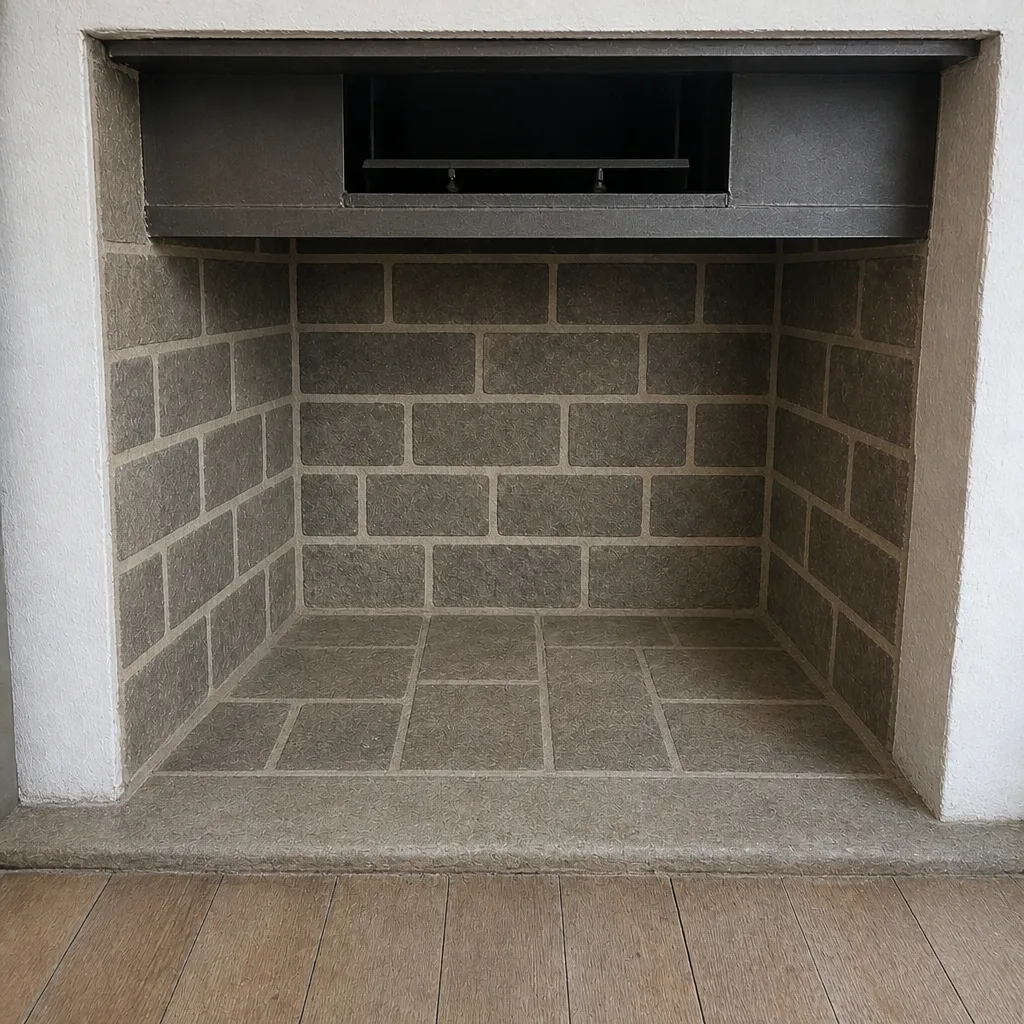
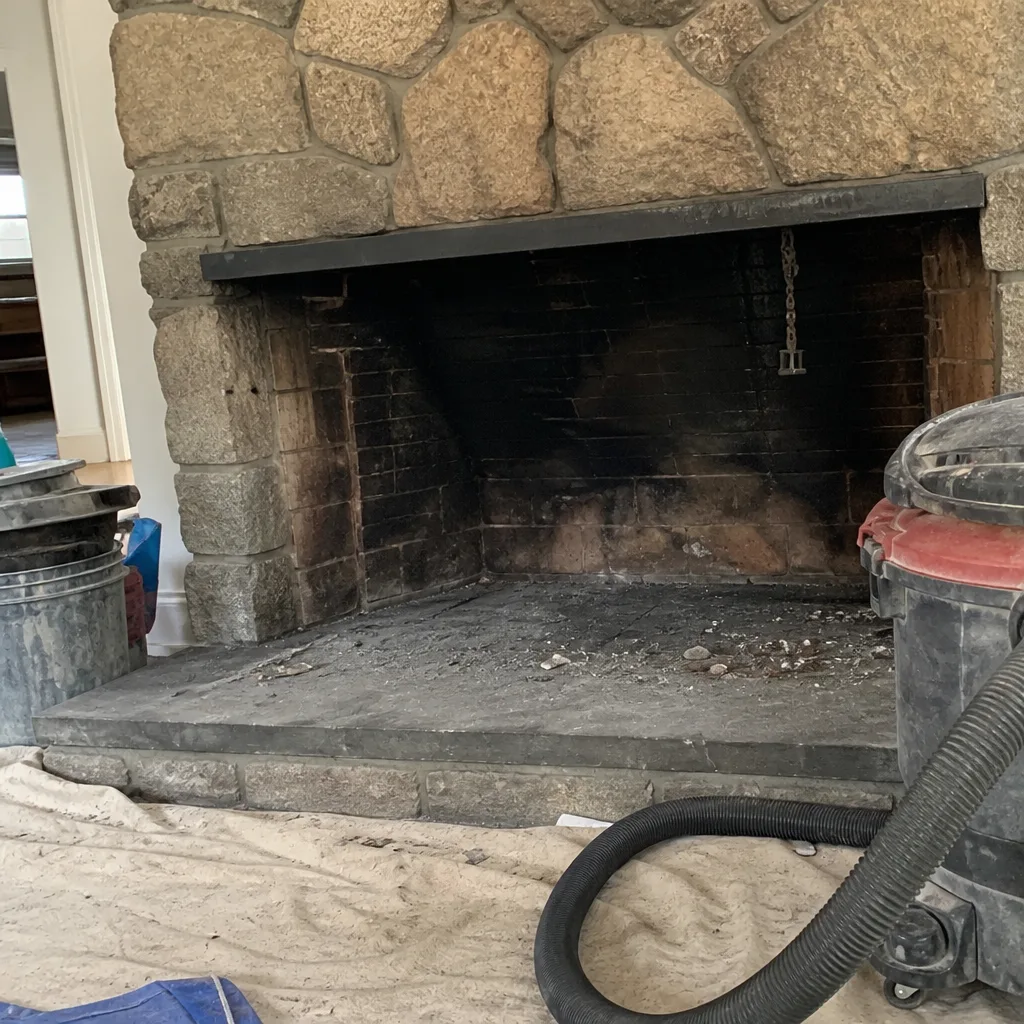
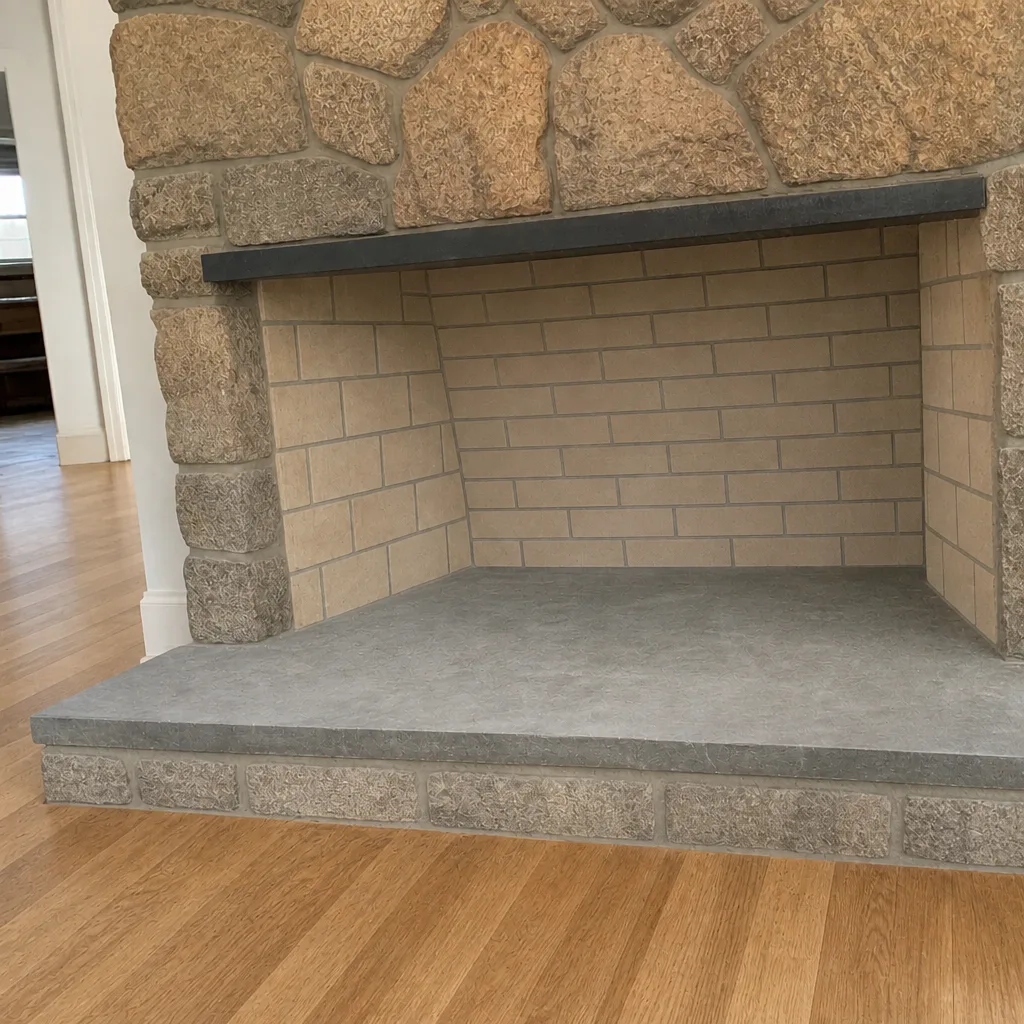
See the difference
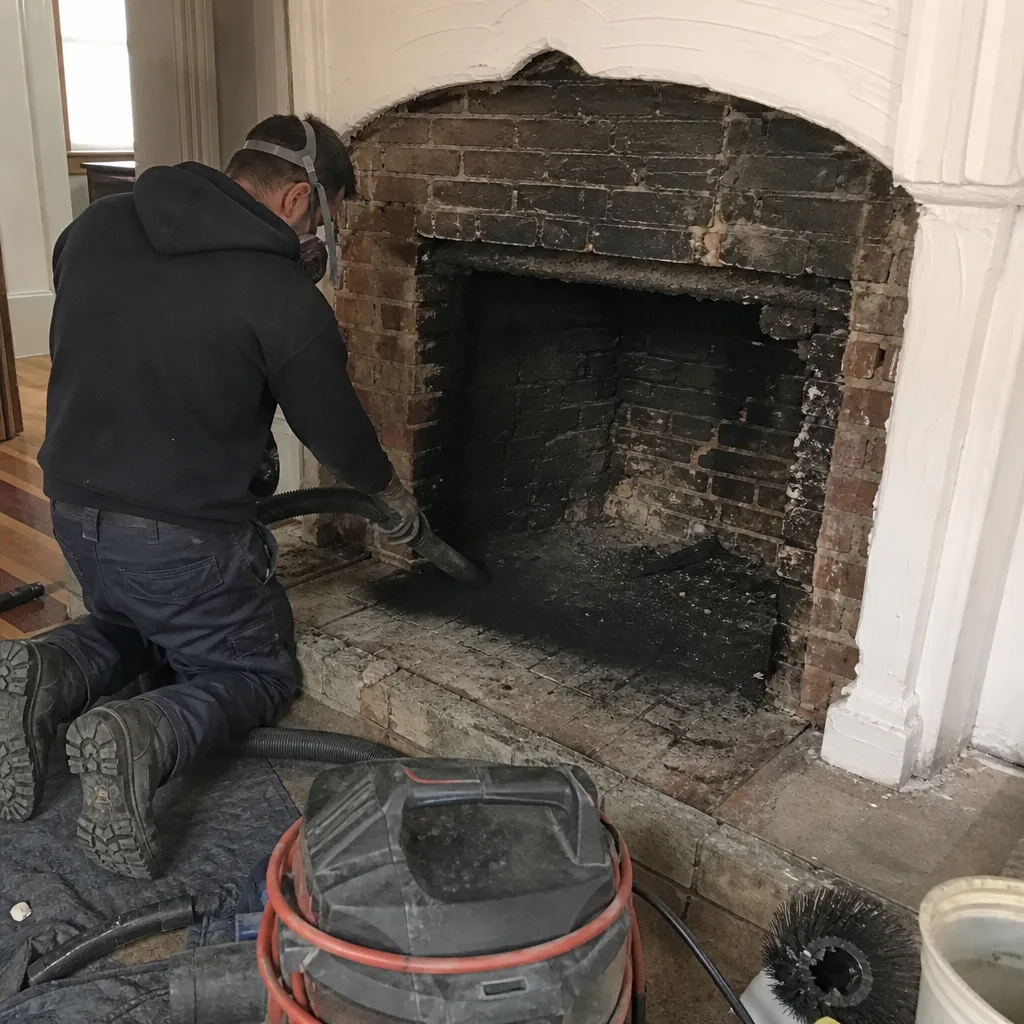 Before
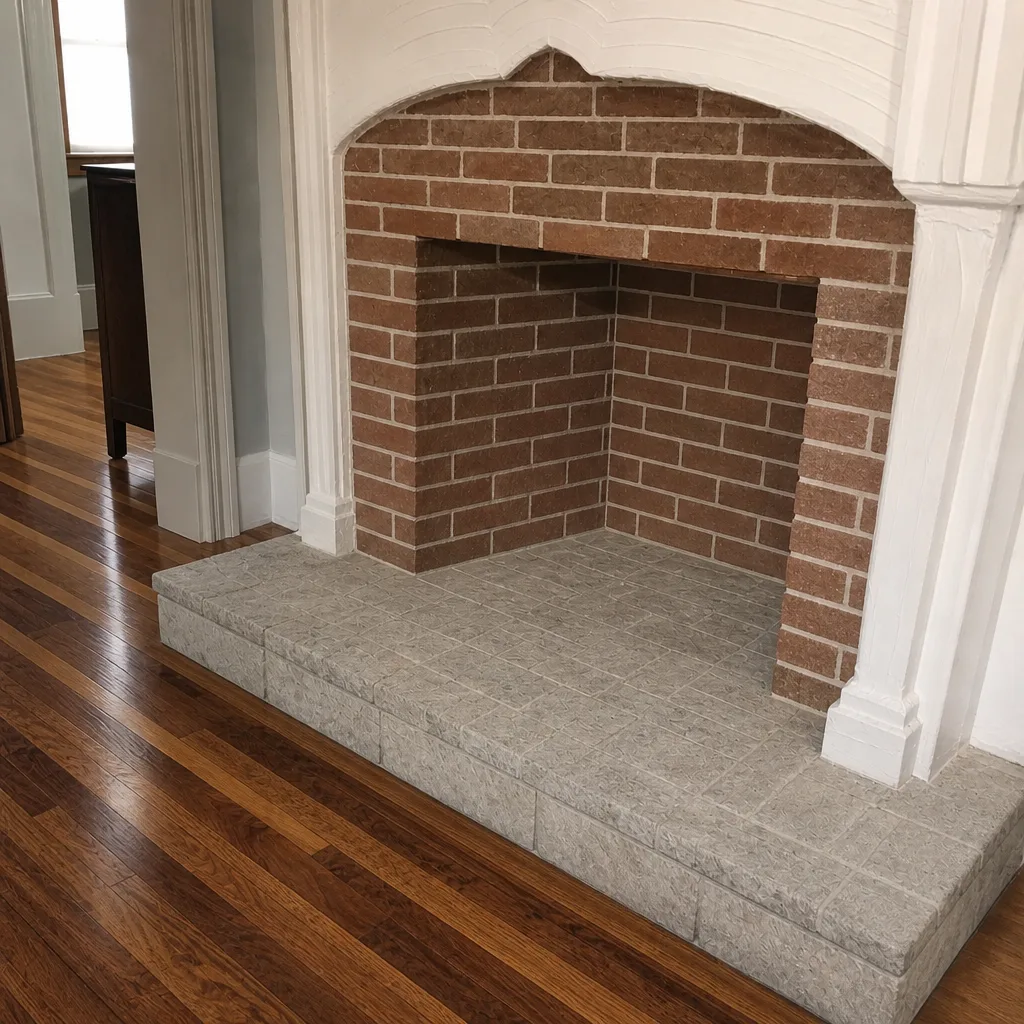 After
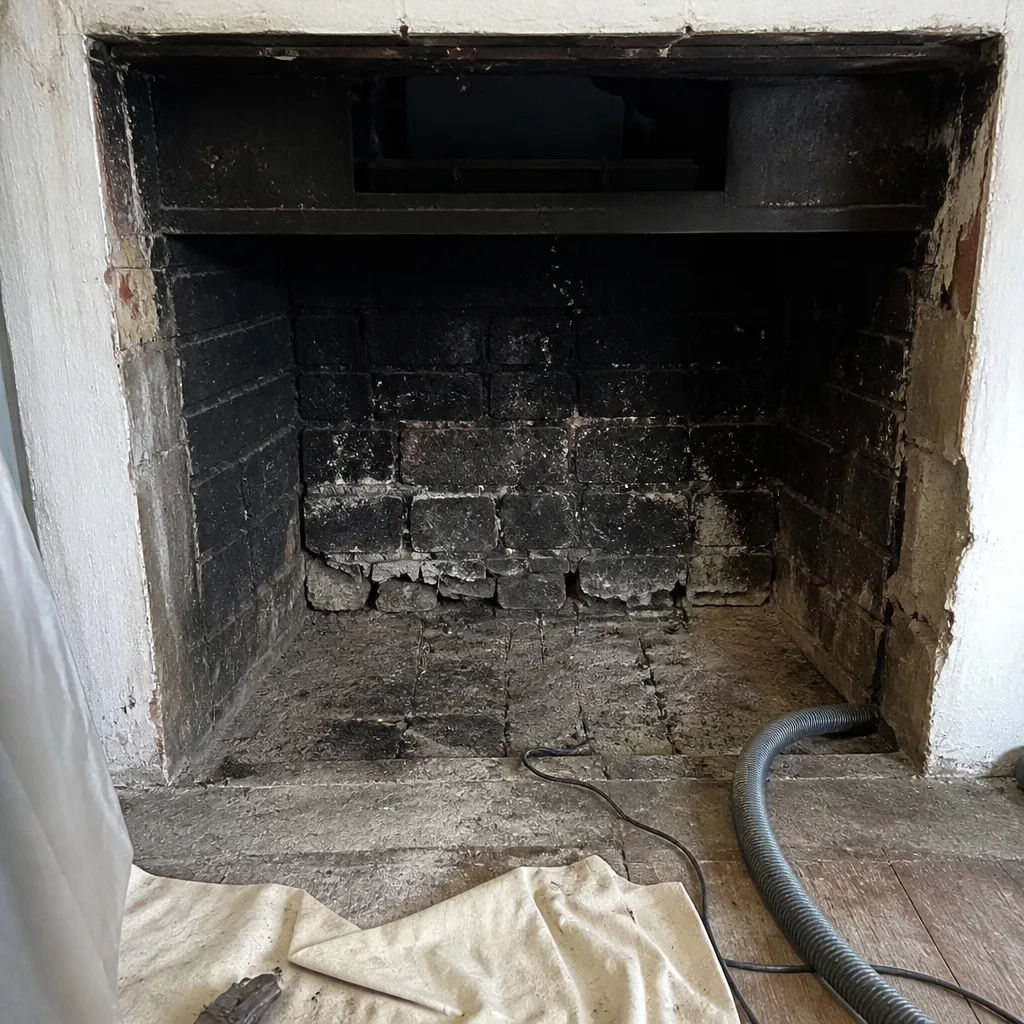 Before
 After
 Before
 After
When to Call a Professional
Call for a professional sweep and inspection if you’ve burned a full cord of wood since the last cleaning, if the last sweep was three or more years ago, if you see visible soot on the firebox walls, if the fireplace smells of smoke when it’s not in use, or if you’re in a real estate transaction on either side. Call also if a camera inspection returned cracked tile, a failing crown, a missing cap, or evidence of stage 2 or stage 3 creosote. Those aren’t jobs for a homeowner with a brush and a ladder, and the high-temperature components involved are a genuine safety concern that’s better handled by a trained technician.
If your cap is loose, missing, or the wrong size for the flue, the chimney cap & crown work is often the single highest-value repair you can do, because a proper cap prevents water intrusion and birds from undoing the sweep before the next heating season. We size and install that cap using Olympia Chimney or Famco fittings, and we tell you honestly when the existing one only needs a reseal or a reattach instead of a replacement.
Chimney Sweep South Beach offers free estimates in South Beach. Call (833) 508-9938. We answer 24/7. Fast dispatch from 7am to 7pm, Sunday through Friday. A call outside dispatch hours is booked into the next opening, Sunday through Friday, 7am to 7pm.
If the work is fireplace repair inside the firebox rather than the flue, the same team handles it, and the inspection findings from the sweep carry directly into the repair scope. Nothing gets handed to a subcontractor. The right product goes in the right repair, whether that’s a firebox rebuild or a cap swap, so you’re not paying for a full-system job when a targeted one will do.
Frequently Asked Questions
A basic chimney sweep in South Beach typically costs $175-$350 for a single-flue wood-burning fireplace in 2026, and the written estimate sets the final price. The range reflects flue height, creosote stage, and access. Call (833) 508-9938 for an exact quote. Estimates are free.
You need a new liner when the camera inspection shows cracked, spalled, or missing clay tile that can’t be resurfaced. HeatShield restoration is the correct call for lightly cracked tile on a structurally sound chimney and runs $1,400-$3,200, while a full DuraFlex reline runs $2,800-$6,500. You shouldn’t accept that diagnosis without seeing the camera footage. Call (833) 508-9938 to book an inspection. Estimates are free.
A chimney should be swept once a year if you burn regularly, or at the start of the heating season. Heavy burners may need a sweep before the season and again mid-season. If you only light a fire a few times a year, an annual inspection is still worth booking even if the sweep itself can be deferred. Call (833) 508-9938 to schedule. Estimates are free.
Creosote accumulates faster than most homeowners realize, particularly at the smoke chamber and the upper flue, and once it reaches stage 2 or stage 3 it becomes the fuel source for a chimney fire. Skipping a sweep doesn’t cause an immediate problem, but it does remove the early warning that catches a liner crack or a failing crown before it becomes a major repair. Call (833) 508-9938 to book a sweep. Estimates are free.
A standalone Level 2 camera inspection typically runs $200-$400, compared with a Level 1 visual add-on at $75-$150. The Level 2 adds a full video scan and a photo report suitable for insurance or a real estate transaction. If you’re buying or selling a South Beach property, book the Level 2. Call (833) 508-9938. Estimates are free.
Yes, in the common case. A sweep and a cap replacement, a crown reseal, or a HeatShield application can be done in a single booked visit when the scope is straightforward. A full DuraFlex reline is often booked as a separate visit because of the demolition and installation time, and the written estimate will say which is which. Call (833) 508-9938. Estimates are free.
The Bottom Line
South Beach chimney pricing follows a decision tree, not a single number. The base sweep is $175-$350 for a single-flue wood-burning fireplace, inspector add-ons stay in the low hundreds, and the large variables are creosote treatment, cap and crown work, and the choice between HeatShield resurfacing and full DuraFlex reline. The $99 mailer is legitimate for a narrow configuration and misleading for the rest. Read any bid against the itemized ranges in this guide, insist on camera evidence before approving any expansion, and confirm permit filing where structural work is involved. A competitive South Beach quote names its materials, prices its add-ons, and lets you see the evidence.
Call (833) 508-9938 for a free estimate. We answer 24/7. Fast dispatch from 7am to 7pm, Sunday through Friday. Our technicians have up to 14 years of experience, and every job is quoted per job against a written estimate, so you know the final price before anything is booked.
Written by the team at Chimney Sweep South Beach.