
Last updated November 25, 2026
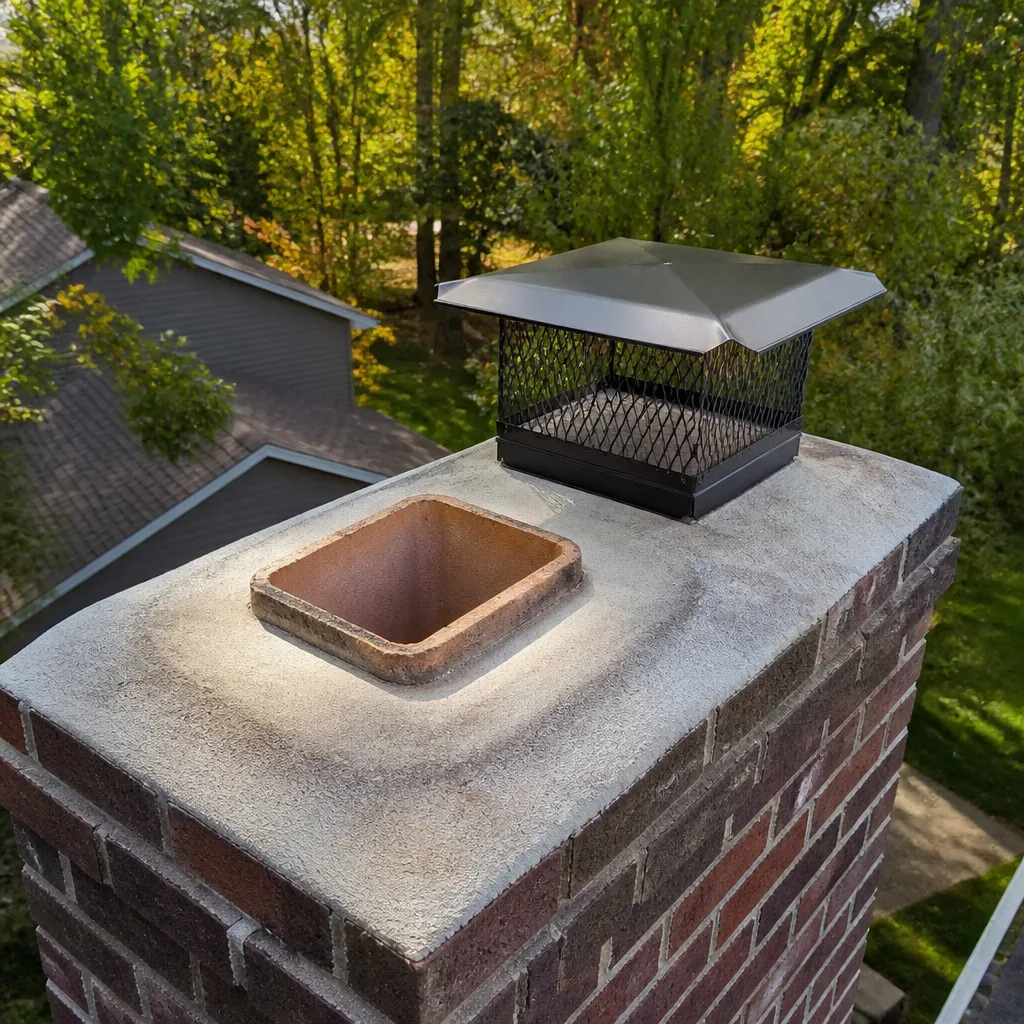 Sweep & inspection
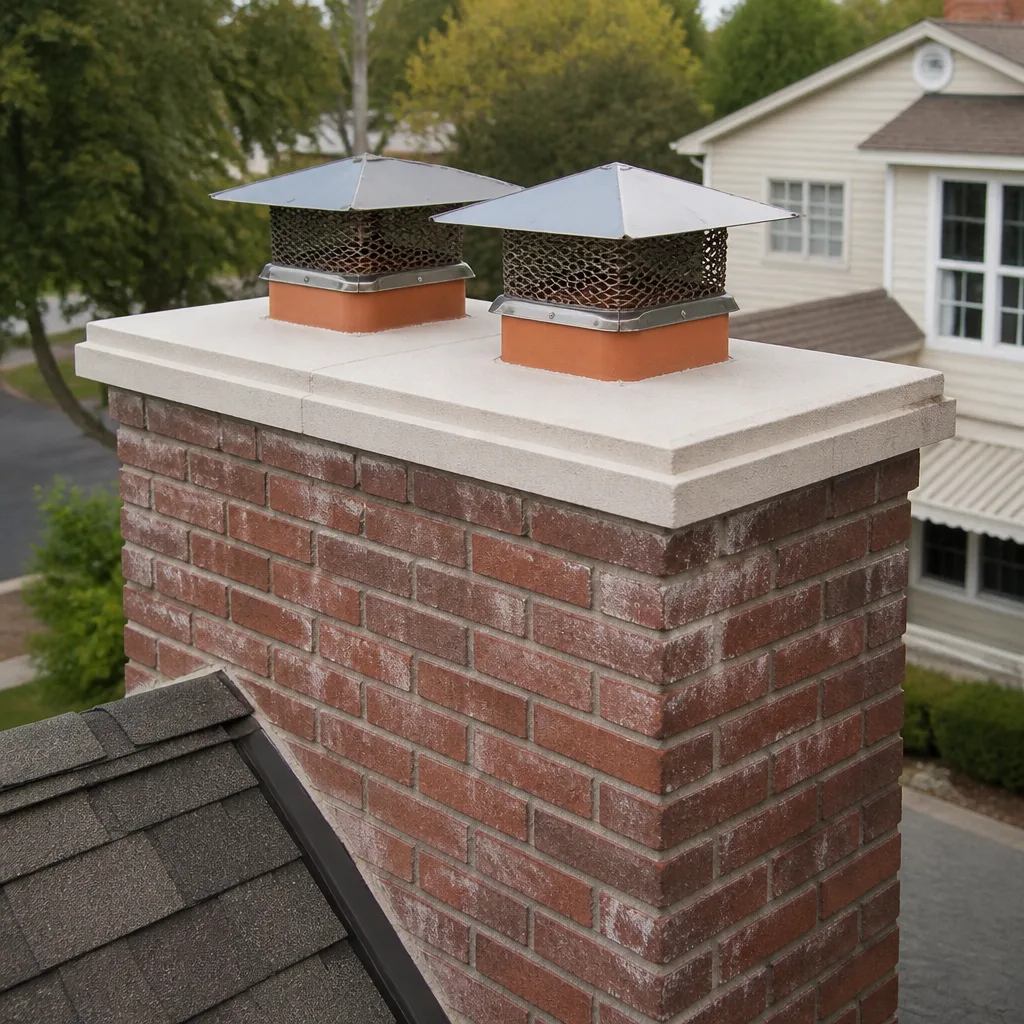 Caps & crowns
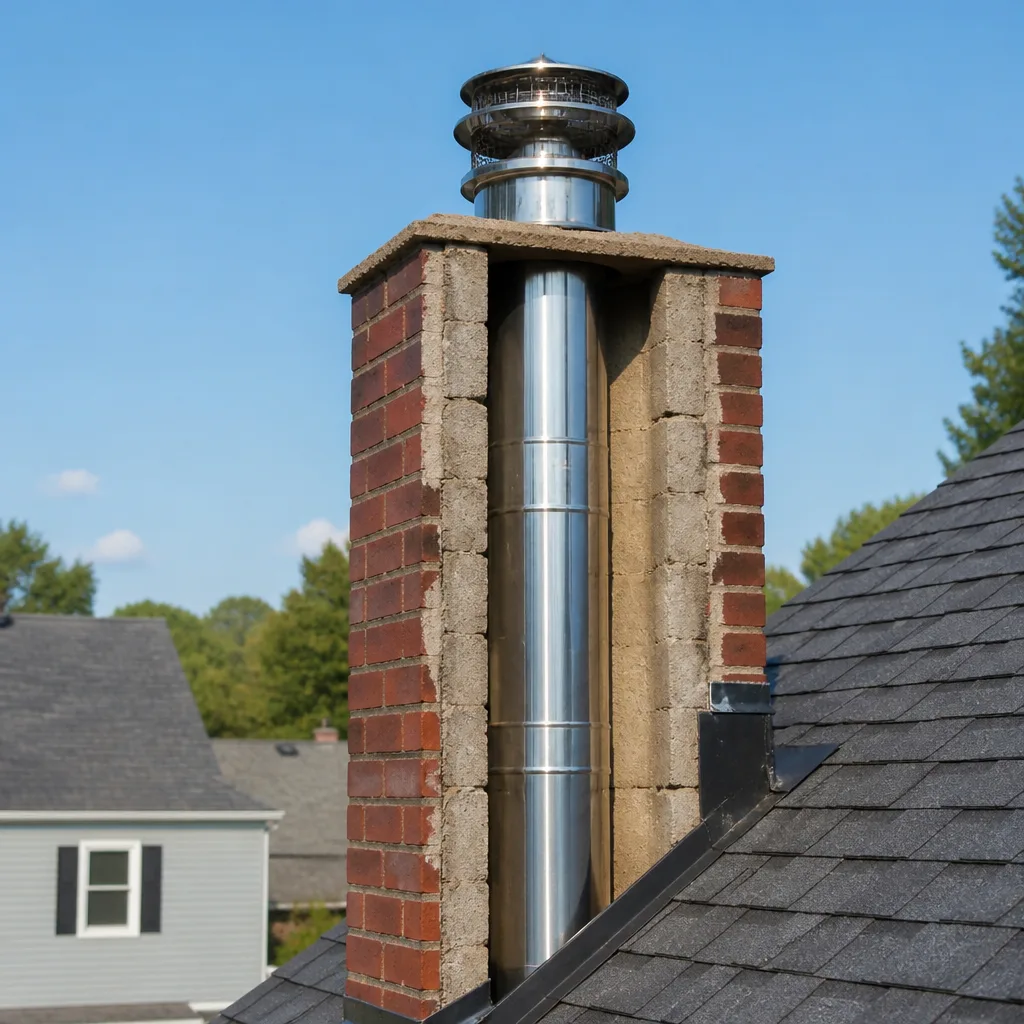 Flue relining
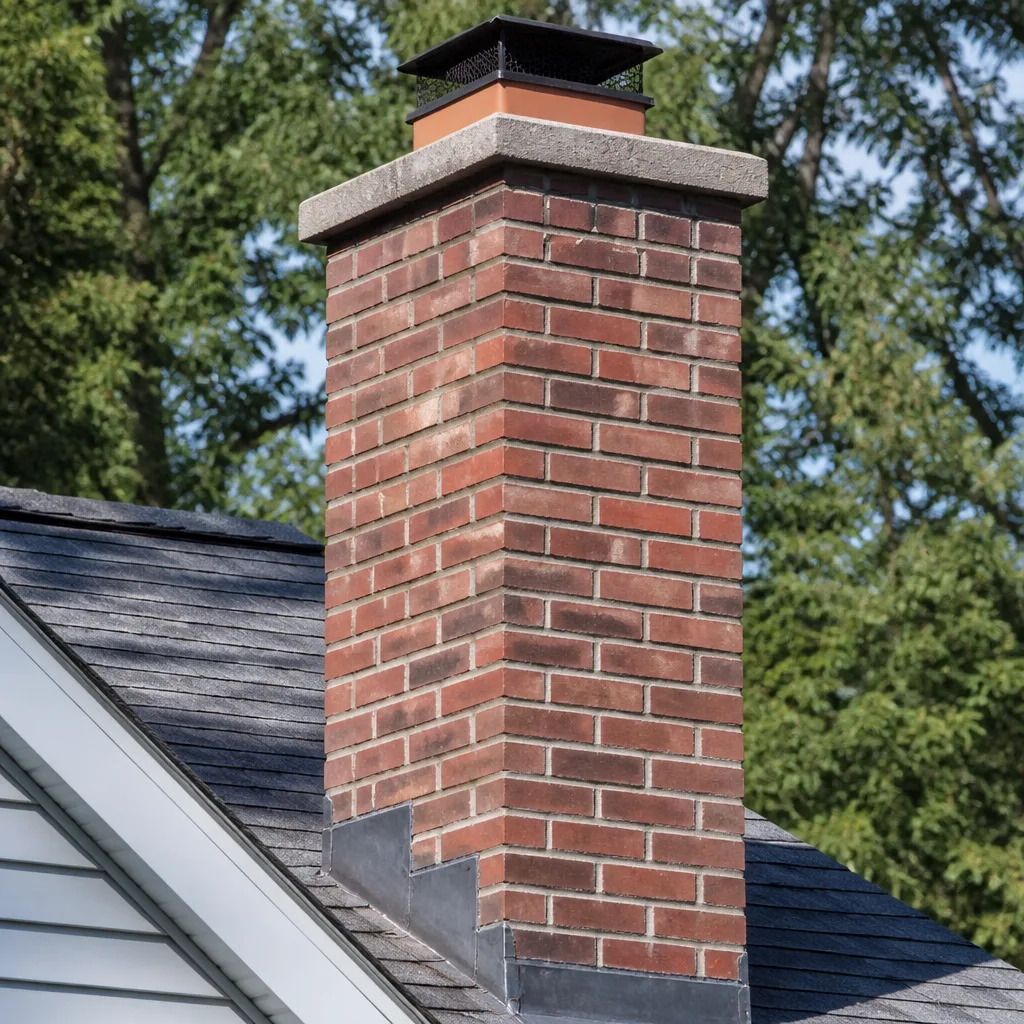 Masonry repair
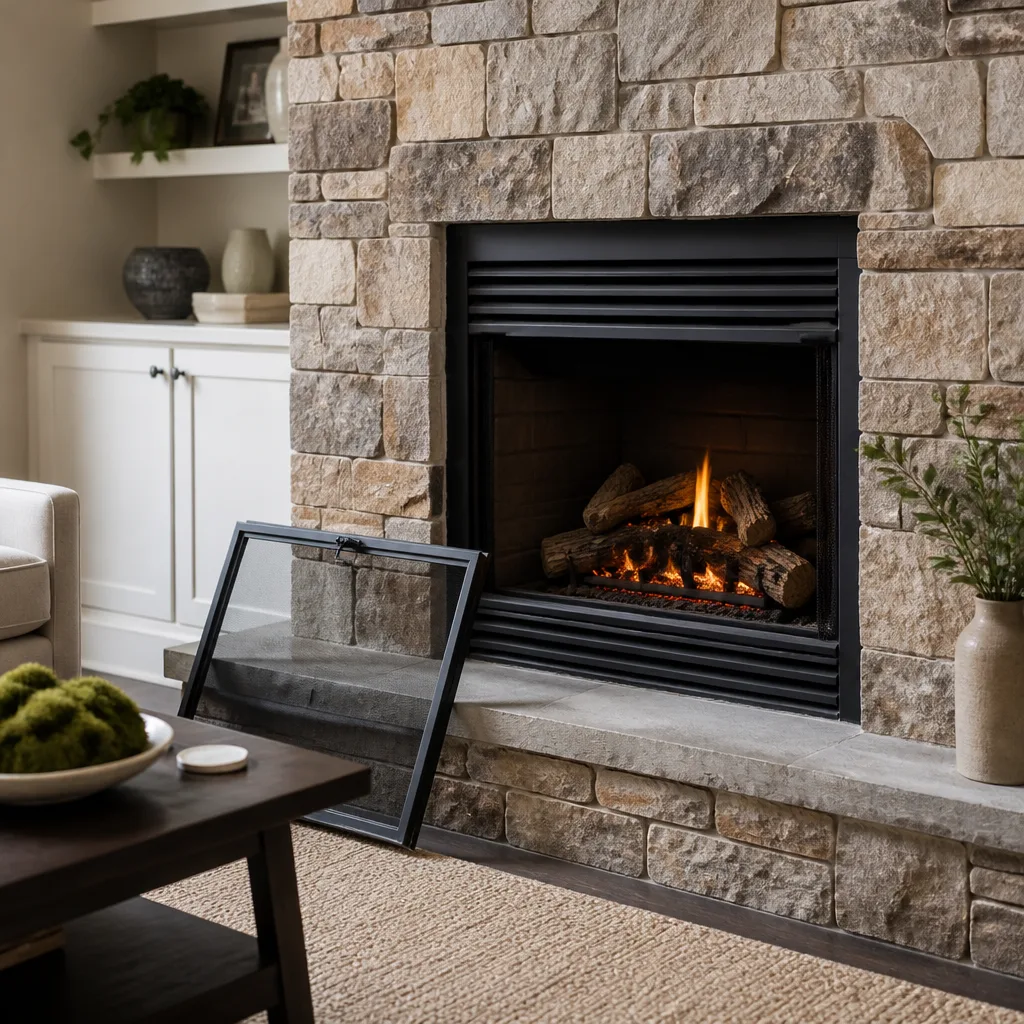 Gas fireplace service
Level 1 sweep and inspection to the NFPA 211 annual standard - flue, crown, cap, and flashing checked and photographed
Chimney sweep logs do not sweep chimneys. They loosen some creosote - which then falls where a brush and vacuum still have to collect it.
Chimney Cleaning Permits, Codes & Inspections in South Beach, NY: What You Need to Know
The cleaning itself is the easy part. In South Beach, the permit question starts the moment a technician finds a cracked liner tile or a crown that has pulled away from the flue. Here’s the part most homeowners don’t hear until it matters: NYC Building Code Section 28-105.1 requires a permit for chimney liner installations, for structural masonry repairs, and for certain cap replacements. A routine sweep is not a permitted activity. The repairs a sweep uncovers usually are. Because neither the homeowner nor the contractor always flags that threshold, a fair share of chimney work in this borough gets done off-permit, and the consequences surface years later at an insurance claim or a closing. This guide maps the exact code triggers, explains how the DOB’s filing process works for chimney work in Staten Island and South Beach, shows you how to pull a property’s permit history, and tells you where NFPA 211 fits into all of it. By the end you’ll know which repairs need paper behind them and which can safely wait.
Quick Answer
A chimney cleaning in South Beach needs no permit. Liner replacement, crown reconstruction, and structural masonry repairs almost always do, because NYC Building Code Section 28-105.1 lists them as work requiring a Department of Buildings permit. Cap replacement is a judgment call that depends on whether the work is a like-for-like swap or a structural change. Any repair must also produce a chimney that meets NFPA 211, and unpermitted chimney work can complicate both an insurance claim and a future sale.
Styles & brands we work with
- Sweep & inspection
- Caps & crowns
- Flue relining
- Masonry repair
- Gas fireplace service
Table of Contents
- Where the Permit Line Falls: Cleaning vs. Repair in South Beach
- The Exact Code Triggers: Liner, Crown, and Masonry
- Directive 14, Self-Certification, and How Chimney Permits Get Filed
- NFPA 211: Wood-Burning Chimneys vs. Gas Appliances
- How to Pull a Permit History on a South Beach Property
- What Unpermitted Chimney Work Does to an Insurance Claim
- The Three Inspection Levels and When You Need Each
- Selling in South Beach: What Buyers and Their Inspectors Look For
Where the Permit Line Falls: Cleaning vs. Repair in South Beach
Picture a South Beach bungalow with a fireplace that’s been burning quietly for decades. A technician arrives for a routine chimney sweep, runs a camera up the flue, and finds a liner with a cracked tile and a gap at a joint. The cleaning took forty minutes. The repair conversation takes another thirty, and the first question out of the homeowner’s mouth is usually about cost. The second is whether any of it needs a permit. That second question is the one that protects them.
Here’s the general rule. Cleaning, sweeping, and inspection are maintenance. They don’t alter the structure of the chimney, so they don’t trigger a DOB filing. Repair work is different: once you replace a liner, rebuild a crown, or cut out and replace masonry, you’ve changed a structural component of a building system, and New York City treats that as construction work that needs a permit.
The practical distinction comes down to what the technician actually touches. If the work stays inside the flue as surface cleaning, you’re in maintenance territory. If it involves removing original material and installing new material in its place, you’ve likely crossed into permitted work. That’s true whether the job is a full liner replacement or a section of crown that’s cracked through.
Chimney work on Staten Island has a particular rhythm because of the housing stock. South Beach and the surrounding neighborhoods mix older single-family homes with mid-century capes and newer construction, and the older chimneys have often been through more than one heating era: coal, then oil, then wood, sometimes gas. Each conversion can leave behind a liner that doesn’t match the current appliance. When a sweep turns up that mismatch, it’s easy for a homeowner to treat the fix as “just part of the cleaning.” It usually isn’t, and treating it that way is how unpermitted repairs start.
The clearest way to stay straight on this: ask before work begins whether the repair requires a DOB permit. A contractor who knows the code will answer without hesitation.
The Exact Code Triggers: Liner, Crown, and Masonry
NYC Building Code Section 28-105.1 sets the permit requirement for construction work in the city. Chimney components are a small part of that code but they fall under it cleanly. Here’s how the thresholds play out in practice for a South Beach property.
Liner Replacement
Installing a new chimney liner, whether a stainless flexible system like DuraFlex or an in-place restoration product like HeatShield, is permitted work. The liner is the barrier between combustion gases and the structure of the chimney. Replacing it changes the flue’s rated performance, so the DOB wants a filing on record showing the work was specified and inspected. This is the single most common trigger for a South Beach homeowner after a sweep, because liner damage is often invisible until a camera goes up.
Crown Reconstruction
The crown is the concrete or masonry cap at the top of the chimney that sheds water away from the flue. Rebuilding a crown, as opposed to patching a hairline crack with sealant, is a structural masonry repair and requires a permit. A crown that has separated from the flue, has a crack wider than a hairline, or has lost its overhang is a rebuild candidate. Simple crack sealing typically is not.
Masonry Repointing Depth
Repointing is where the threshold gets fuzzy and where a lot of off-permit work happens. Light surface repointing to seal joints in the upper courses of a chimney is often treated as maintenance. Repointing that involves cutting out mortar to any real depth, rebuilding a section of the chimney stack, or addressing spalling brick is a structural repair, and that’s when a permit is typically expected. If a mason is proposing to remove and replace brick, ask whether the job is being filed.
Cap Replacement
Swapping a failing chimney cap for a new one of the same size and type, like a Famco or Copperfield model of similar dimensions, is usually treated as like-for-like replacement and often doesn’t require a permit. A cap that involves fabricating new masonry at the top, extending the flue, or dramatically changing the cap’s footprint is a different category and generally does.
- Typically no permit: sweeping, inspection, cap swap of the same size, hairline crack sealing, light surface repointing.
- Typically permitted: liner installation, crown reconstruction, spalling brick replacement, chimney stack rebuild, significant repointing depth.
- Possibly permitted: cap replacement that changes dimensions or material, flashing replacement at a roofline.
When you’re unsure, the DOB is the authority. A quick call to the Buildings Department about the specific scope will give you a clearer answer than a contractor’s guess. Our own rule of thumb when we inspect a South Beach chimney is simple: if the work touches the structural shell of the chimney, we tell the homeowner to expect a filing.
Directive 14, Self-Certification, and How Chimney Permits Get Filed
Once a permit is required, the filing path matters. New York City allows professional self-certification of certain construction work under a framework called Directive 14. The idea is straightforward: a licensed professional, usually an architect or engineer, certifies that the planned work complies with the code and takes professional responsibility for that certification, which speeds up the filing. The trade-off is that self-certified work still gets audited, and the licensed professional carries real liability if the job doesn’t match the filing.
For chimney work, self-certification is generally available when the scope is well-defined and the licensed professional is willing to sign off. That usually means a clear liner replacement or a crown rebuild that can be specified precisely. Where it gets more complicated is on older South Beach chimneys with mixed construction, where the scope isn’t fully known until the masonry is opened up. In those cases, a standard permit filing that requires a DOB review often makes more sense, because the scope is going to change once the work begins.
Here’s how the filing typically moves from start to finish:
- Scope definition. The contractor documents what’s being replaced or rebuilt, ideally with photos from the inspection.
- Plan and specification. A licensed architect or engineer prepares the filing documents describing the materials and the method.
- Filing with the DOB. The permit application is submitted, either self-certified under Directive 14 or through standard review.
- Permit issuance. Work cannot start under a filed permit until the permit is issued.
- Work inspection. DOB inspection confirms the work matches the filing.
- Sign-off. The job is closed out in the DOB system, which is your record that the work was done legally.
The part homeowners should watch for is the licensed professional in the chain. A chimney company can perform the work under a permit filed by a licensed architect or engineer, but that filing needs to actually exist before work starts. If a contractor starts liner or crown work without asking who is filing the permit, that’s a red flag. We work alongside filing professionals on permitted jobs, and the good ones will tell a homeowner up front which category the scope falls into.
One more thing: Directive 14 self-certification is not a shortcut that removes the DOB from the process. The filing is on record either way, and a permit history search will show it later. That visibility is exactly what protects you at resale.
NFPA 211: Wood-Burning Chimneys vs. Gas Appliances
NFPA 211 is the national standard for chimneys, fireplaces, vents, and solid fuel-burning appliances. It’s the benchmark a chimney is measured against when an inspector wants to know whether the system is compliant. What most South Beach homeowners don’t realize is that the standard applies differently to a wood-burning chimney than to a gas appliance, and that difference changes the inspection.
A wood-burning chimney is a solid fuel appliance vent. NFPA 211 requires it to have adequate clearance from combustibles, a liner in good condition along its full length, a crown that sheds water, and a cap that keeps out weather and animals. The inspection looks at all of it: the flue, the firebox, the damper, the smoke chamber, the crown, the cap, and the exterior masonry. Creosote accumulation matters too, because wood smoke deposits a flammable residue that a gas appliance never produces. That’s why a wood-burning chimney is typically swept and inspected on a regular schedule and a gas venting system usually isn’t.
A gas appliance is a different case. A gas fireplace or a gas-fired furnace is a mechanical system, and NFPA 211’s wood-focused provisions apply differently. Gas venting gets checked for correct draft, proper termination, and the right venting type for the appliance. There’s no creosote to sweep, and the inspection is often closer to a mechanical check than a chimney inspection. A gas appliance that’s vented into an oversized old masonry flue, which is common in older South Beach homes, is a known problem area because the flue can run too cool to draft correctly. That’s a scope issue, not a cleaning issue.
What this means in practice:
- If you burn wood, you need a chimney that meets NFPA 211 for a solid fuel appliance, and annual sweeping is part of maintaining it.
- If you have a gas appliance, the venting check is a different inspection and may not involve sweeping at all.
- If you’ve converted a wood chimney to gas, the original flue may no longer be appropriate, and that’s worth confirming during an inspection.
When we inspect a chimney in South Beach, we ask what the appliance actually is before we decide how the inspection runs. It’s a distinction that changes the answer, and it’s one a homeowner can’t reliably sort out alone.
How to Pull a Permit History on a South Beach Property
If you’re buying a house in South Beach, or you’ve owned one for years and want to know what’s been done, the DOB keeps a public record of permits and filings on every property. You can search that record without a contractor. Here’s how to do it.
- Find your property’s identifiers. The DOB public database searches by address, and having the block and lot from your property records makes the search cleaner.
- Search the DOB records. Use the city’s online building information system to pull the permit history for the address.
- Filter for chimney and masonry work. Look for permits described as chimney, masonry, or structural work. Routine maintenance and plumbing or electrical permits won’t be listed as chimney.
- Check for closed filings. A permit that was filed but never closed out is a red flag. It means work was authorized but the inspection sign-off didn’t happen.
- Compare the history to what’s visible on the chimney. If the crown looks new but there’s no permit on record, ask why. Same for a liner, or a chimney stack that’s clearly been rebuilt.
Reading a permit history takes little more than patience and a willingness to look at the record instead of taking a seller’s word. What you’re trying to spot is a gap: work that’s plainly been done, with no paper trail. On a South Beach property built before the 1960s, it’s common to find chimney work from decades ago that was never filed, because the code and the enforcement culture were different then. Work from that era isn’t typically a problem for a buyer. Recent work with no filing is the concern.
If a house you’re considering has recent chimney work and no permit history, that’s a conversation to have before closing. A buyer can request that the seller produce the filing, or ask for a chimney inspection to confirm the work is sound regardless of the paperwork. Failing that, the permit issue and the quality of the work become separate negotiations.
Our own inspection reports are written with this in mind. When we inspect a chimney for a real estate transaction, we document what we find in enough detail that a buyer, a seller, and their attorneys can all read the same report and understand what’s there.
What Unpermitted Chimney Work Does to an Insurance Claim
This is where the permit question stops being bureaucratic and starts mattering. Homeowners insurance policies typically require that work on the home be done in a workmanlike manner and in accordance with applicable codes. A chimney fire or a carbon monoxide event that traces back to an unpermitted, improperly installed liner can complicate a claim in ways the homeowner didn’t anticipate. The insurer isn’t automatically going to deny the claim, but the burden shifts to the homeowner to prove the work was done correctly, and that’s much harder when there’s no permit inspection to show it.
The practical risk is not that insurance always denies a claim. It’s that the claim gets contested, delayed, or reduced at exactly the moment you need it, and you’re left proving the chimney was sound on your own. That’s a bad position to be in after a fire.
Insurance also comes into play when you sell. A buyer’s insurer wants to see that the property’s systems are code-compliant, and a buyer’s lender may ask the seller to produce permits for significant work. If a South Beach seller can’t produce a permit for a liner replacement that’s visible on the chimney, the buyer’s attorney has a legitimate reason to raise it. In a slow negotiation, that’s leverage the seller doesn’t want to give away.
What protects you is simple:
- Require a permit for any permitted work, and confirm the filing exists before work starts.
- Get the signed-off permit as part of your records when the job closes out.
- If you buy a South Beach property with recent chimney work, ask the seller for the permit history.
- Keep the inspection report from any chimney inspection with your home records.
That stack of paperwork is what turns a claim or a closing into a smooth transaction instead of a contested one.
The Three Inspection Levels and When You Need Each
The chimney industry recognizes three levels of inspection, and the difference between them matters when you’re trying to determine whether a permitted repair is needed or whether one that’s already been done is sound.
Level 1 Inspection
A visual inspection of the accessible portions of the chimney: the firebox, damper, flue from the top down or bottom up where accessible, and the exterior. It’s the standard inspection that goes with an annual sweep, and it’s appropriate when the chimney is in continued use with no known problems. If you’ve been burning wood in the same chimney for years and nothing has changed, a Level 1 is usually enough.
Level 2 Inspection
Level 2 adds a video camera inspection of the flue, and it’s more thorough than a Level 1. It’s the level required after a chimney fire, after a change in appliance, or after a conversion, such as moving a fireplace from wood to gas. It’s also the level a real estate transaction typically calls for, because a buyer needs to know the interior condition of the flue before taking on the house. Most of the liner and crown issues that trigger permits are found at Level 2.
Level 3 Inspection
Level 3 involves opening up concealed areas, potentially including removing masonry or drywall, to inspect the parts of the chimney that can’t be reached otherwise. It’s called for when a Level 2 reveals a problem that needs to be seen from a concealed location, and it’s the rarest of the three.
Here’s when each one typically applies:
- Level 1: annual sweep, no known problem, same appliance in use.
- Level 2: real estate transaction, after a chimney fire, after a change of appliance, before relining a flue.
- Level 3: a suspected problem in a concealed area, indicated by a Level 2 inspection.
Our inspection reports tell you which level we ran and why, so you know what was covered and what wasn’t. That distinction matters when a permitting question comes up.
Selling in South Beach: What Buyers and Their Inspectors Look For
A chimney inspection in a South Beach real estate transaction is not the same as a sweep. The buyer’s inspector is checking whether the chimney is safe and whether it’s been maintained, and they’re going to look for exactly the things that show up in a permit history: a recently installed liner, a rebuilt crown, new masonry. When those features exist but there’s no DOB filing, the inspection report puts the question to the seller.
What buyers and their inspectors tend to look at:
- Interior condition of the flue, via video. A shiny new liner with no visible permit is one question. A cracked original liner is another.
- The crown: does it have an overhang, is it cracked, has it been rebuilt?
- Exterior masonry: spalling brick, missing mortar joints, repointing depth.
- The cap: is it present, does it fit, does it keep animals and water out?
- Filed permits and inspection reports from any recent work.
If the inspection flags a liner or crown that needs work and the seller hasn’t filed a permit, the buyer typically asks for a repair or a credit. That’s a predictable outcome, and it’s cheaper to handle before the house is on the market. A seller who can produce a permit history and a current inspection report has already answered the question before the buyer asks it.
Common Mistakes to Avoid
- Treating any repair the sweep finds as part of the sweep. A cracked liner or a rebuilt crown is permitted work, and bundling it into a cleaning invoice is how off-permit repairs happen. Ask for the permit before work starts, and confirm the filing exists.
- Assuming old work was done to code. A South Beach chimney built decades ago may have been converted from coal to oil to wood, and the current liner may not match. A Level 2 inspection reveals it; the age of the chimney doesn’t.
- Buying a house with recent chimney work and no filing. A new crown or liner with no permit history is a negotiating point at closing. Request the DOB records or ask for a Level 2 inspection before closing.
- Skipping the inspection because nothing is obviously wrong. Creosote and cracked tiles are often invisible from the fireplace. A Level 1 inspection in a South Beach home that’s been burning wood for years is cheap; a late-found liner problem is not.
- Hiring a contractor who won’t say who is filing. Any permitted repair needs a licensed architect or engineer on the filing. A contractor who can’t name who’s filing the permit is telling you the job is probably going to be off-permit.
- Ignoring the cap and crown because they’re “up there.” The crown and cap are the chimney’s weather protection, and their failure is what drives the interior damage that then triggers liner and masonry repairs. Addressing them early is the cheaper path.
- Assuming a gas conversion is plug-and-play. A wood chimney converted to gas may no longer meet NFPA 211 for the new appliance, and the original flue may be oversized. Check it during the inspection rather than discovering it at the next sweep.
See the difference
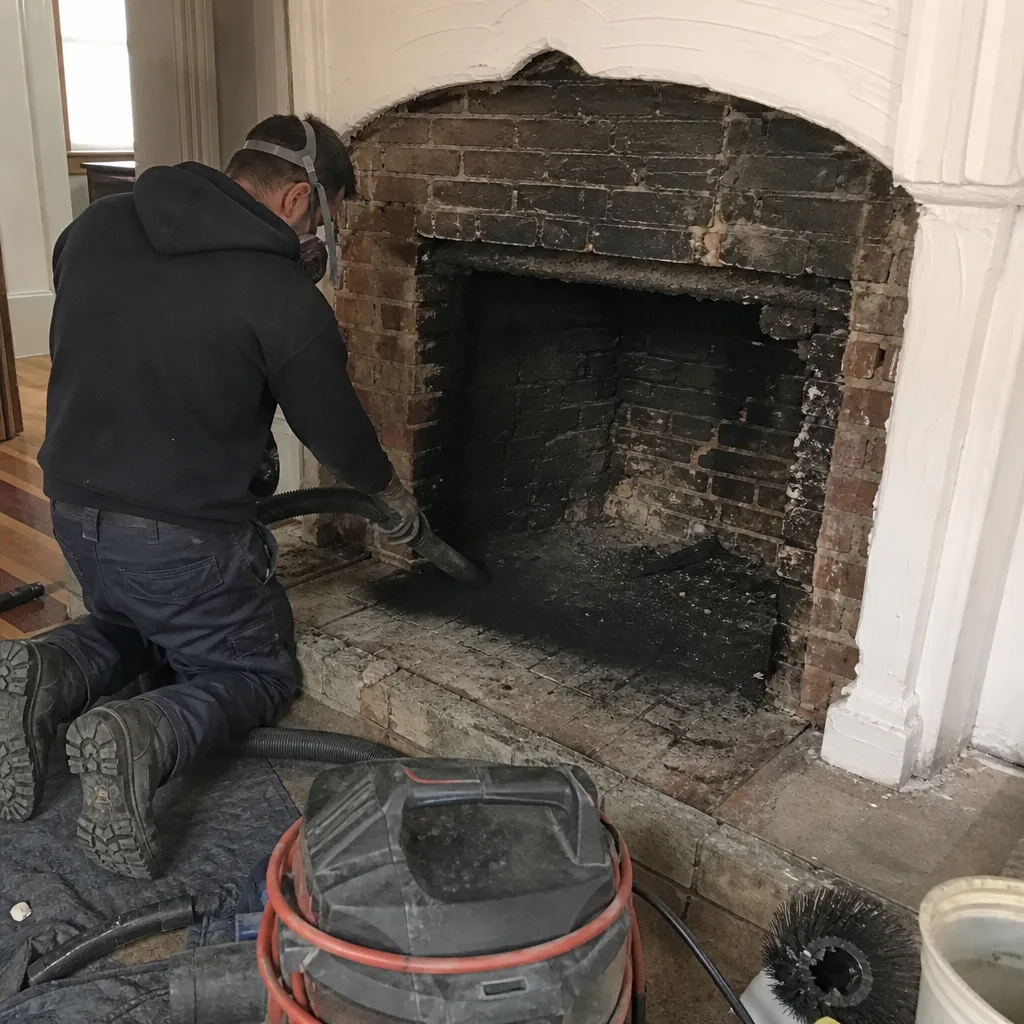 Before
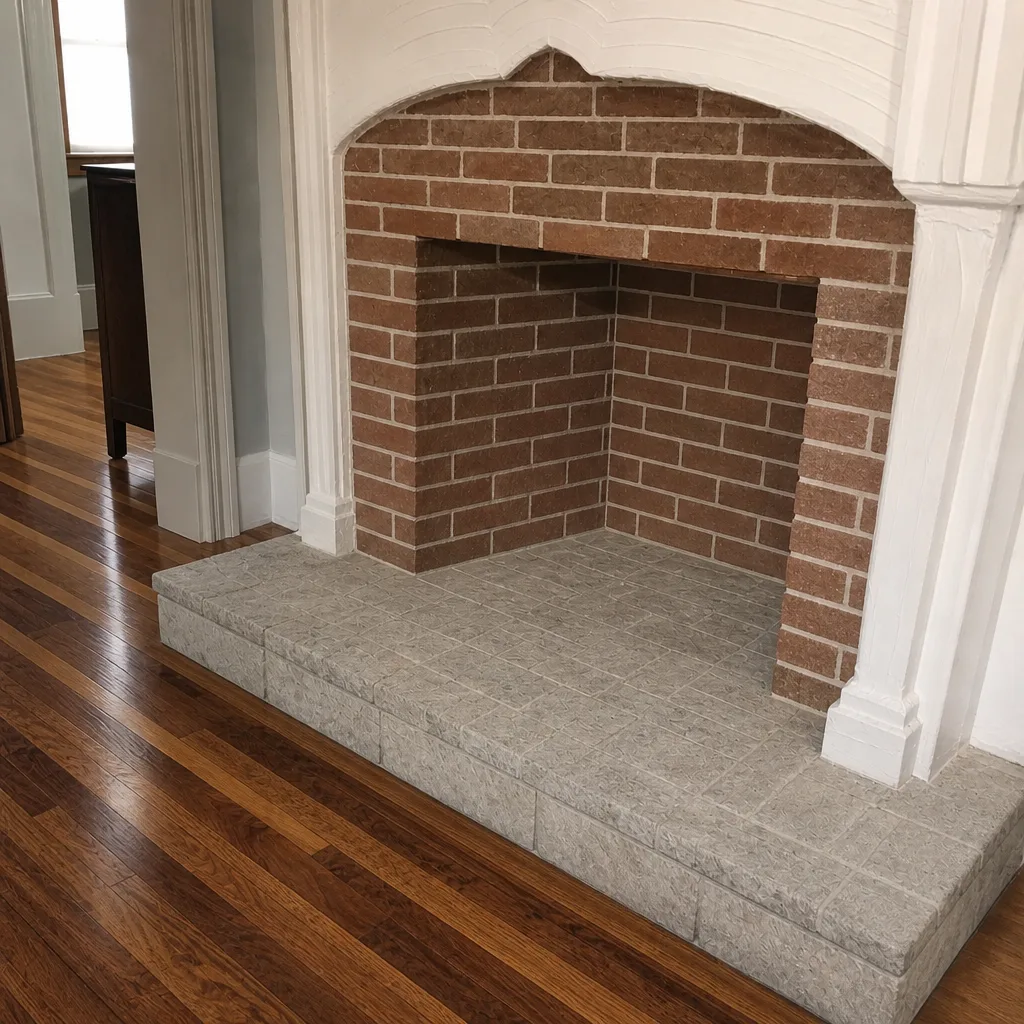 After
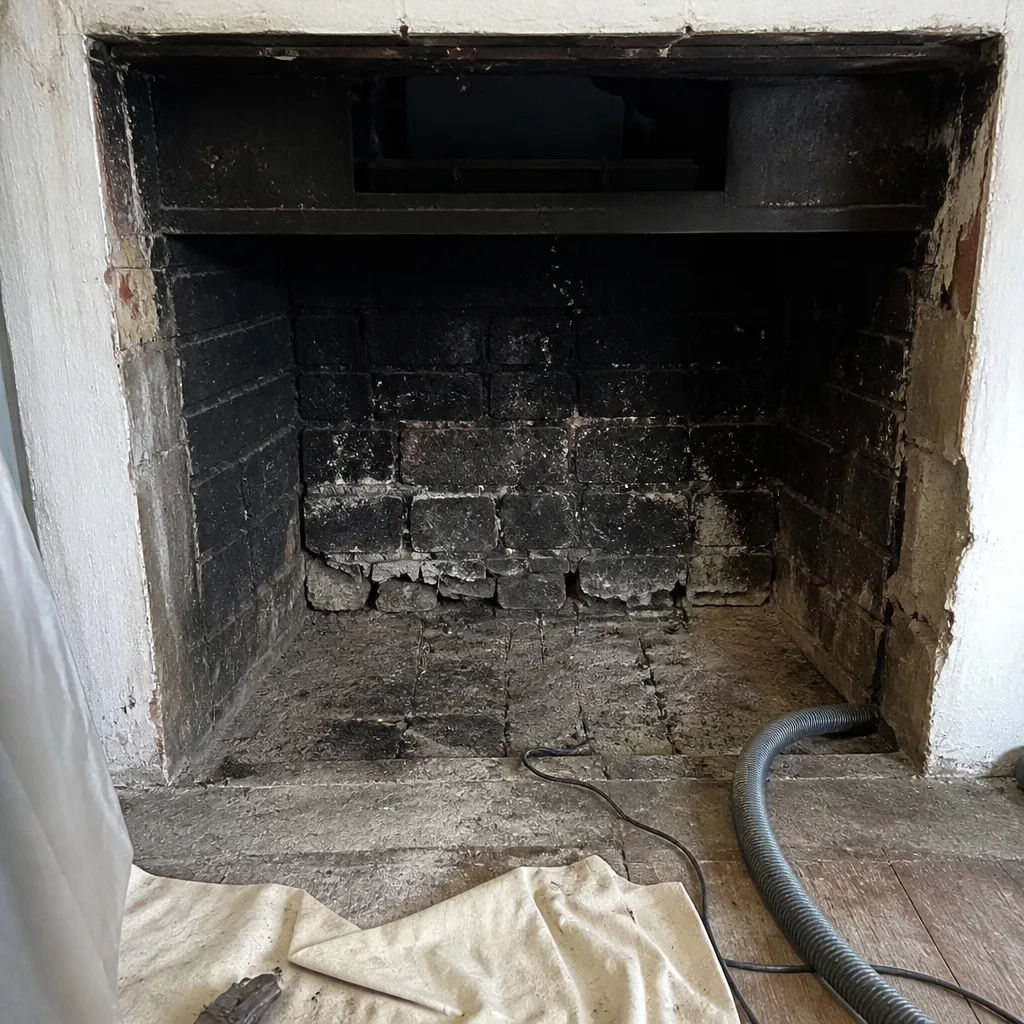 Before
 After
 Before
 After
When to Call a Professional
Call a professional when you’ve had a chimney fire, when you’re buying or selling a South Beach home with a fireplace, when you’ve just changed the appliance or fuel, or when a sweep has recommended a repair you can’t verify. Call when your cap has gone missing or your crown has started to crack, and call when your chimney hasn’t been inspected in a while and you’re burning wood regularly. The permit question by itself is not an emergency, but a crack in a liner or a crown that’s pulled away from the flue is worth a professional eye. Chimney Sweep South Beach offers free estimates in South Beach. Call (833) 508-9938. We answer 24/7. Fast dispatch from 7am to 7pm, Sunday through Friday.
Frequently Asked Questions
No. Chimney cleaning, sweeping, and inspection are maintenance and don’t require a DOB permit. A permit is required when a cleaning uncovers work that changes the structure of the chimney, such as a liner replacement, a crown rebuild, or significant masonry repointing. Call (833) 508-9938 for an exact quote on a cleaning or inspection – estimates are free.
Estimates in South Beach depend on the chimney, the appliance, and the level of inspection attached. A routine sweep with a Level 1 inspection is a different job from a Level 2 sweep with a video camera inspection. The written estimate sets the final price, and a permit filing, if one is needed, is a separate item. Call (833) 508-9938 to get a specific estimate for your chimney.
Only if the liner is actually damaged. A cracked tile, a gap at a joint, or a liner that no longer matches the appliance is the usual reason. The evidence should be the camera footage from a Level 2 inspection, which you should be able to see for yourself. If a technician can’t show you the damage on camera, ask for it before you agree to the work. Call (833) 508-9938 to book a Level 2 inspection.
The work itself may be fine, but you lose the DOB inspection record that proves it. That matters if you have a chimney fire and the insurer looks at the liner, or if you sell and the buyer’s attorney asks for the permit history. Unpermitted recent work is a closing problem; it’s much easier to file the permit before the work starts. Call (833) 508-9938 to talk through the scope.
Yes. The DOB’s public building information system lets you search by address for permits and filings. Look specifically for chimney and masonry work, and check whether anything was filed but never closed out. Any chimney company that inspects the property should be able to help you interpret what the history shows. Call (833) 508-9938 if you’d like us to review the history with you during an inspection.
Once a year is the usual schedule for a wood-burning chimney that’s in regular use, with a Level 1 inspection attached. A gas appliance is on a different schedule, since there’s no creosote to remove. A chimney that’s had a fire, a conversion, or a change in fuel needs a Level 2 inspection regardless of when it was last swept. Call (833) 508-9938 to book a sweep.
The Bottom Line
Cleaning is maintenance; repair is construction. In South Beach, a routine sweep needs no permit, but a liner replacement, a crown rebuild, or deep masonry repointing does, because NYC Building Code Section 28-105.1 lists them as permitted work. The filing usually runs through a licensed architect or engineer and can go through self-certification under Directive 14 when the scope is clear. The system has to meet NFPA 211, and the standard applies differently to a wood-burning chimney than to a gas vent. Pull the permit history on any South Beach property before you buy or sell. And when you’re looking at a repair, be sure the permit is filed before work starts, so the paper trail exists for your insurer and your closing.
We handle cleaning, fireplace repair, chimney repair, chimney cap & crown work, and inspections as a full-system job, and we work with you on the permit question as part of the estimate. Our technicians have up to 14 years of experience, and we use professional-grade components like DuraFlex liners and HeatShield restoration materials when the scope calls for them. If the inspection shows a liner or a crown that needs work, we’ll tell you plainly which category it falls into and whether a permit is likely required. Call (833) 508-9938 for a free estimate on your South Beach home. We answer 24/7. Fast dispatch from 7am to 7pm, Sunday through Friday. Visit Chimney Sweep South Beach to see the full scope of what we handle.
Written by the team at Chimney Sweep South Beach.