
Last updated November 25, 2026
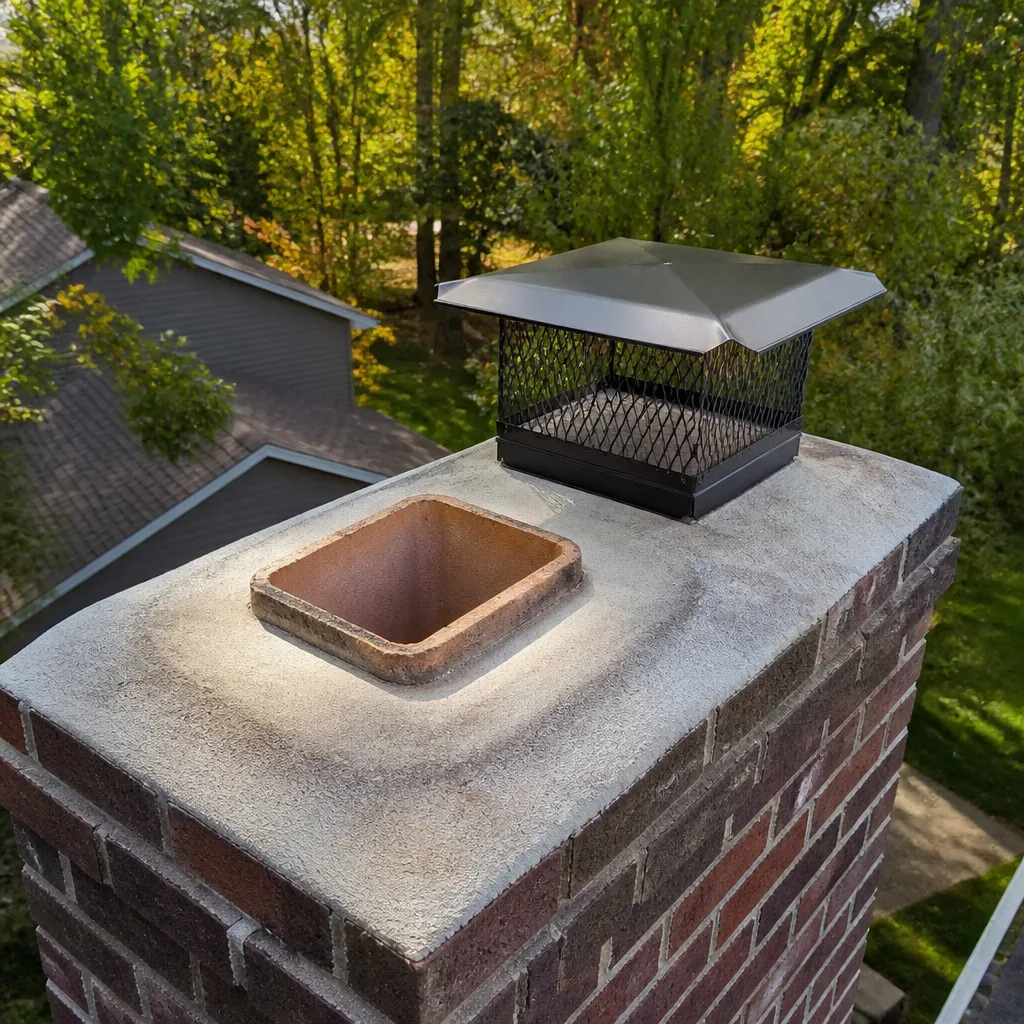 Sweep & inspection
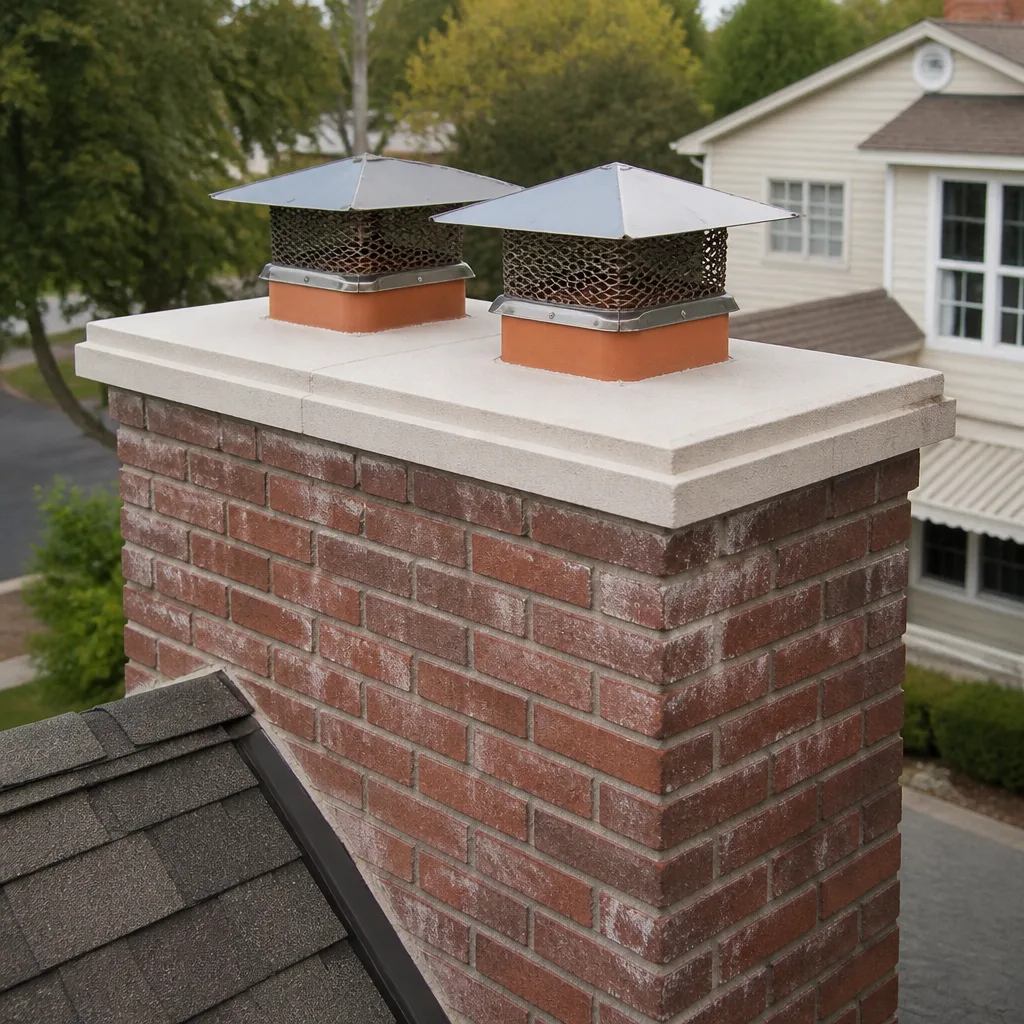 Caps & crowns
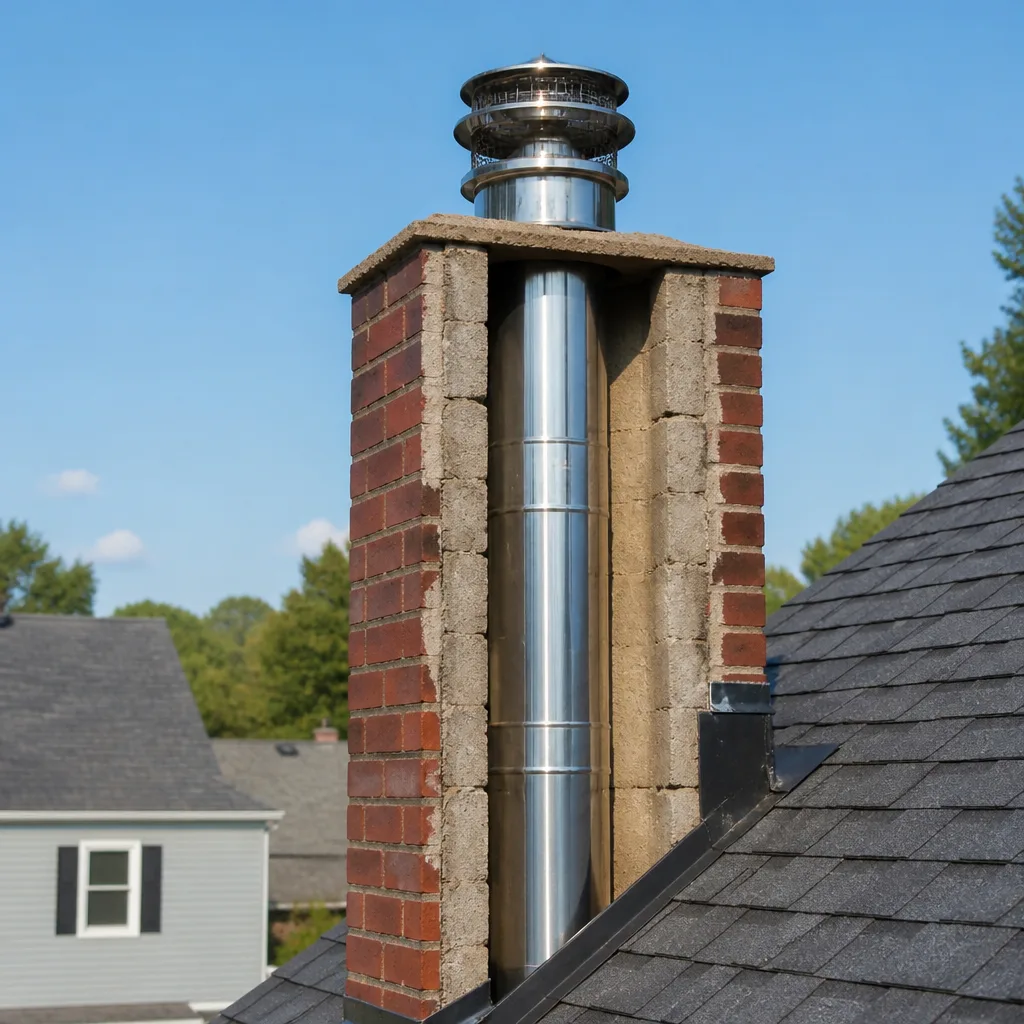 Flue relining
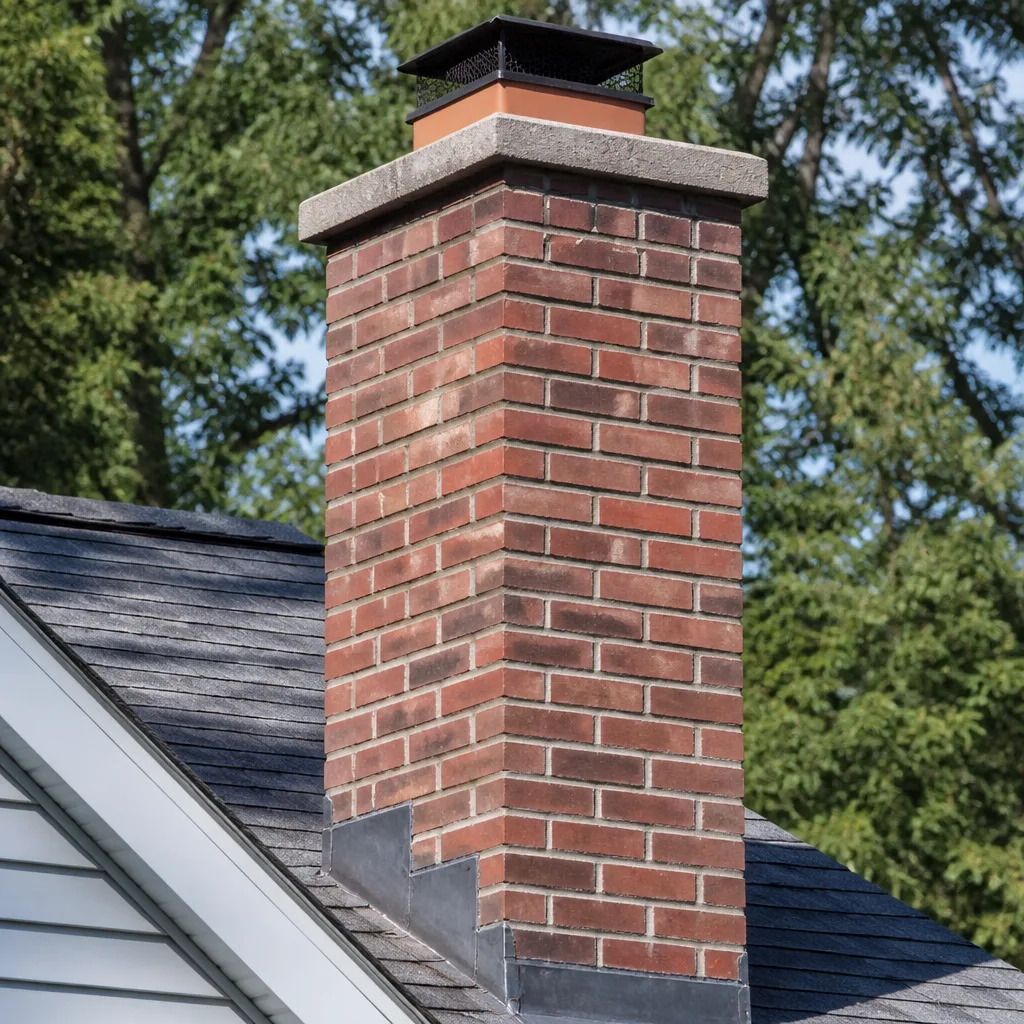 Masonry repair
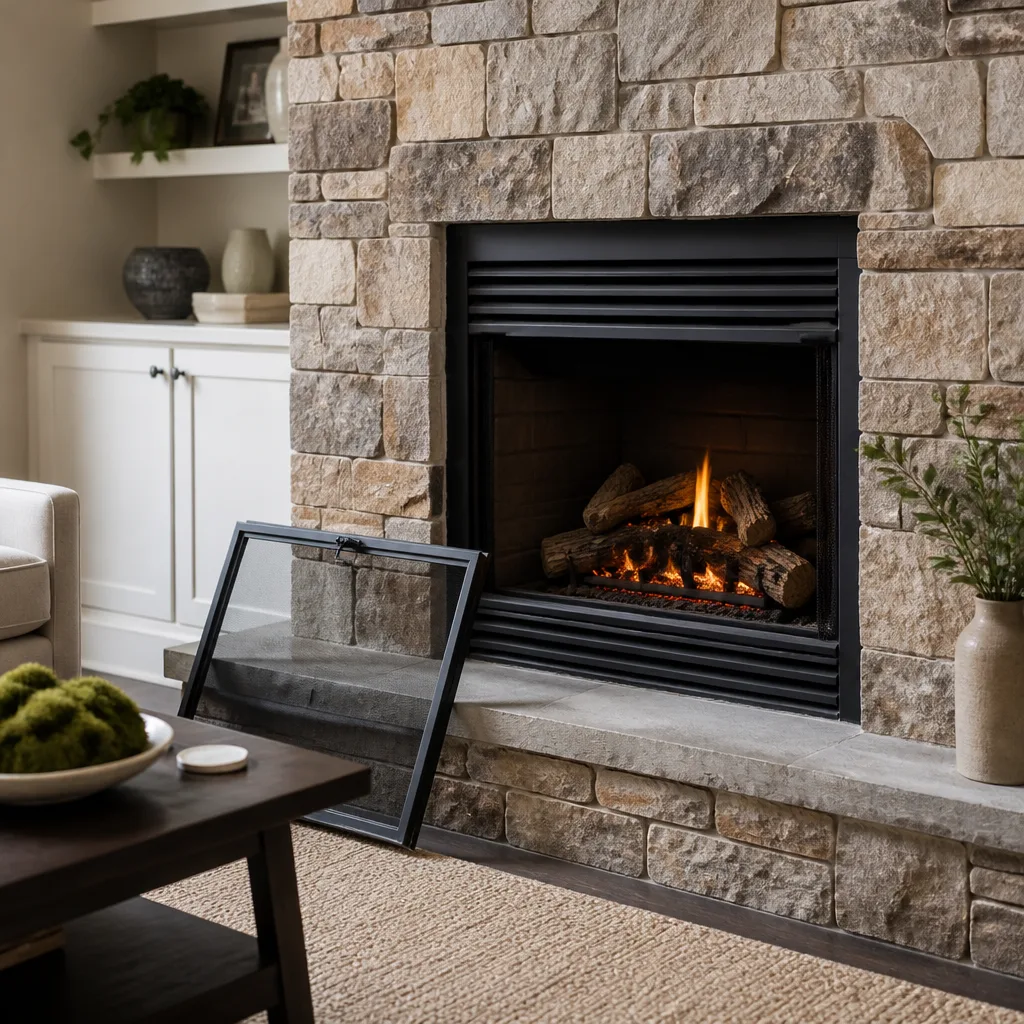 Gas fireplace service
Level 1 sweep and inspection to the NFPA 211 annual standard - flue, crown, cap, and flashing checked and photographed
Chimney sweep logs do not sweep chimneys. They loosen some creosote - which then falls where a brush and vacuum still have to collect it.
Seasonal Chimney Cleaning Care for South Beach: Year-Round Homeowner’s Guide
Most homeowners schedule a chimney cleaning in October because that’s what people do before winter. In South Beach, that timing gets the order of operations backwards. A fall sweep cleans out what a summer of heat and humidity has already baked into your crown, and it happens before anyone has looked closely at what last February’s freeze-thaw cycles did to the brick. Ocean County’s barrier-island climate doesn’t follow the same calendar as the rest of New York, and treating it like it does leaves whole failure modes unexamined. This guide breaks the year into four seasons and assigns each one the tasks the environment actually demands, so your chimney gets checked the way South Beach weather wears on it.
Quick Answer
In South Beach, chimney care should be scheduled across four seasons rather than once a year: late summer for pre-season cleaning and humidity protection, fall for the sweep itself, winter for watching active freeze-thaw damage, and spring for post-winter structural inspection. Because the barrier-island environment shifts the optimal calendar by roughly 60 days compared with standard New York recommendations, a single October sweep misses both the summer moisture damage and the winter freeze-thaw wear that South Beach chimneys actually face.
Styles & brands we work with
- Sweep & inspection
- Caps & crowns
- Flue relining
- Masonry repair
- Gas fireplace service
Table of Contents
- Why South Beach Chimneys Age Differently
- Summer: Protecting Masonry Before Humidity Peaks
- Fall: Timing the Pre-Season Sweep Correctly
- Winter: Reading Active Freeze-Thaw Damage
- Spring: Post-Winter Structural Assessment
- Building a 12-Month Maintenance Log
- Inspection vs. Sweep: What Each One Catches
- Common Mistakes to Avoid
- When to Call a Professional
- Frequently Asked Questions
Why South Beach Chimneys Age Differently
A chimney in South Beach is subject to a stress calendar that inland chimneys simply don’t experience. The barrier-island setting means humidity lingers through the summer, masonry absorbs moisture for months, and then winter delivers repeated freeze-thaw cycles that pop brick faces and open hairline cracks in the crown. Wind load adds a third pressure all year. Each season produces its own distinct failure mode, and a single annual cleaning isn’t timed to catch all of them.
That’s the core problem with the “clean once before winter” habit. It addresses creosote buildup, which matters, but it doesn’t address the moisture and thermal cycling that determine how long the structure lasts. A chimney can pass a basic sweep with a clean flue and still have a crown that’s already cracking from the previous winter, or cap mesh that’s corroding after a humid summer.
In our experience across South Beach, the chimneys that hold up best are the ones where the homeowner has shifted their thinking from “annual cleaning” to “seasonal monitoring.” That’s what this guide teaches: four checkpoints a year, each tied to what the local environment is doing to the masonry at that moment.
What the four seasons actually stress
- Summer: sustained humidity, moisture absorption into brick and mortar, corrosion of metal cap components
- Fall: the first cool, damp shoulder-season temperatures, when fires start and creosote begins to accumulate in flues still cool from summer
- Winter: freeze-thaw cycling, spalling, crown cracks under repeated expansion and contraction
- Spring: the reveal, when the full extent of winter damage becomes visible as temperatures stabilize
Summer: Protecting Masonry Before Humidity Peaks
Summer is the season most homeowners ignore their chimney entirely, and it’s the season in South Beach where the most preventable damage happens. High humidity drives moisture into exterior masonry, and if that moisture is sealed behind a wrong coating, it traps and causes spalling that shows up first in winter. The goal in summer isn’t cleaning; it’s inspection and protection before the humid season peaks.
The summer checklist
- Inspect for salt efflorescence. A white, powdery bloom on exterior brick is a sign that moisture is migrating through the masonry and evaporating on the surface. It isn’t cosmetic. It’s a marker that water is finding a path through, and it should be documented and addressed before it leads to spalling.
- Check the cap mesh for corrosion. Metal spark screens and cap mesh take humidity hard through the summer. A corroded screen lets birds, squirrels, and debris into the flue, and a rusted cap no longer sheds water away from the crown.
- Assess the crown before the wet season. The crown is the concrete or masonry surface on top of the chimney that sheds water. Any hairline crack that’s visible in summer will widen once freeze-thaw begins in winter.
- Apply a vapor-permeable water repellent. A product like ChimneySaver lets the masonry breathe while still shedding liquid water. A non-permeable sealant traps moisture and causes more damage than it prevents. This step belongs in summer in South Beach, before the humidity peaks.
These tasks catch the coastal-climate failures before they compound. We see the difference between chimneys that get a summer check and those that don’t when the winter damage is reviewed in spring.
Fall: Timing the Pre-Season Sweep Correctly
This is where the standard calendar and the South Beach calendar diverge most. The conventional advice to schedule a sweep in late October works because inland temperatures have dropped and the flue has cooled. But in South Beach, shoulder-season temperatures tend to stay warmer later, and that warm, damp window produces faster creosote formation in the first fires of the season than cold, dry weather does.
Late September versus late October
For a South Beach chimney, the sweep window typically falls earlier than a conventional October schedule. A late September sweep catches the summer’s residual debris and any loose material that came down the flue during the off months, and it gives the technician a chance to inspect for the summer moisture damage discussed above while it’s still fresh. Waiting until late October means you’ve already had your first fires, and now the sweep is cleaning out early-season creosote while nobody has looked at the summer damage yet.
That 60-day shift isn’t arbitrary. It’s the difference between cleaning before problems compound and cleaning after they’ve already started. A fall sweep in South Beach should also be paired with a visual inspection of the crown, cap, and flashing, since the shoulder season is the ideal time to schedule a chimney cap & crown inspection before hard winter weather sets in.
What the fall appointment should cover
- A proper sweep of the flue to clear summer debris and any early creosote
- A visual inspection of the external structure: crown, cap, flashing, mortar joints
- A report with photographs of anything that needs watching through winter
- Recommended repairs scheduled before the ground freezes
If you’re new to the home, the fall appointment is also the right time to establish a baseline. It’s what a first chimney sweep should produce: a clean flue, a documented condition, and a list of what to watch.
Winter: Reading Active Freeze-Thaw Damage
Winter is when South Beach chimneys do their most structural work, and the damage doesn’t wait until spring to appear. Freeze-thaw cycling is the mechanism: water enters a crack or a mortar joint, freezes, expands, and opens the crack further each cycle. Every year of this wear makes the structure a little less able to shed water.
Signs to watch for during the season
- Spalling brick faces. A brick face that’s flaking or falling away in pieces is a brick that has absorbed water and been through freeze-thaw. Note where you see this and how large the flaked area is.
- Hairline crown cracks. Any crack on the top surface will widen through winter. Look for cracks that appear on a dry day and trace where they run.
- Displaced flashing. Flashing that has lifted or pulled away from the chimney at the roofline is the most direct path for water to enter the home’s structure.
You don’t need to climb up to check. Note from the ground what you can see, and schedule an inspection if anything looks different from fall. The key point about winter is that you don’t wait until spring to log damage. Freeze-thaw damage is easier to address when you know it’s happening, and the spring assessment is more useful when you have winter notes to compare against.
This is also the time of year to watch for symptoms inside the home: a fire that draws poorly, a smoky odor in the room, or drafts coming down the flue. Those are signs that need a professional’s attention, not a wait-and-see approach. If they appear, call.
Spring: Post-Winter Structural Assessment
Spring is the reveal. Temperatures stabilize, moisture stops freezing, and the full extent of what winter did to the masonry becomes visible. This is the most important inspection of the year in South Beach, because it’s the one that determines what repairs the coming year needs.
Spring tasks, in order
- Inspect all mortar joints. After a winter of freeze-thaw, mortar joints should be checked for cracking, crumbling, or missing mortar. Joint inspection is often the earliest indicator that the structure is losing integrity.
- Re-assess the crown and cap. A crown that showed only hairline cracks in fall may now have a wider gap. The cap mesh may have lost more material.
- Schedule liner camera work while the flue is cold. A camera inspection of the interior flue is best done while the chimney hasn’t been used for a while. Spring is ideal, because the flue is cold and the inspection is more comfortable and more thorough. This is where a professional-grade liner like DuraFlex becomes relevant, since the flexible stainless system can reline a damaged flue without full demolition.
- Address any liner damage before the summer humidity sets in. A cracked flue liner lets moisture and gases into the structure. Address it in spring, when temperatures are moderate and access is easy.
Spring is also when an annual Chimney Sweep South Beach inspection record is most valuable. A photographed report taken in spring gives you a baseline to compare against the next fall’s findings, and it’s the document insurance companies and buyers want to see. From inspection to repair, we handle it in-house, so the same team that finds a problem in spring is the team that fixes it.
Building a 12-Month Maintenance Log
A seasonal maintenance log turns a set of scattered observations into a document that carries real value. If you ever file an insurance claim or sell the home, a well-kept log that shows documented care is worth more than any single inspection report, because it shows a pattern of attention.
How to build the log
- Open with a spring baseline. Record the spring inspection findings: mortar condition, crown condition, cap condition, liner findings. Photograph each area.
- Log the summer checks. Note any efflorescence you saw, any cap mesh corrosion, and the date of any water repellent application.
- Record the fall sweep. Include the date, the condition reported, and any repairs scheduled.
- Add winter observation notes. Even informal notes about spalling you noticed from the ground matter.
- Repeat each year and compare. The value is in the comparison. A crack that’s stable year to year is one story; a crack that widens is another.
Attach the contractor’s annual inspection report to the log each year. When we perform an inspection, the report meets real estate transaction and insurance documentation needs, which means it’s built to be filed and referenced later, not just glanced at. Pair the log with a summary sheet at the front that lists the year, the seasons, the major findings, and any repairs made.
Inspection vs. Sweep: What Each One Catches
A sweep and an inspection are not the same thing, and in South Beach the seasonal schedule requires both. A sweep removes creosote and debris from the flue. An inspection evaluates the entire system: the flue, the liner, the cap, the crown, the flashing, the mortar, and the firebox.
- A sweep alone leaves you with a clean flue but no record of the crown crack that’s been widening in winter.
- An inspection alone tells you the condition but leaves creosote in the flue where it affects how the fire draws and where it accumulates over the season.
- Both, on the same visit, give you a clean flue and a documented condition in one appointment. This is what we recommend for South Beach homeowners.
When the inspection reveals a structural problem, the continuity matters. We use HeatShield for in-place flue liner restoration when the damage is surface-level, because it addresses interior flue wear without full rebuilding. When the liner needs to be replaced outright, a DuraFlex system allows relining without demolition. The right product for the right repair, chosen from professional-grade brands we know well.
Common Mistakes to Avoid
- Treating the October sweep as the whole job. It’s one checkpoint out of four. In South Beach, a single fall appointment misses the summer moisture protection and the winter freeze-thaw monitoring that determine how long the structure lasts.
- Applying a non-permeable sealant in summer. A sealant that blocks vapor while trapping water inside the masonry causes spalling. Use a vapor-permeable repellent like ChimneySaver, and apply it before humidity peaks.
- Assuming a clean flue means a sound chimney. A sweep can leave a cracked crown, a displaced flashing, or a failing liner completely unaddressed. The flue is not the whole system.
- Waiting until spring to note winter damage. Freeze-thaw damage is easier to address when you’ve documented it as it appeared. If you only inspect in spring, you’ve lost the timeline that tells a contractor whether a crack is stable or active.
- Skipping the maintenance log because “nothing happened.” A log with a quiet year recorded is still a log. It shows the inspection happened and the system was sound, which is exactly what an insurance company or buyer wants to see.
- Ignoring a cap because it “still works.” A corroded cap mesh lets debris into the flue and a warped cap lets water into the crown. Both are cheap to address in summer and expensive to fix after a winter of water ingress.
- Splitting inspection and repair between two providers. The accountability gap between “the inspector found it” and “the repairer fixed it” is where small problems become expensive ones. A full-system provider closes that gap.
When to Call a Professional
Some seasonal tasks, like a visual crown check and a water repellent application, can be done by a careful homeowner. But several situations call for trained hands, and in South Beach the seasonal schedule makes it clear which is which.
Call a professional if you see spalling brick faces, a cracked or crumbling crown, displaced flashing, or mortar that’s missing from joints. Call if your fire draws poorly, if smoke enters the room, or if you smell a persistent smoky odor. Call if you’ve never had an inspection and don’t know the condition of the liner, or if you’re buying or selling a home and need a documented inspection. A damaged flue liner is a safety matter, and it isn’t something to diagnose from the ground.
Chimney Sweep South Beach offers free estimates in South Beach. Call (833) 508-9938. We answer 24/7. Fast dispatch from 7am to 7pm, Sunday through Friday. Our technicians have up to 14 years of experience, and every visit is held to one standard: safe to burn.
Frequently Asked Questions
A chimney in South Beach should be swept at least once a year, ideally in the early fall before the heating season. Homes that burn frequently should consider a mid-season check as well. Because the barrier-island environment creates a stress calendar that includes summer humidity and winter freeze-thaw, the annual sweep should be paired with a seasonal inspection in spring and a condition check in summer. Call (833) 508-9938 for an exact quote – estimates are free.
Yes, and for a different reason than you might expect: in South Beach, the fall sweep is also the pre-season inspection, catching summer moisture damage and crown cracking before winter freeze-thaw can widen them. Even if you burned nothing, the structure has been through a summer of humidity and a shoulder season of dampness. Fall is the checkpoint that sets you up for a safe winter. Call (833) 508-9938 for an exact quote – estimates are free.
A sweep cleans the flue; an inspection evaluates the whole system including the liner, cap, crown, flashing, mortar, and firebox. In South Beach’s four-season schedule, you need both, and the best value comes from having them on the same appointment so the flue is clean and the condition is documented in one visit. Call (833) 508-9938 for an exact quote – estimates are free.
The product choice matters more than the application. A non-permeable sealant traps moisture in the masonry and causes spalling, which is worse than leaving the brick untreated. If you choose to apply it yourself, confirm the product is vapor-permeable, like ChimneySaver, and apply it in summer before humidity peaks. If there’s any visible crown crack or spalling, have it inspected first, because a water repellent shouldn’t be applied over failing masonry. Call (833) 508-9938 for an exact quote – estimates are free.
Liner work is only needed when there’s visible evidence of damage: a cracked or deteriorated flue interior that a camera inspection shows you. Ask to see the camera images yourself before authorizing any liner repair, and ask whether in-place restoration with a product like HeatShield could solve it instead of a full reline. A reputable provider will show you the evidence and explain the options. Call (833) 508-9938 for an exact quote – estimates are free.
Keep a written log with dates, seasonal findings, and photographs, and attach the contractor’s annual inspection report each year. A report that documents a pattern of seasonal care carries weight when an insurance company or a buyer’s inspector asks about the chimney’s condition. The log is only as good as its consistency, so record even the quiet years. Call (833) 508-9938 for an exact quote – estimates are free.
The Bottom Line
South Beach’s barrier-island climate doesn’t reward the standard “one sweep before winter” habit. It rewards a 12-month rhythm: protect and inspect in summer, sweep and check in early fall, watch for active freeze-thaw damage through winter, and assess the full structure in spring while the flue is cold. Each season produces its own failure mode, and the four-checkpoint calendar catches all of them. Pair the calendar with a written maintenance log, have both a sweep and an inspection done on the same visit, and when repairs are needed, have the same team that found the problem fix it. That’s the standard every visit is held to: safe to burn.
Ready to build your South Beach chimney care calendar? Call (833) 508-9938 for a free estimate. We answer 24/7. Fast dispatch from 7am to 7pm, Sunday through Friday. Whether it’s a seasonal inspection, a fireplace repair, or a first look at a home you’re buying, one call resolves maintenance and repair without a third-party handoff.
Written by the team at Chimney Sweep South Beach.
See the difference
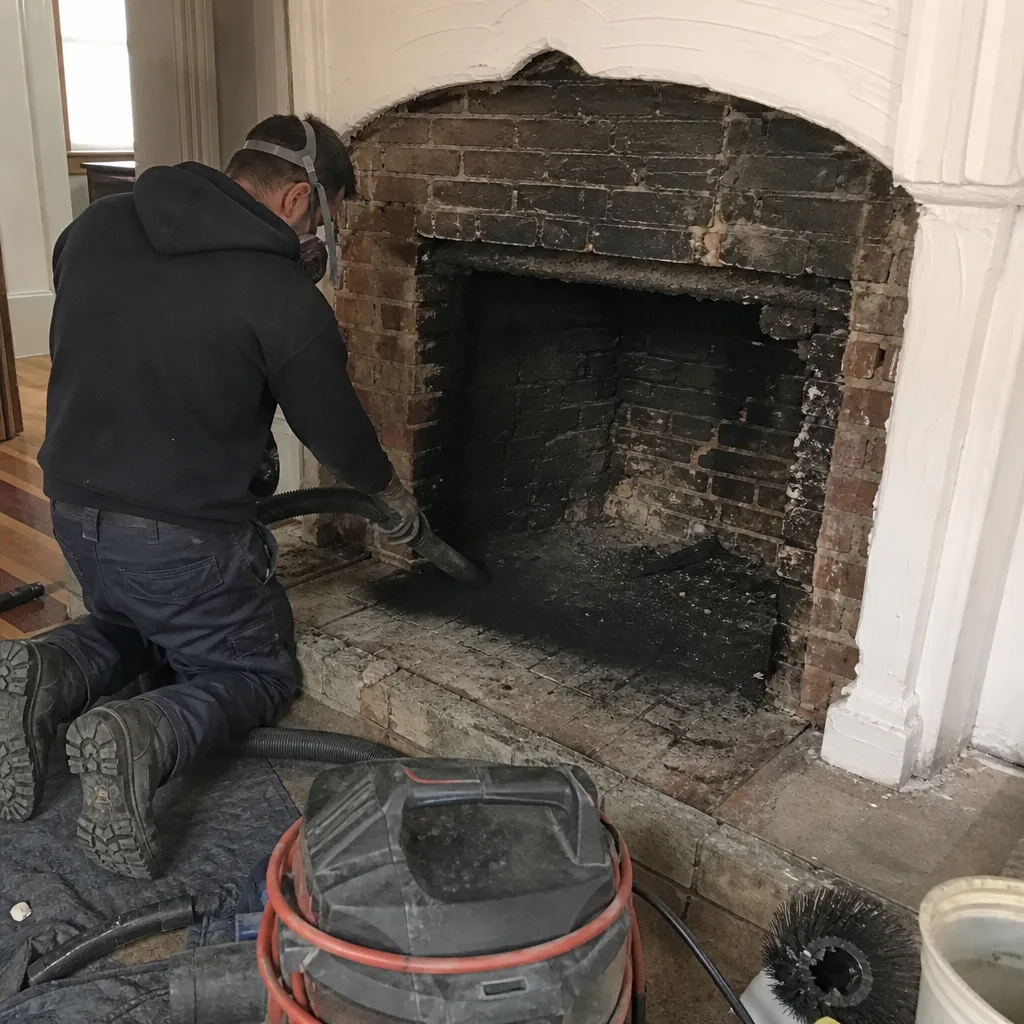 Before
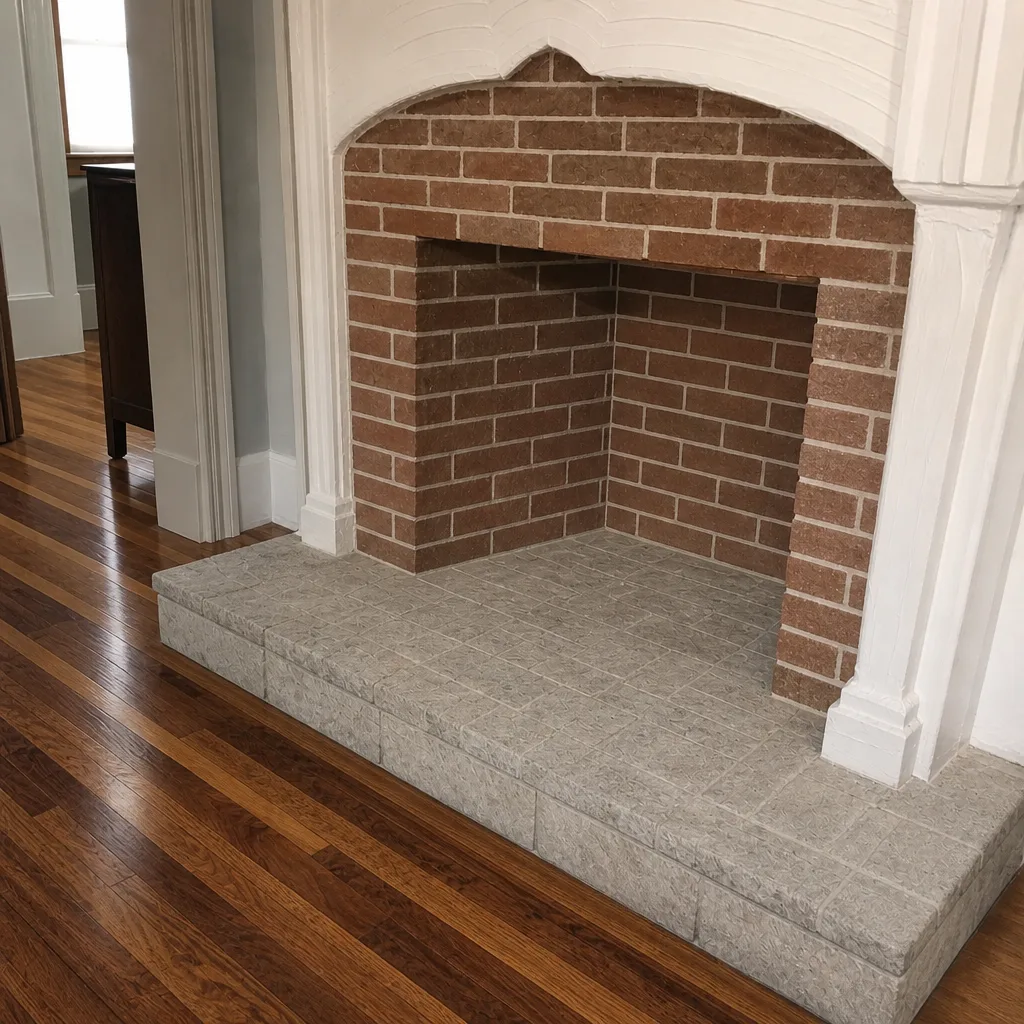 After
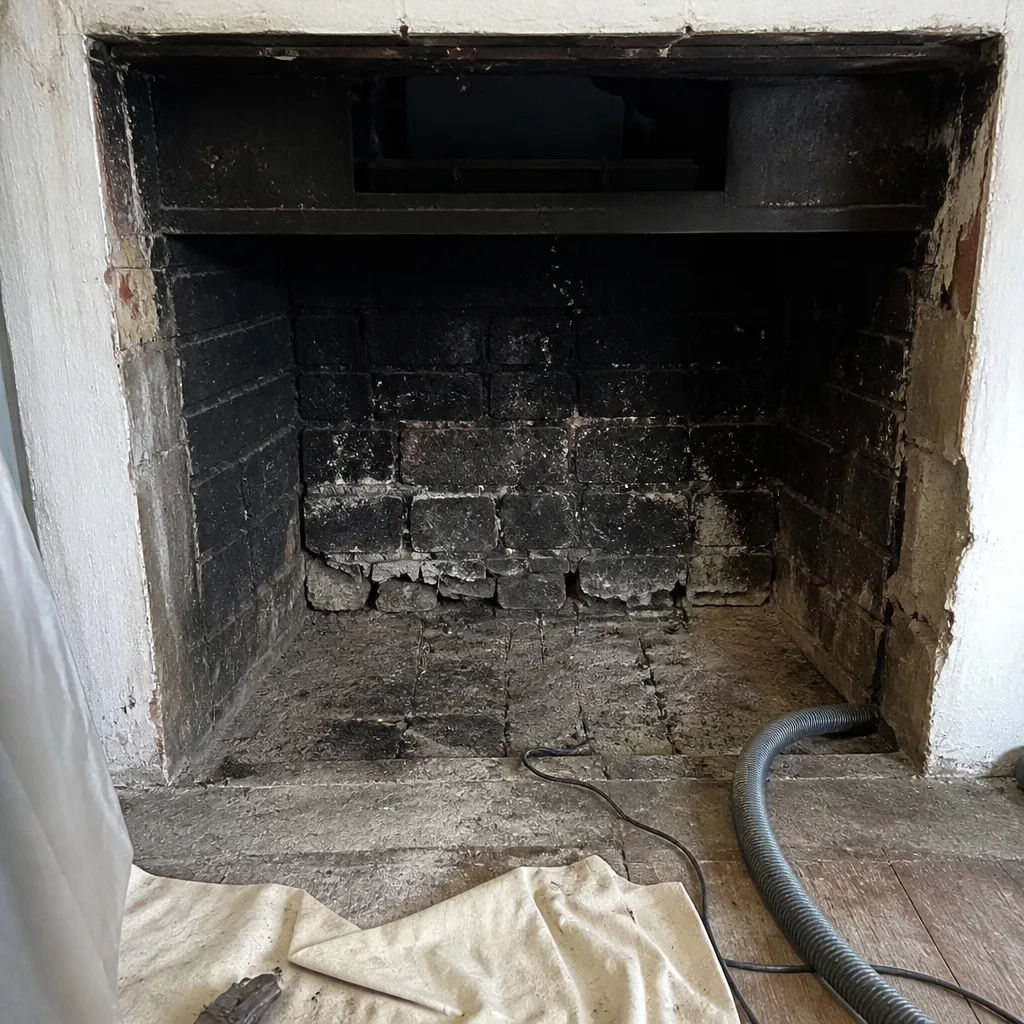 Before
 After
 Before
 After