
Last updated November 25, 2026
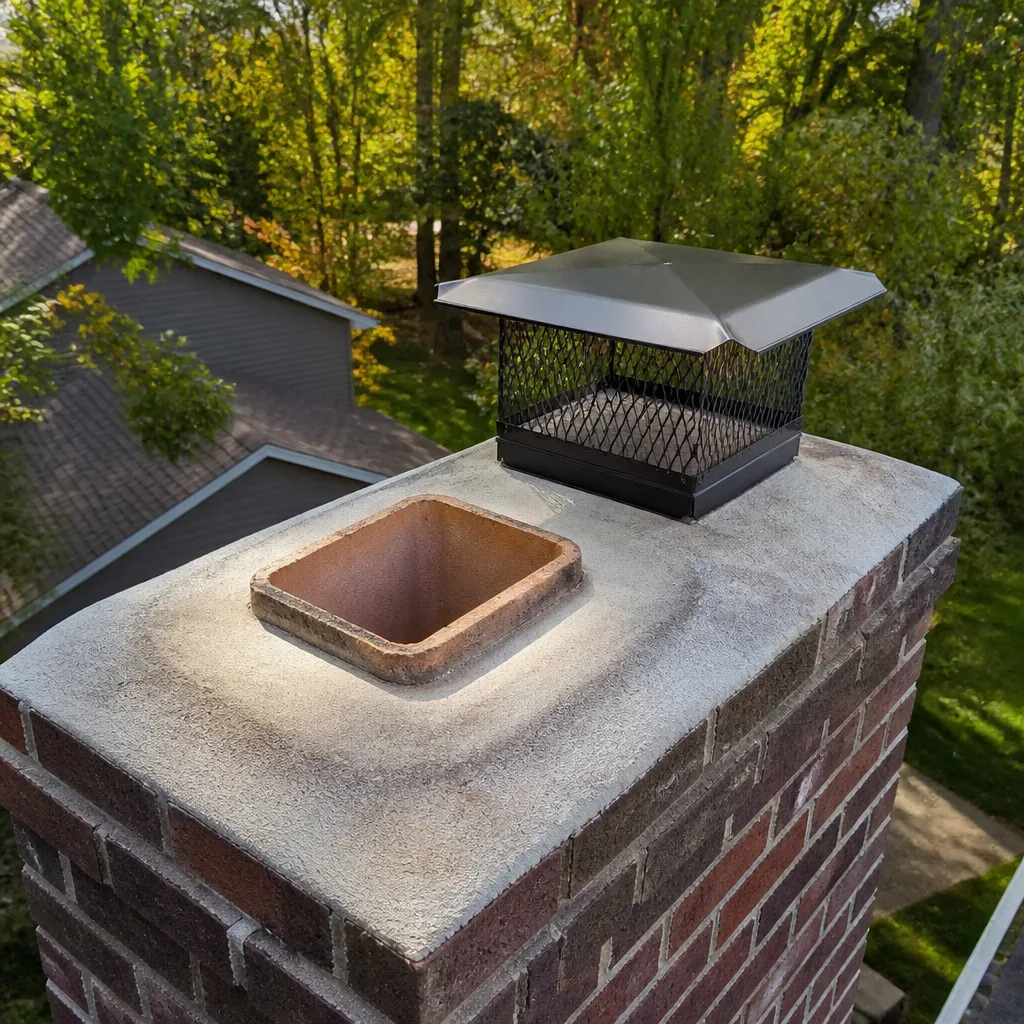 Sweep & inspection
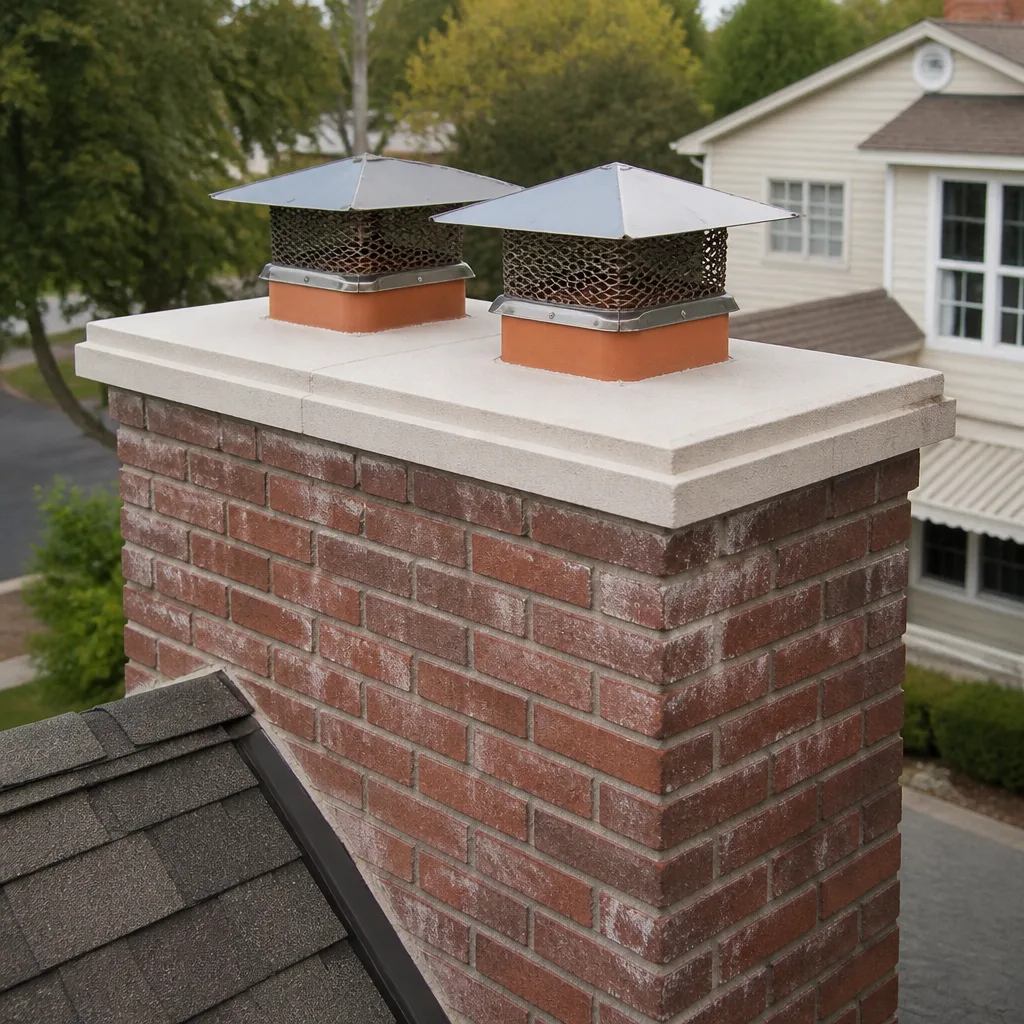 Caps & crowns
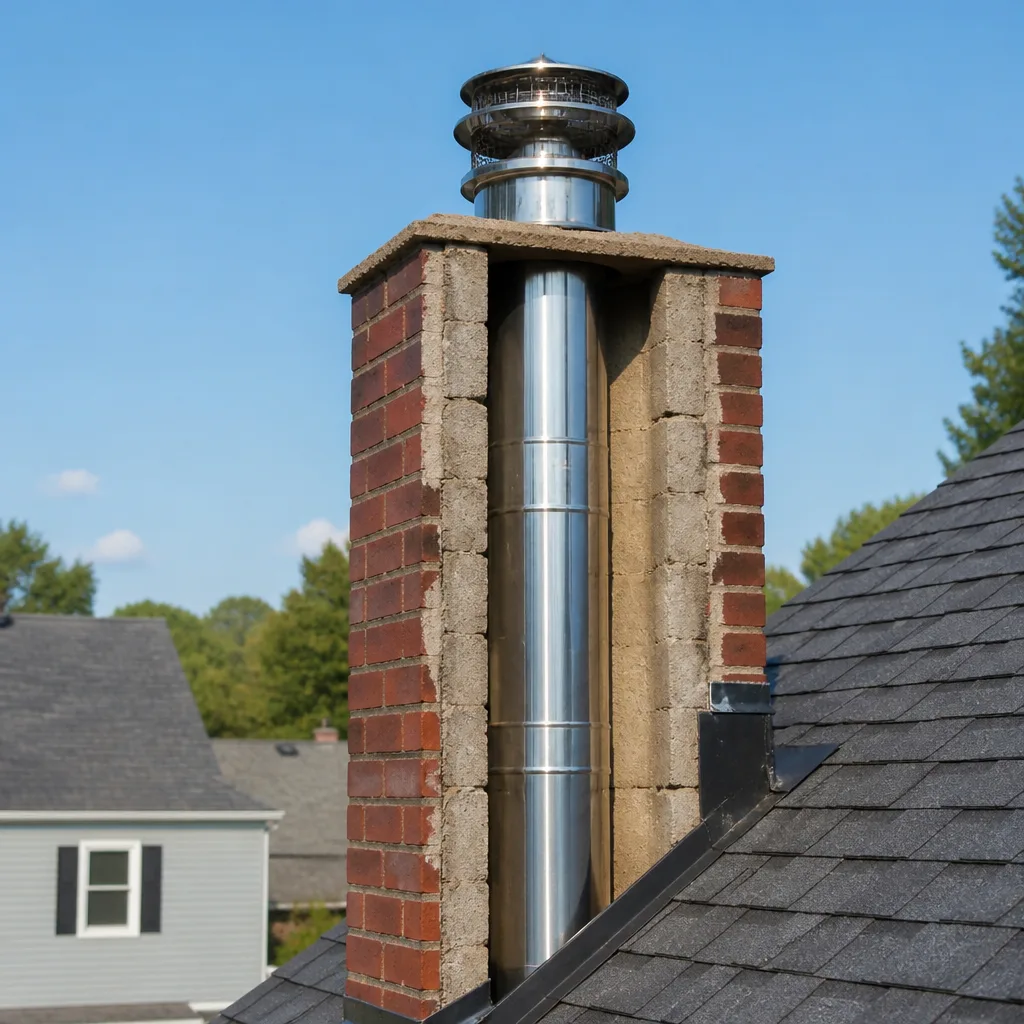 Flue relining
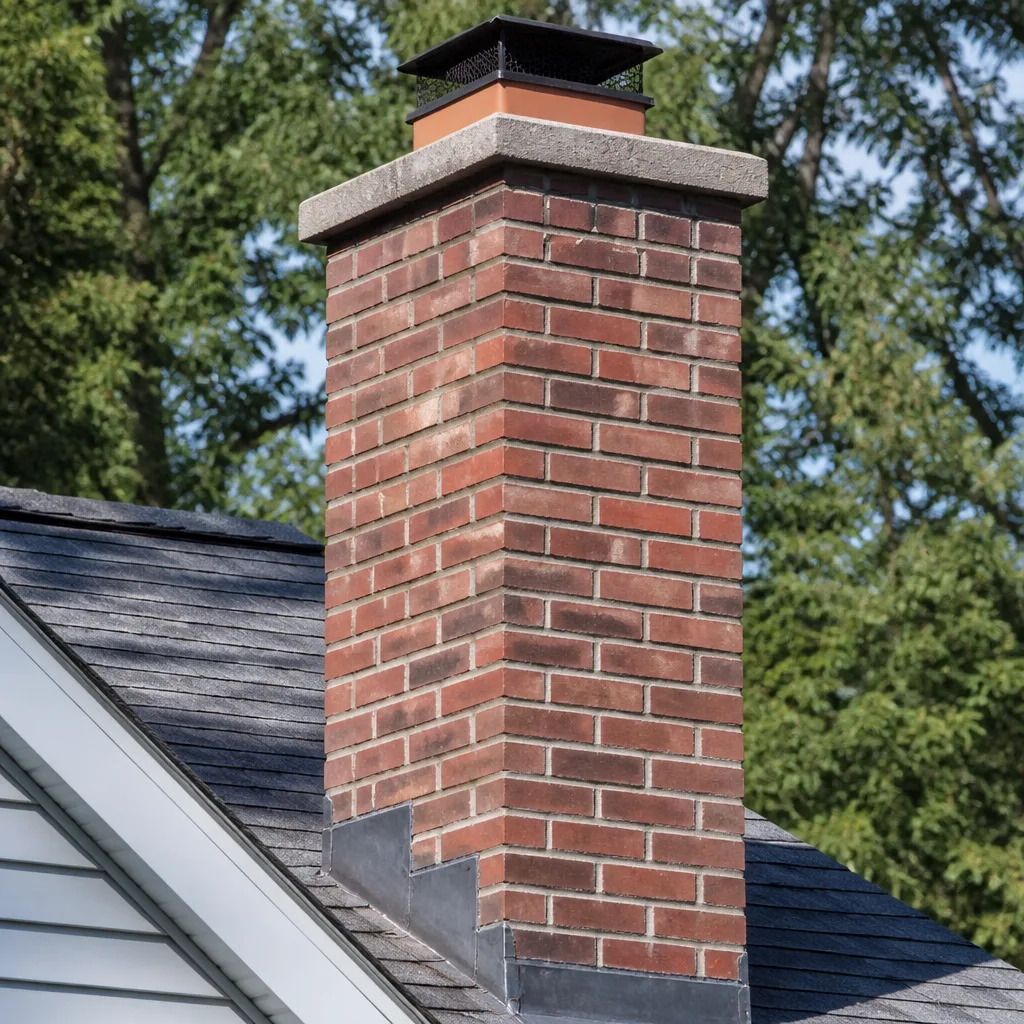 Masonry repair
 Gas fireplace service
Level 1 sweep and inspection to the NFPA 211 annual standard - flue, crown, cap, and flashing checked and photographed
Chimney sweep logs do not sweep chimneys. They loosen some creosote - which then falls where a brush and vacuum still have to collect it.
DIY vs Professional Chimney Cleaning: The South Beach Homeowner’s Decision Guide
Chimney brushes, rods, and drop cloths cost about $60 at a hardware store, and a motivated homeowner can remove stage-one creosote in an afternoon. The problem is that the same homeowner has no way to know whether the liner they just swept is cracked, whether the crown they can’t see from indoors has been compromised, or whether the smoke chamber corbeling is spalled. All of that creates fire risk the brush never touches. In this guide we’ll break down, task by task, what a South Beach homeowner can safely handle and what genuinely requires a trained professional with the right equipment. The answer might surprise you.
Quick Answer
For most South Beach homeowners, professional chimney cleaning is the better choice, not because DIY sweeping is dangerous in itself, but because the real value of a professional visit is the diagnostic layer that comes with it: a Level 2 inspection with a liner camera, creosote stage identification, and a documented record for your insurer. A homeowner can physically clean a flue. A homeowner cannot perform a certified inspection or see inside the flue without specialized tools and training.
Styles & brands we work with
- Sweep & inspection
- Caps & crowns
- Flue relining
- Masonry repair
- Gas fireplace service
Table of Contents
- Why the DIY vs. Professional Debate Misses the Point
- What a Homeowner Can Safely DIY
- What Requires a Professional
- The Tools That Change the Diagnostic Outcome
- South Beach Risk Factors That Raise the Stakes
- How DIY Affects Insurance Coverage
- The Hybrid Approach: Maintain Between Visits
- Common Mistakes to Avoid
Why the DIY vs. Professional Debate Misses the Point
Most articles on this topic frame the choice as a safety question: is it dangerous to clean your own chimney? That framing is incomplete. For a basic stage-one creosote sweep, the physical act of brushing is not especially hazardous if you’re careful and your roof access is sound. But cleaning a chimney is only the visible half of the job. The other half is figuring out what condition the system is in, and that half is where the real value sits.
Think about what a professional actually does during a visit. Yes, they run brushes through the flue. But they also examine the firebox for cracks, check the damper for proper operation, assess the smoke chamber for spalling, look at the crown for hairline fractures, check the cap for integrity and animal intrusion, and run a camera down the liner to spot gaps, offsets, or deterioration that you simply cannot see from the top or the firebox. That diagnostic layer is the part that keeps you safe, and it’s the part that a DIY sweep can’t replicate.
In South Beach, where housing stock runs toward older homes with clay-tile-lined or unlined chimneys, this matters more than average. A homeowner who sweeps and sees only the inside of the firebox may walk away satisfied while a cracked tile or a deteriorated mortar joint sits undetected above. The fire risk hasn’t been reduced. It’s just been made invisible. That’s the core argument in this guide: the value is not the brushwork, it’s the assessment.
What a Homeowner Can Safely DIY
There’s a real, useful role for the homeowner. Several routine maintenance tasks are perfectly safe to handle yourself, and they keep your fireplace in better condition between professional visits. Here’s what falls into that category:
- Ash removal. Once the firebox has cooled completely, scooping out accumulated ash is straightforward. A metal bucket and a scoop are all you need. Leave a thin ash layer under the grate as a bed for the next fire.
- Basic firebox vacuuming. A shop vacuum rated for fine ash removes soot from the firebox floor and around the grate. Never use a standard household vacuum; ash will ruin the motor and filters.
- Visual cap inspection from the ground. Standing safely at ground level, you can see if the cap is visibly loose, missing, or damaged, or if there’s an obvious obstruction. This is a look, not a climb.
- Checking the damper. Opening and closing the damper and confirming it seals and opens properly is a simple indoor check anyone can do before each burn season.
- Keeping the firebox area clear. Clearing combustibles away from the hearth and keeping the surround clean is basic housekeeping that reduces risk.
What all of these have in common is that they’re surface-level, low-risk, and don’t require getting onto the roof or manipulating a brush down a chute you can’t fully see. They help. They matter. But they are maintenance, not inspection.
What Requires a Professional
This is the honest dividing line. Some parts of chimney care demand equipment, training, and the physical ability to safely access areas most homeowners shouldn’t attempt. The following must be handled by someone qualified:
- The actual flue sweep. Properly sweeping a flue means running the correct brush size through the entire flue from the top or bottom, accessing the roof safely, and dealing with the creosote that comes down. Roof work is a fall risk, and improvising it is where most DIY injuries happen.
- Creosote stage identification. Creosote is not a single substance. Stage-one is fluffy and brushes off. Stage-two is a hardened crust. Stage-three is a glazed, tar-like coating that a brush will not remove and that is highly flammable. Telling these apart and knowing what’s required for each is a professional judgment call. Stage-three also sits in the category of “do not burn again until it’s handled.”
- Level 2 inspection with a liner camera. This is the single biggest thing DIY cannot do. Pushing a camera down the flue to see the liner’s full interior condition is how a cracked tile, a missing mortar joint, or a shifted section of clay liner gets found. It is also the inspection standard that real estate transactions and insurance documentation call for.
- Smoke chamber assessment. The smoke chamber above the damper is a sloped, corbeled space that collects creosote and is difficult to evaluate without proper access and experience. A homeowner looking up from the firebox cannot assess it.
- Any repair work. Cap repairs, crown repairs, liner restoration, and fireplace repair all fall here. If your inspection turns up a problem, the fix is not a homeowner project.
From inspection to repair, we handle it in-house at Chimney Sweep South Beach, which closes a gap that shows up when inspection and repair live with two different providers. If a problem is found, the same company that found it has the tools and materials to correct it. If you want more background on the routine side, our guide to a chimney sweep walks through what a standard visit covers.
The Tools That Change the Diagnostic Outcome
The reason a professional visit is worth more than a brush kit comes down to what’s in the tool bag. These aren’t luxuries or upsells; each one answers a question you can’t answer without it.
CCTV liner cameras
A camera on a flexible rod travels the length of the flue and shows the liner’s interior on a screen. This is how a hairline crack, a spalled clay tile, or a hidden offset gets caught before it becomes a chimney fire pathway or a carbon monoxide route into the home. Without a camera, the flue’s interior condition is a guess. With one, it’s evidence you can look at yourself.
Chemical treatments for stubborn creosote
Stage-three glazed creosote will not come off with a brush. Professionals apply chemical treatments that soften the glaze over time so it can be removed with safe brushwork on a follow-up. This is a process, not a single visit, and it requires knowing which stage you’re dealing with first. It’s also exactly the kind of work a homeowner shouldn’t try to rush with aggressive scraping.
Calibrated draft pressure gauges
Draft is what makes a chimney work. A gauge measures the pressure in the flue and tells the technician whether the chimney is pulling correctly. Poor draft means smoke and combustion byproducts are not leaving efficiently, and it can point to an obstruction, a sizing problem, or a structural issue. You can’t feel good draft from the couch. You can measure it.
Professional-grade repair materials
When we find a problem, we use materials from recognized professionals brands, including Gelco, Olympia Chimney, Famco, and Copperfield. HeatShield is used for in-place liner restoration where interior flue damage exists, and flexible liner systems like DuraFlex allow relining without full demolition. The right product for the right repair is a decision made after the camera evidence is in. If you want to see how the cap and crown work fits in, our page on chimney cap & crown covers that scope.
South Beach Risk Factors That Raise the Stakes
This isn’t a generic question. Where you live changes how much weight to put on the diagnostic layer of a professional visit, and South Beach has characteristics that tilt the answer firmly toward professional inspection.
Housing stock
South Beach has a large share of older homes, and older homes tend to have clay-tile-lined or, in some cases, unlined chimneys. Clay tile is durable but brittle. Mortar joints between tiles can deteriorate over decades, and tile sections can crack or shift. None of that is visible from the firebox, and all of it creates a pathway for fire or carbon monoxide. Every undocumented flue is a small unknown until it’s inspected, and in older housing there are more unknowns than average.
Weather-driven masonry wear
Freeze-thaw cycles and moisture are rough on masonry. Water gets into small cracks in the crown or the brick, freezes, expands, and widens them over successive winters. A crown that looked fine five years ago can develop hairline fractures that let water into the chimney structure. This is a slow process you cannot see from the ground, which is why the annual or periodic inspection matters more than the visual check.
Salt-influenced exterior wear
Salt exposure accelerates the deterioration of exterior brick and mortar over time, and near-coastal South Beach homes carry more of it than inland properties. That makes exterior masonry inspection, cap and crown condition, and liner integrity checks more critical than in a milder climate. A homeowner with a brush cannot assess any of this. A technician with a camera, a ladder, and a trained eye can.
Put together, these factors mean that in South Beach, a professional visit is doing more diagnostic work per dollar than it would in a newer, milder-climate market. The fire-risk profile here rewards knowing exactly what condition your chimney is in.
How DIY Affects Insurance Coverage
This is the part most homeowners don’t think about until it’s too late. Insurance carriers care about maintenance records when a fire claim is filed. If a chimney fire damages your home and the insurer asks for proof of regular sweeping and inspection, a stack of hardware-store receipts is not the same as a documented professional service record.
Here’s what to know:
- Documentation matters more than the act. A professional sweep produces a record: what was found, what was cleaned, what condition the liner was in, and whether any defects exist. That record is what supports a claim. A DIY sweep produces no third-party documentation.
- Known defects must be addressed. If an inspection finds a cracked liner and the homeowner delays the repair, that becomes a documented deficiency. Insurers can point to it. An inspection that surfaces a problem and a repair that fixes it is a defensible chain of care.
- Real estate transactions demand it. Buyers and sellers in South Beach need inspection reports that document the chimney’s condition for the transaction and for insurance underwriting. A DIY sweep doesn’t satisfy that requirement. Our inspection service is designed for exactly this: documentation that meets real estate and insurance needs.
- Keep the paperwork. After any professional visit, keep the report with your home maintenance records. If you ever file a claim, that file is your evidence that the chimney was maintained.
None of this is meant to scare you. It’s simply how the coverage side of chimney care works. A maintained, documented chimney is a much easier claim to defend than an undocumented one.
The Hybrid Approach: Maintain Between Visits
The best answer isn’t “always call a pro” or “always DIY.” It’s a hybrid: professional inspection and sweeping at the right intervals, with sensible homeowner maintenance in between. Here’s how that breaks down.
What you do between professional visits
- Manage ash properly. Remove ash when it accumulates, keeping a thin bed, and store it in a metal container with a lid, well away from the house. Embers can stay hot for days.
- Do a ground-level visual check of the cap and crown. Look up from a safe spot. Is the cap sitting straight? Is there obvious damage? If something looks wrong, that’s a call, not a climb.
- Watch for moisture. Signs of water intrusion around the chimney, staining on the exterior masonry, or dampness in the firebox after rain are reasons to book an inspection sooner rather than later.
- Burn smart. Dry, seasoned wood produces less creosote than green or unseasoned wood. Avoid burning trash, cardboard, or pine in quantity if you want to keep creosote buildup slow.
- Keep the damper and firebox clear. Confirm the damper operates before each season and keep combustibles away from the hearth.
What you book a professional for
- Annual or periodic sweeping, based on how much you burn.
- A Level 2 inspection, especially before a real estate transaction or after any change in how the chimney performs.
- Any sign of a problem: smoke backing into the room, a strong creosote smell, visible cracks, or a cold draft that wasn’t there before.
- All repairs and restorations, from cap work to liner restoration.
This split respects what you can genuinely handle and keeps the high-stakes work where it belongs. If your firebox or hearth needs work between visits, our fireplace repair page covers what we handle.
Common Mistakes to Avoid
- Judging the liner from the firebox. Looking up from the hearth tells you almost nothing about the flue’s actual condition. A camera is the only way to see the full interior, and skipping that step is the single most common DIY blind spot.
- Sweeping the flue without addressing creosote stage. If the buildup is glazed and hard, a brush will pass right over it and leave the most flammable layer in place. You need to know the stage before you decide the job is done.
- Climbing the roof without proper fall protection. South Beach roofs vary in pitch and access, and ladder work is where most homeowner chimney injuries happen. If you can’t safely get to the top, don’t force it.
- Assuming one sweep is enough for the year in a cold-climate home. If you burn frequently, buildup happens faster than the once-a-year rule of thumb suggests. Book sweeps based on how much you actually burn, not on a calendar habit.
- Ignoring the crown and cap because you can’t see them from inside. Exterior masonry wear and crown cracks are slow, invisible inhibitors of chimney safety that only turn up during a proper inspection.
- Burning unseasoned wood to “get through” a cold snap. Green wood produces far more creosote than dry, seasoned wood, and the buildup compounds quickly. It’s a false economy.
- Not keeping the service record. The evidence of a professional visit is one of the most useful things you’ll have if you ever file an insurance claim. Keep the paperwork.
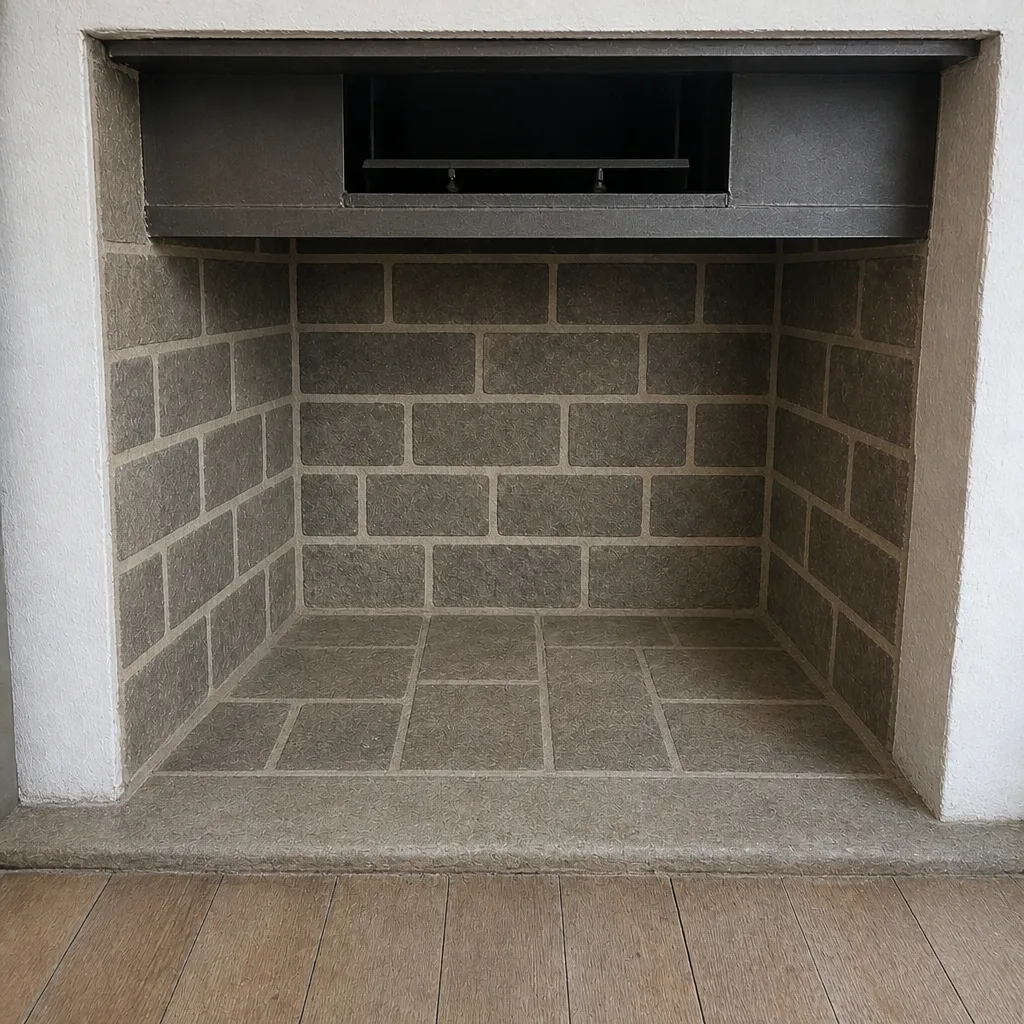
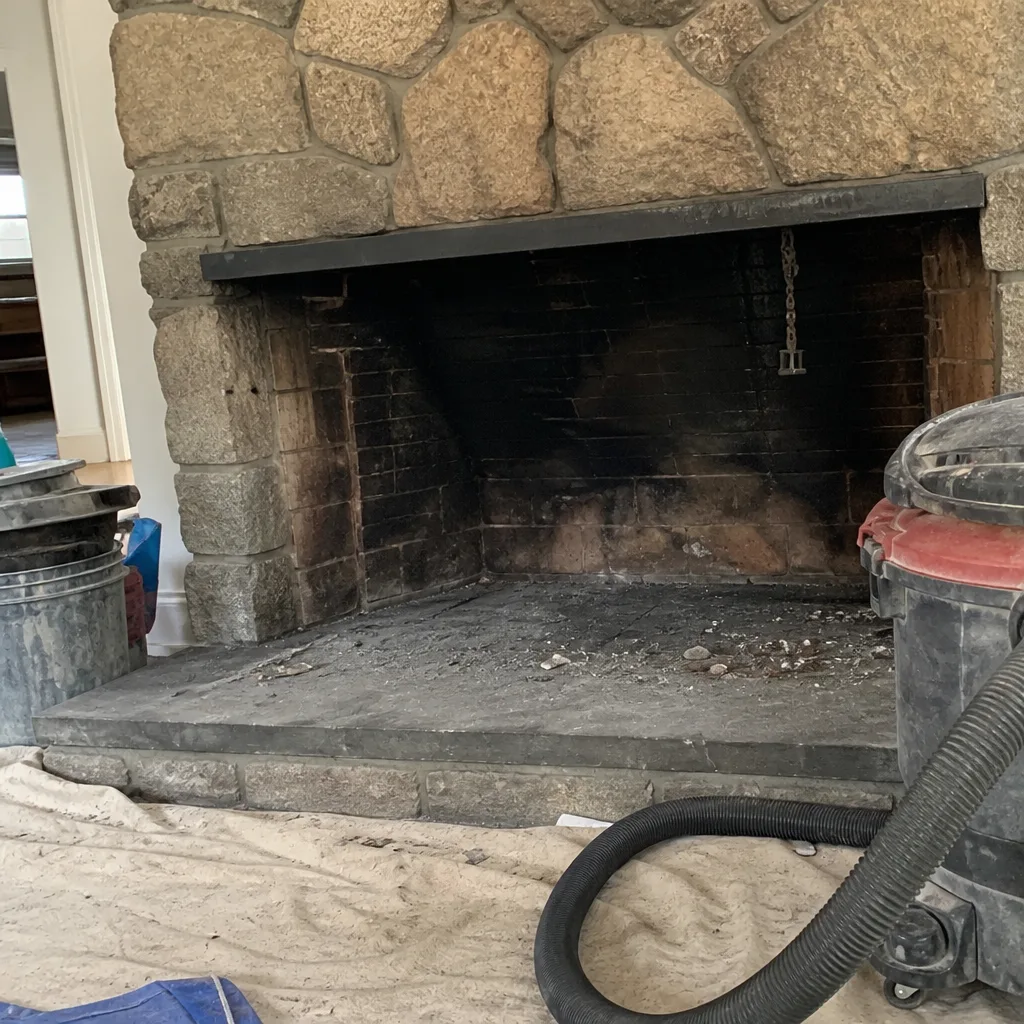
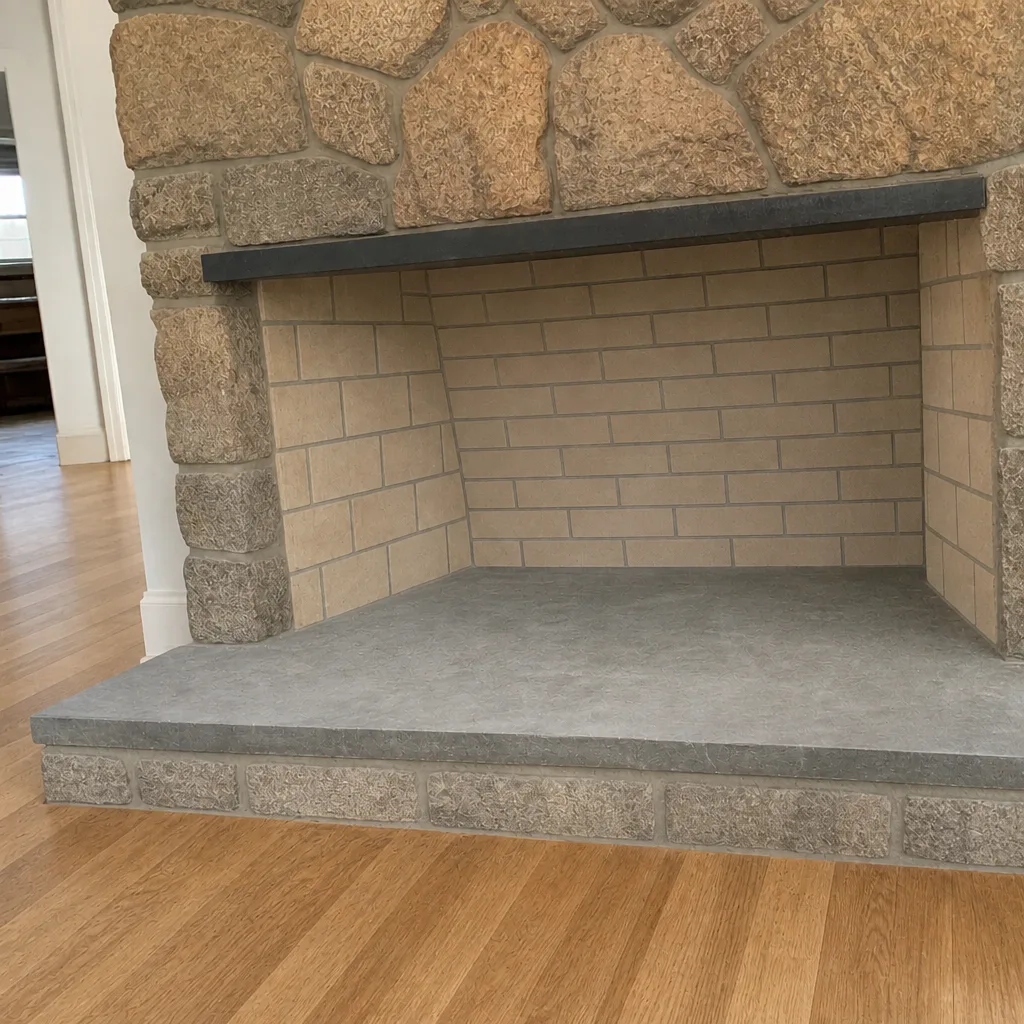
See the difference
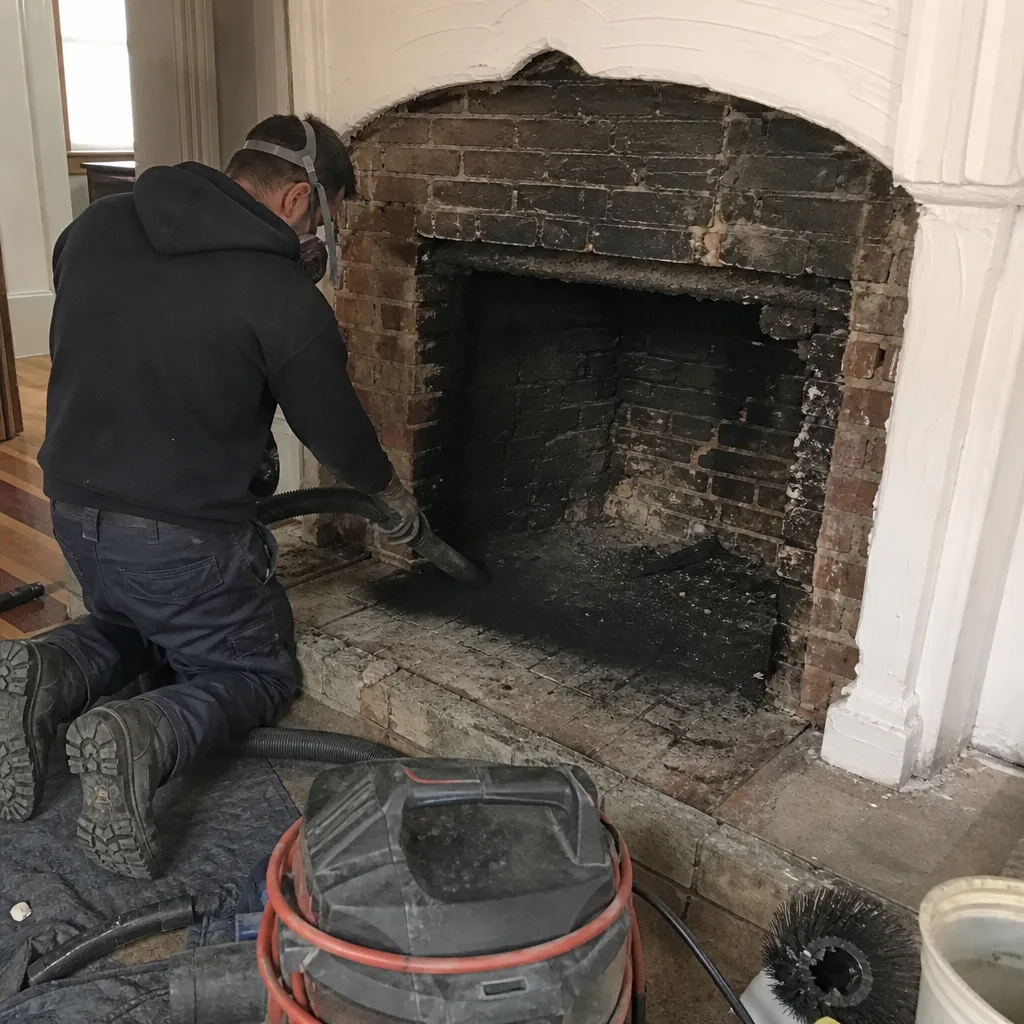 Before
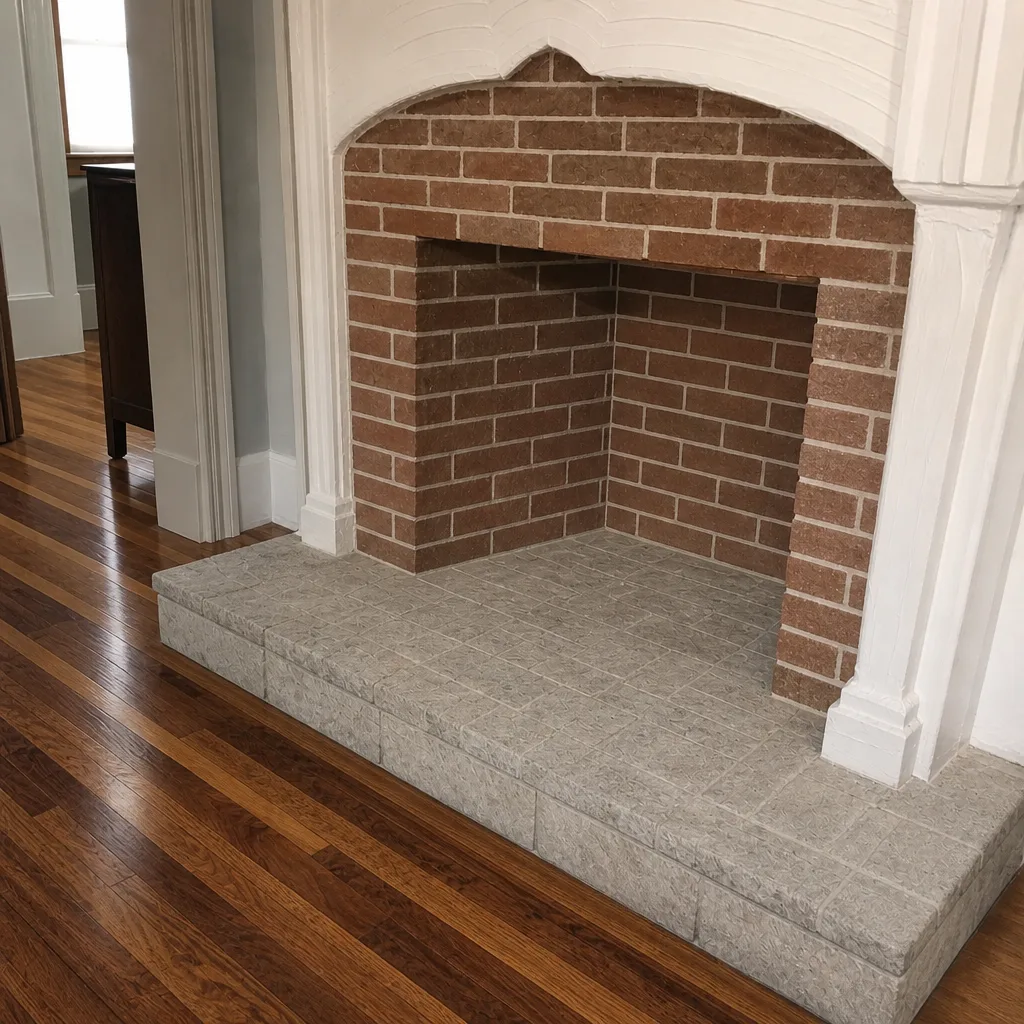 After
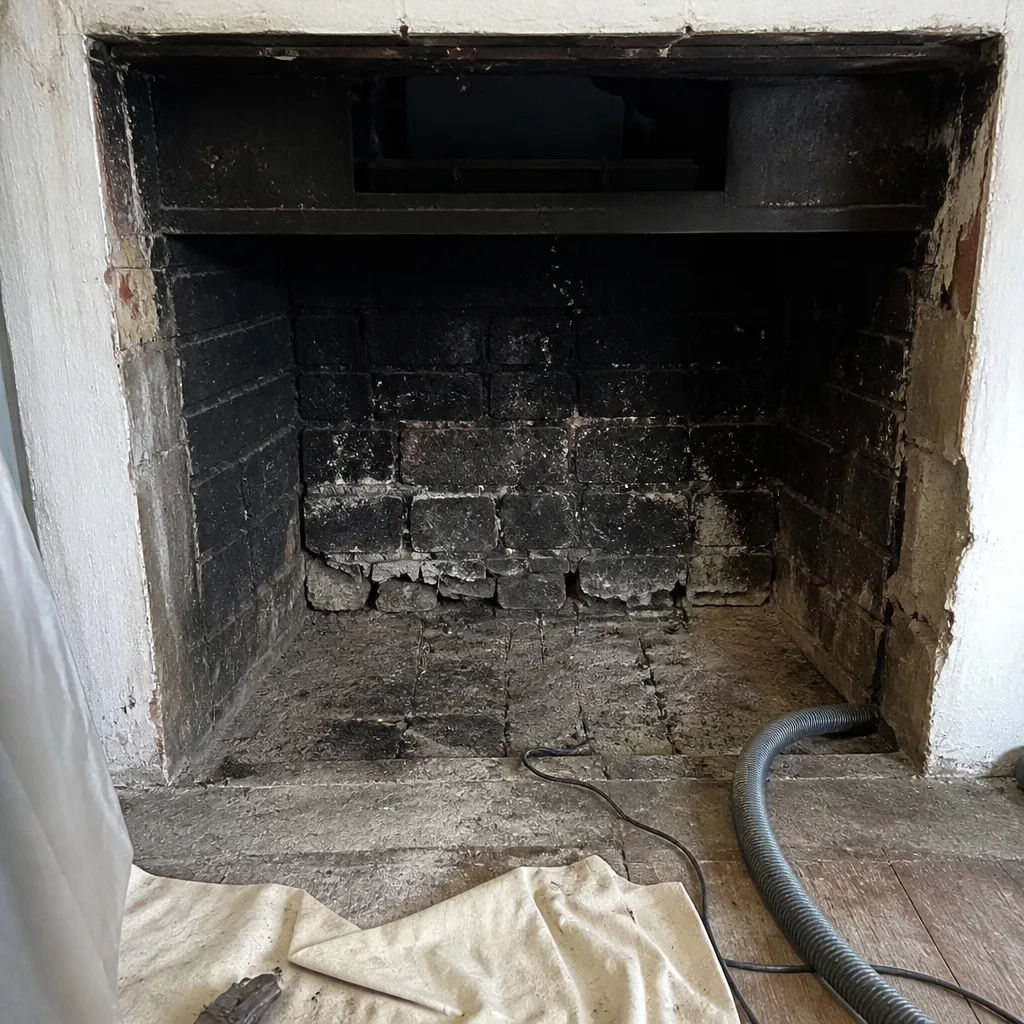 Before
 After
 Before
 After
When to Call a Professional
Call for anything you’re unsure about, and call without hesitation if you notice smoke backing into the room, a strong creosote odor, visible cracking on the exterior, or any change in how the fireplace drafts. Those are signs that something inside the system has shifted, and a camera inspection will find it. Call if it’s been more than a season since your last sweep and you burn regularly. Call before a real estate transaction if the chimney needs a documented inspection. Call if you’re in an older South Beach home and you’ve never had the liner inspected. And call for anything beyond ash removal and a ground-level look, because the diagnostic layer is the whole point. Chimney Sweep South Beach offers free estimates in South Beach. Call (833) 508-9938. We answer 24/7. Fast dispatch from 7am to 7pm, Sunday through Friday.
Frequently Asked Questions
Yes, for surface tasks like ash removal and ground-level visual checks, but not for the flue sweep itself or for any inspection of the liner. Roof access is a fall risk, and you cannot see inside the flue without a camera. The cleaning is not the dangerous part; the unknowable condition of the liner is.
Professional chimney sweeping in South Beach is priced per job based on the size of the flue, the amount of buildup, and whether an inspection is included, all confirmed in a written estimate before any work begins. The estimate is free, so it costs nothing to find out your exact number. Call (833) 508-9938 for an exact quote.
A sweep alone is not enough whenever you don’t already know your liner’s condition, and that’s most homes in older South Beach housing stock. A Level 2 inspection with a camera covers what a sweep cannot see: cracks, offsets, and deterioration hidden inside the flue. It’s also the standard for real estate transactions and insurance documentation. Call (833) 508-9938 to book one.
How often depends on how much you burn, not on a fixed calendar. A homeowner who burns frequently through a cold winter may need more frequent sweeping than the once-a-year rule of thumb; someone who burns occasionally may need less. Book a sweep when buildup is measurable, and let the inspection confirm the condition. Call (833) 508-9938 for an exact quote.
Skipping it means creosote accumulates unchecked and the liner’s condition goes undocumented. Creosote at the glazed stage is highly flammable, and a cracked or deteriorated liner can let smoke and carbon monoxide into your home. Both risks are invisible from the firebox. Call (833) 508-9938 for an exact quote before the next burn season.
Yes, and you should. Ash removal, ground-level visual checks of the cap, and moisture monitoring are all sensible between visits. What you should not do is attempt the flue sweep or any repair work. Those need equipment, training, and proper materials. Our technicians have up to 14 years of experience with the systems we service.
The Bottom Line
The DIY vs. professional chimney cleaning decision looks like a question about brushwork. It isn’t. It’s a question about whether you can diagnose your chimney’s condition, and for the vast majority of South Beach homeowners, the answer is no: not without a liner camera, a trained eye, and a documented service record. Homeowner maintenance has a real place, and it’s worth doing well. But the flue sweep, the inspection, and every repair belong in professional hands. That’s especially true in South Beach, where older housing stock and exterior masonry wear raise the stakes. Safe to burn; that’s the standard every visit is held to. When you’re ready to know exactly what condition your chimney is in, we’re here to find it and, if needed, fix it. Call (833) 508-9938 for a free estimate. We answer 24/7. Fast dispatch from 7am to 7pm, Sunday through Friday. You can also start with an overview of Chimney Sweep South Beach.
Written by the team at Chimney Sweep South Beach.